

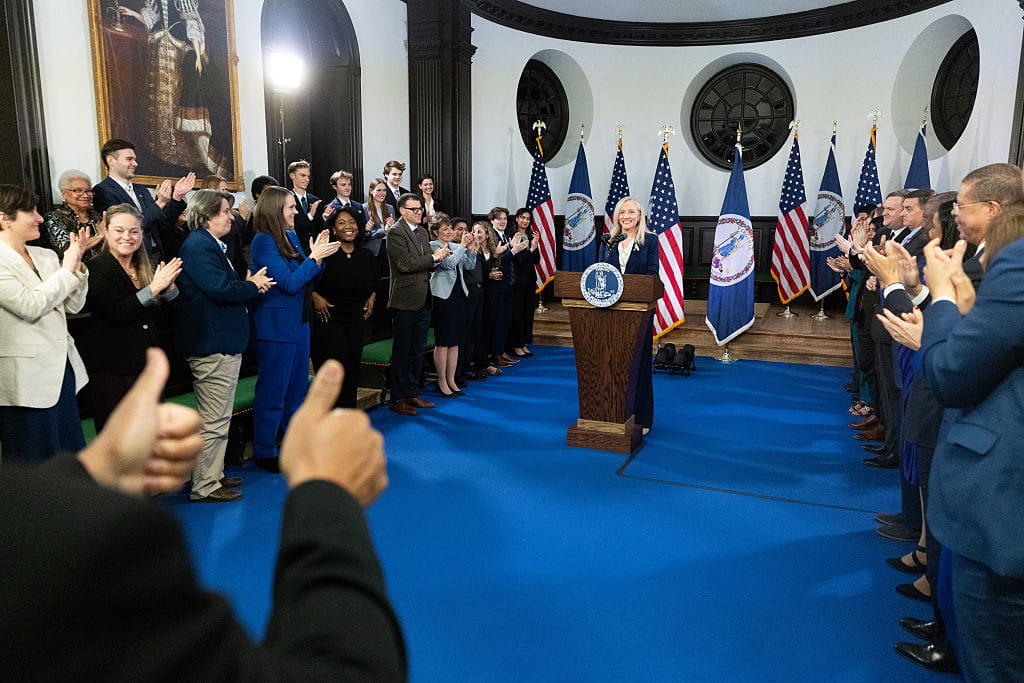
Virginia’s new Democratic trifecta sets the stage for significant changes to gun policy after a period when Republican leadership repeatedly blocked new measures.
Virginia flipped control of the governorship and both legislative chambers, creating unified Democratic power in the state. That shift follows a stretch in which Republican Governor Glenn Youngkin repeatedly used vetoes to stop many gun-control proposals. Now that Youngkin is out of the governor’s office, the political terrain looks very different for Second Amendment issues.
Unified party control matters because it removes the single most immediate barrier to passing bills. With a governor aligned with the legislature, proposals that stalled before can move quickly through committees and onto the floor. Expect lawmakers to prioritize measures that had been rejected or watered down in prior sessions.
The types of proposals likely to resurface are familiar: expanded background checks, red flag style measures, limits on certain firearms or accessories, and rules around storage and transfer. Supporters will argue these steps are about public safety and reducing violence. Critics will see them as steady erosion of constitutional rights and individual responsibility.
From a Republican viewpoint, the core worry is that policy will shift faster than debate can keep up and that rights will be constrained by broad, one-size-fits-all rules. The argument is not against safety; it is about preserving constitutional guarantees and protecting law-abiding gun owners. That tension will be the political fault line in Richmond.
Youngkin’s pattern of vetoing gun-control bills after Democrats took both chambers in 2023 slowed the legislature’s momentum, and those vetoes shaped expectations over the last few years. With the veto shield gone, advocates who spent sessions drafting compromises are ready to push again. The legislature can now pass measures without the same negotiating pressure from the governor’s office.
Practical impacts would ripple to gun owners and local law enforcement if new restrictions pass. Requirements for storage, expanded permitting, or stricter transfer rules would change everyday routines for many residents. Local sheriffs and prosecutors will be left to implement laws and may react differently depending on their own policy views and resource constraints.
Legal pushback is also likely to follow quickly. Any major changes that touch on weapon types, definitions, or rights will draw constitutional challenges. Expect state and federal court battles that could tie up implementation for years and create uncertainty for citizens subject to new rules.
Politically, this shift will energize both sides. Democrats will claim legislative success for addressing public safety, while Republicans will rally around defending the Second Amendment and criticizing what they will call legislative overreach. That dynamic will affect campaigns and turnout in upcoming statewide and local races.
Lawmakers will face detailed technical choices that matter as much as headline policy. How broadly a red flag law is written, what background-check systems are used, and which exemptions exist for certain classes of people or transactions will define real-world outcomes. Those drafting the bills will try to balance political goals, enforcement practicality, and legal defensibility.
For gun owners, the immediate task is to follow proposed language closely and understand which day-to-day habits could change if a bill becomes law. For county officials and police chiefs, the task is planning enforcement and training within budget limits. Those operational questions are where law meets life and where policy friction will show up first.
In short, the new Democratic trifecta in Virginia opens a pathway for gun-policy changes that were repeatedly blocked under Republican executive leadership. The result will be lawmaking, legal fights, political fallout, and practical adjustments across the state. How quickly and how far those changes go depends on the bills lawmakers choose and the court challenges that follow.

