

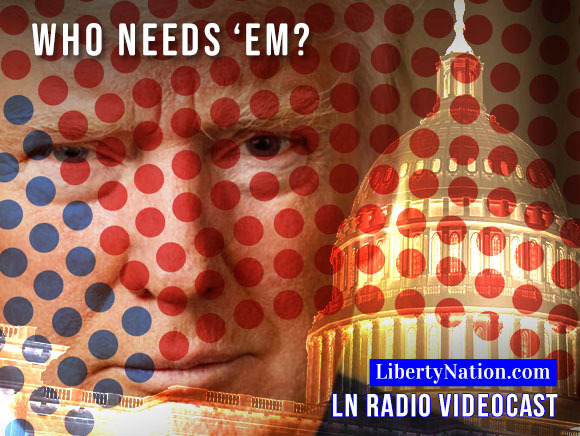
If the last two years are any indication, the president might not need much support from Congress after the midterms.
The last two years have shown a White House eager to govern by fiat, reshaping policy without the messy business of building bipartisan majorities. That trend matters because it changes how Washington actually works: power moves from Capitol Hill to agencies and presidential directives. For those who care about limited government and constitutional checks, that shift should be concerning and worthy of scrutiny.
Presidents of both parties have long used executive orders and regulatory guidance, but recent administrations have pushed that toolbox farther. Agencies now write rules that look like laws, enforcement priorities are set by memos, and major policy choices are made in bureaucratic back rooms. When the president treats agencies as lawmakers, Congress loses its constitutional role as the primary policy-making body.
One big reason the White House can act without Congress is control over appointments and the bureaucracy. Loyal political appointees steer agency interpretations, and career staff often follow the latest tone from the top. That means a president can achieve sweeping change by staffing agencies with allies and reinterpreting statutes to fit an agenda.
The courts have become another battleground, with judges often asked to police or bless executive overreach. Strategic litigation and selective enforcement can keep contested policies alive until the judiciary rules. That legal tug-of-war creates a reality where the executive branch functions as both policymaker and enforcer for long stretches.
Budgetary pressure also plays a role, because when Congress refuses to act, the administration can redirect funds or use emergency declarations to bypass appropriations. Those maneuvers stretch the budget process beyond its intended limits and let presidents fund priorities without votes. For anyone concerned about fiscal responsibility, that is a worrying erosion of the power of the purse.
National security and public health have become routine justifications for expansive executive power, even when threats are unclear or intermittent. Labeling something an emergency can open a shortcut to action, and administrations have repeatedly leaned on that authority. The pattern is predictable: broad claims, rapid action, and later debate about whether the Constitution or the statutes actually allowed it.
Partisan polarization in the House and Senate compounds these problems, because gridlock makes executive shortcuts politically tempting. When Congress is paralyzed, the president faces fewer incentives to build coalitions and more incentives to act unilaterally. That translates into a permanent temptation to govern by proclamation instead of persuasion.
Some will argue that energetic leadership is necessary to break logjams and deliver results, but energy without restraint risks permanent changes to separation of powers. The framers expected compromise, debate, and lawmaking through elected representatives, not unilateral rule by the executive. Allowing unilateral action to become the new normal diminishes accountability and concentrates power in one office.
Fixes exist, but they require Congress to reclaim its duties and for courts to enforce limits consistently. Legislatures can tighten statutory grants that agencies exploit, pass clearer rules on emergencies, and restore appropriations oversight. Without those steps, the pattern will likely continue and future presidents will have even more latitude to act without legislative backing.
Voters should keep this dynamic in mind when considering the balance of power they want in Washington. The character of government is shaped not only by elections but by how leaders choose to exercise authority once in office. If the goal is to preserve constitutional government, the trend toward executive-first policymaking deserves careful attention rather than casual acceptance.

