

Tehran lashed out across the Middle East again Sunday, launching four ballistic missiles and six drone attacks against the United Arab Emirates and striking Israel, Iraq and other U.S. allies. The strikes underline a dangerous pattern of escalation that threatens regional stability and American interests. This piece lays out what happened, why it matters, and what a firm, practical response should look like.
Tehran lashed out across the Middle East again Sunday, launching four ballistic missiles and six drone attacks against the United Arab Emirates and striking Israel, Iraq and other U.S. allies. Those numbers are plain and serious: ballistic missiles plus coordinated drones aimed at multiple partners. This is not a localized skirmish; it is a deliberate, multi-theater campaign that tests the limits of deterrence.
From a Republican perspective, that test demands clarity and strength, not ambiguity. When Iran uses proxies and stand-alone strikes to pressure regional states, the response should protect U.S. forces and partners and raise the cost for Tehran. Soft rhetoric and slow, half-measures invite more provocations and put American lives and interests at risk.
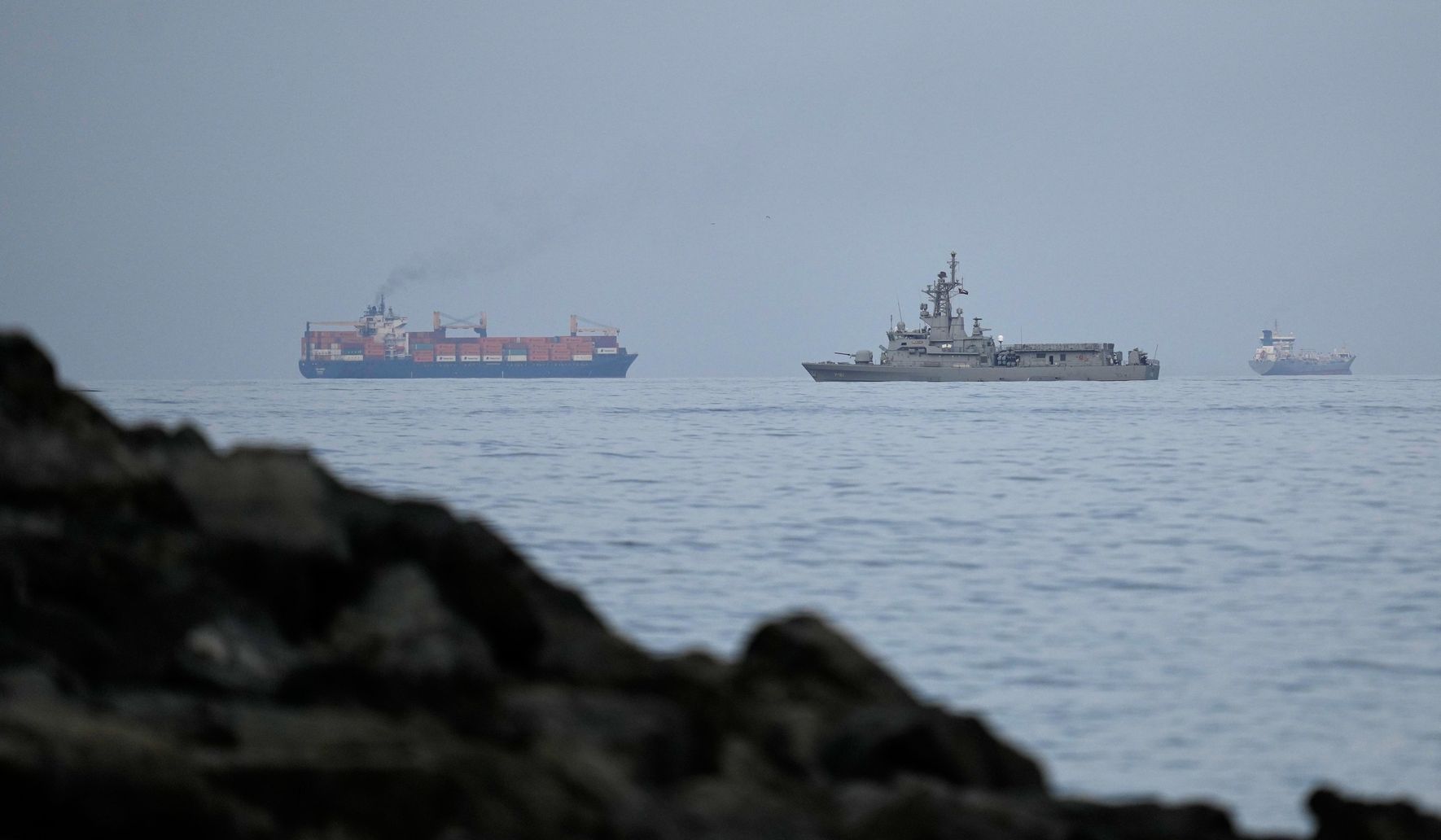
The practical consequences are immediate: threatened shipping lanes, higher insurance and fuel costs, and increased danger for American troops and diplomats serving overseas. Energy markets respond to instability, and allies like the UAE and Israel deserve concrete security guarantees, not just words. A credible defense posture requires better missile defenses, stronger sanctions and closer coordination with regional partners.
Deterrence has two parts: capability and will. The United States must demonstrate both by improving defensive systems and by signaling clear consequences for future attacks. That means preparing proportionate military options, accelerating aid to hardened air defenses, and ensuring rapid intelligence sharing so partners can act decisively. Showing resolve prevents escalation by convincing Tehran that aggression hurts them more than it helps.
Diplomacy still has a role, but it cannot be a cover for weakness. Negotiations should come from a position of strength, not appeasement, and any diplomatic track must be backed by unambiguous penalties for transgressions. Republicans argue that lasting stability flows from deterrence and accountability, not concessions that reward bad behavior. Regional security relies on predictable consequences for unacceptable actions.
At home, leadership matters. Congress should be engaged to authorize measures that protect troops and allies and to impose tougher sanctions that choke the financing of proxies and weapons programs. A clear framework of legal and fiscal tools empowers the administration to act quickly while keeping the public informed and representatives accountable. Bipartisan support for robust deterrence is both possible and necessary when American lives and strategic interests are on the line.
There is risk in every path forward, including the danger of unintended escalation, so responses must be calibrated and targeted. Surgical strikes against clear military infrastructure, stronger defenses for partner countries, and stepped-up cyber measures against malign networks are tools that minimize civilian harm while degrading Tehran’s capacity to strike. The goal should be to restore deterrence, protect allies and buy space for diplomatic pressure that actually produces results.
States in the region will read our moves closely, and allies need to see that the United States stands with them. That credibility is built through actions that match our words: supply air defenses, share intelligence, impose smart economic pressure and, when necessary, take limited military steps to disrupt future attacks. In short, policy should be pragmatic, forceful and aimed at long-term stability rather than short-term optics.

