

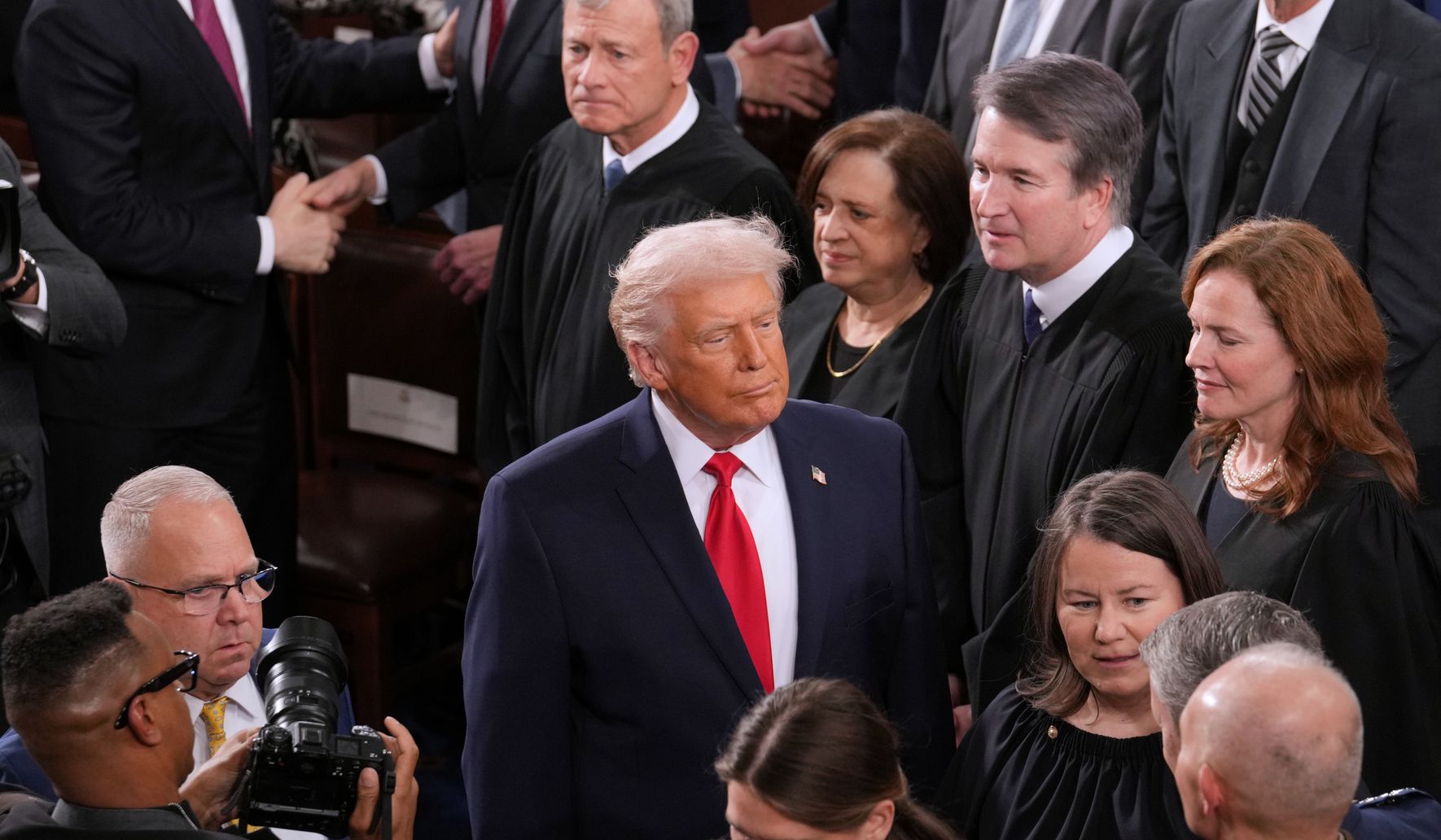
President Trump has been openly criticizing federal courts and some Supreme Court justices he appointed, saying they have disappointed expectations and limited his administration’s actions; this piece examines the tensions, why they matter to conservatives, and how the dispute is shaping political and legal strategy.
There is a clear strain of frustration coming from the former president toward the federal judiciary, and it is not subtle. He expected judges he nominated to align with a more assertive conservative approach, and when rulings went against his administration or allies he made that disappointment public. This public airing reflects a deeper debate about what conservative judges should do once seated.
For many Republicans the core issue is fidelity to the text and original meaning of the Constitution, not policymaking from the bench. When judges issue broad injunctions or block policies on procedural grounds that seem inconsistent with precedent, it feeds a sense that courts are overstepping. That worry is amplified when conservative appointees join opinions that frustrate the outcomes supporters expect.
Public trust in the judiciary is a political resource, and charging judges with activism is a tactic that resonates with voters who feel their priorities are being ignored. Trump’s comments are aimed at energizing that base by painting the judicial branch as part of the problem. For conservatives who backed his nominees, the sentiment is simple: confirmation wins should translate into decisions that respect elected authority.
Legal conservatives argue judges should exercise restraint and leave policy disputes to Congress and the president. When the courts step in and rewrite policy boundaries, the result can feel like a veto by unelected officials. That tension plays out in high-profile disputes over immigration, executive power, and regulatory limits.
Part of the frustration arises from the difference between a campaign promise and the granular reality of cases. Nominees pledge certain philosophies, but individual facts and precedents shape rulings in ways that may surprise backers. Still, the expectation that appointees will broadly advance a conservative legal framework remains central to Republican strategy.
Another layer is the optics of split decisions or unexpected concurrences on the Supreme Court, which can undercut momentum for conservative priorities. Those moments get national attention and shape narratives heading into elections. For elected officials and activists, a single swing vote can change policy trajectories for years.
Pushback from the right includes calls for clearer judicial commitments and more focus on judicial temperament during confirmations. Some conservatives now emphasize not just a nominee’s legal philosophy but how reliably they can be expected to apply it. That shift changes how future candidates are evaluated and how confirmation fights are framed.
There are institutional responses available beyond rhetoric. Congress can pursue statutory clarifications, change jurisdictional rules, or alter procedural standards to limit disruptive rulings. Those measures are complex and politically fraught, but they reflect a willingness among some Republicans to use the legislative branch to check the courts.
Meanwhile, the messaging battle continues in public and on social media, where criticisms of judges can mobilize supporters and shape narratives about accountability. For a base that prizes results, visible disappointment from its leaders sends a clear signal: judicial appointments matter, but they are not guaranteed to deliver on every expectation. That reality fuels ongoing debates about strategy and priorities.
At its core this is a clash over who gets the final say on major policy questions—the people through their representatives or judges through interpretation. Conservatives who back Trump see his frankness about the courts as a push for clearer commitment to judicial restraint. The dispute is unlikely to fade quickly because it ties into larger fights over power, precedent, and the role of courts in American life.
The coming months will test whether the Republican approach shifts toward institutional fixes, louder public pressure, or a mix of both. Whatever path is chosen, the conversation around judges and their decisions will remain central to conservative politics, shaping both legal strategy and electoral calculations.

