

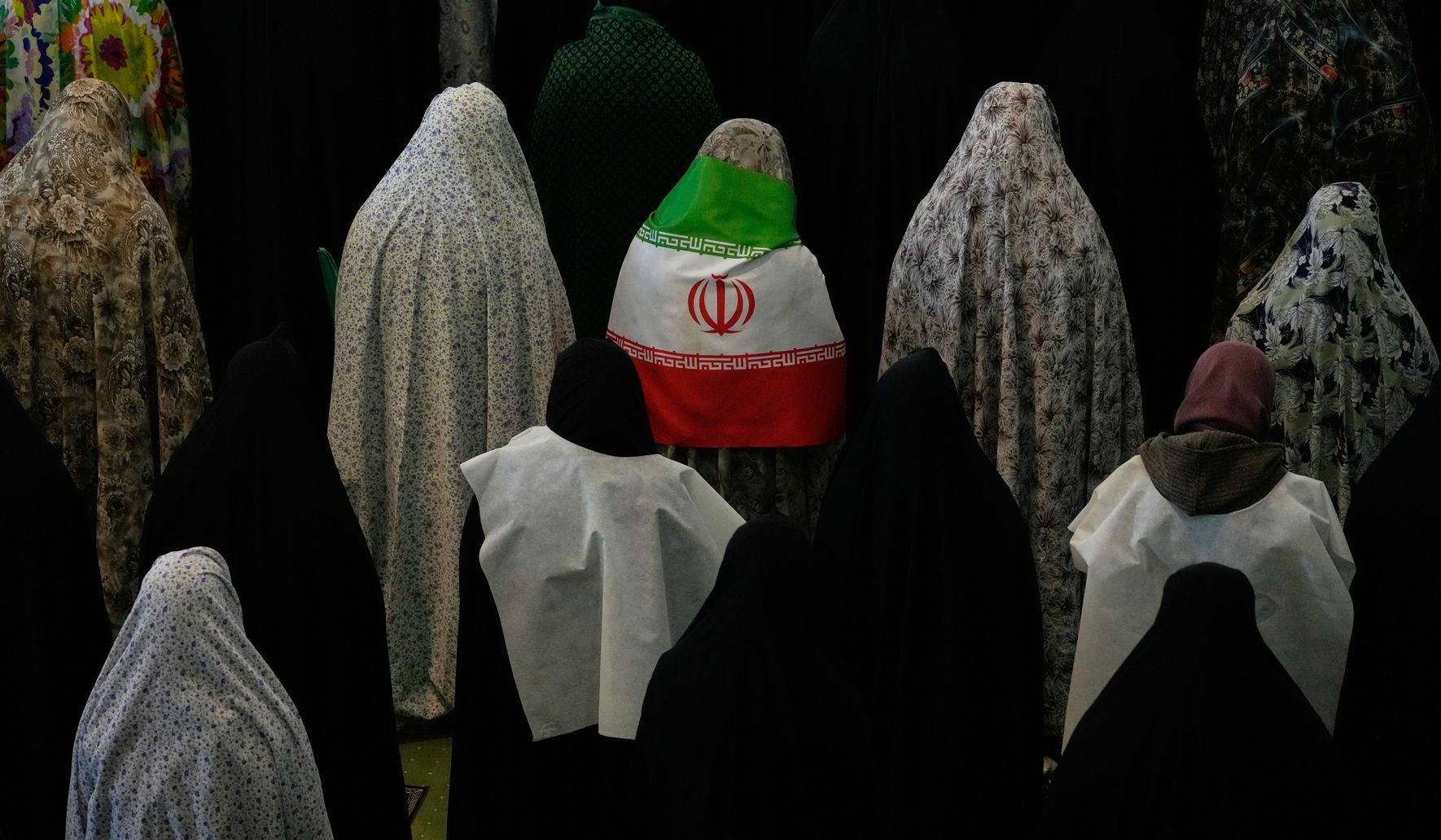
Iran struck a joint U.K.-U.S. military base in the Indian Ocean and its primary nuclear enrichment site was hit again as fighting in the Middle East reached its fourth week.
Iran’s recent strikes against a joint U.K.-U.S. base in the Indian Ocean mark a dangerous escalation that coincides with renewed damage at its main nuclear enrichment site. The situation unfolded as the conflict in the Middle East entered its fourth week, keeping global security on edge. This pattern of attacks and counterattacks is now testing allied resolve and U.S. readiness in a serious way.
For Republicans, this is straightforward: Iran is choosing aggression and must face consequences that protect American lives and interests. When a hostile state targets U.S. and allied forces, policymakers should respond in a way that is clear, effective, and sustained. That means using the full range of diplomatic, economic, and military tools to deter future strikes without inviting needless ground entanglement.
The strike on the joint base in the Indian Ocean is notable both for its location and its symbolism, showing Iran can project force beyond its immediate neighborhood. Attacks on international waters and allied facilities risk widening the conflict, drawing partners into a showdown they did not seek. Allies like the U.K. deserve firm backing when their forces are threatened alongside American personnel.
The reported hit at Iran’s main nuclear enrichment site raises additional alarms about proliferation and regional instability. Any damage to nuclear infrastructure carries the risk of miscalculation, domestic unrest in Iran, or further clandestine moves by Tehran to accelerate its program. Keeping the nuclear question contained requires both pressure and credible deterrence from the United States and its partners.
On defense posture, the United States must be ready to protect its personnel and sea lanes, and that readiness must be visible. Patrols, force posture adjustments, and clear rules of engagement can deter opportunistic strikes without escalating to large-scale war. The objective is to make aggression costly for Iran while preserving the ability to de-escalate if Tehran steps back.
Economic measures also matter. Targeted sanctions that hit the regime’s networks and financial lifelines can squeeze Tehran where leadership feels real pain. At the same time, sanctions should be designed to spare ordinary Iranians from added suffering and to preserve options for diplomatic pressure. The goal is coercion, not revenge, to change behavior in measurable ways.
Alliances and international law should frame the response, but alliance action requires clarity of purpose and shared burden. The U.K.-U.S. partnership needs quick coordination on maritime security, intelligence sharing, and diplomatic messaging to prevent divides that Iran could exploit. When allies move together with resolve, adversaries find it harder to pick off partners or bluff their way into gains.
Inside the United States, political leaders must avoid hollow rhetoric and instead set realistic, limited objectives that protect national interests. Vague promises or open-ended commitments risk trapping the country into missions without clear exit strategies. Leadership should prioritize force protection, deterrence, and selective punitive measures rather than nation-building or open-ended occupation.
Strategic communication is another front in this fight; people at home and abroad need truth and clarity about what actions are being taken and why. Communicating the risks and the limits of U.S. engagement helps maintain domestic support and keeps allies aligned. At the same time, misinformation and emotional posturing only play into Tehran’s hands by muddling public expectations.
Finally, policymakers should prepare for contingencies while keeping diplomatic doors available to reduce tensions if Iran shows willingness to de-escalate. Military readiness combined with coherent sanctions and sustained diplomatic pressure presents the clearest path to defending American interests. The coming days will test whether leaders choose containment and forceful deterrence or allow a regional flare-up to become a wider war.

