

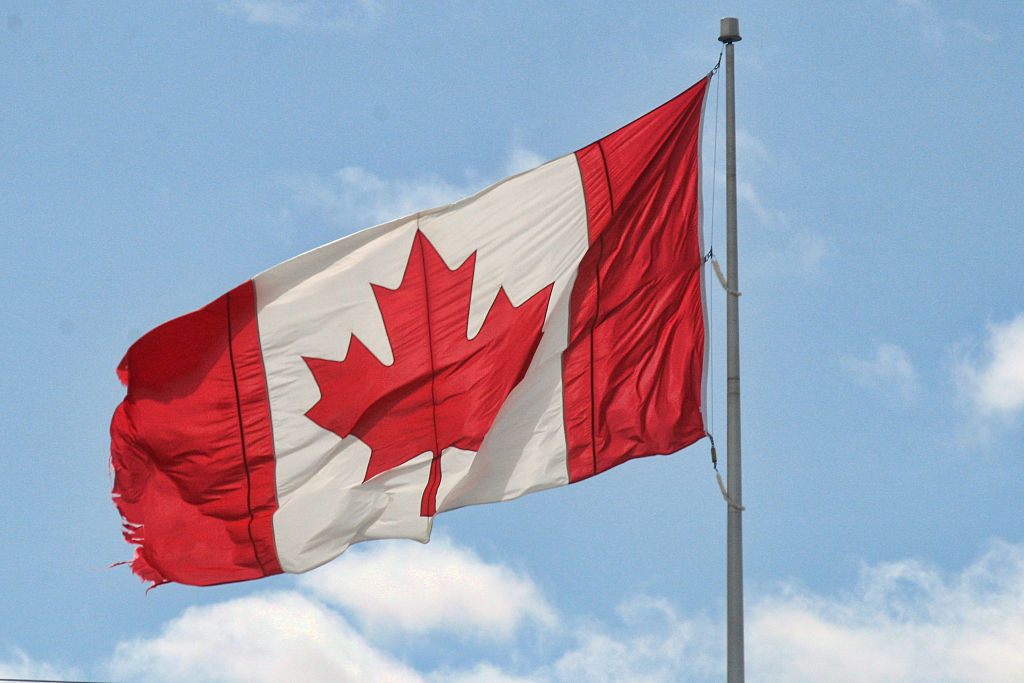
One year on from President Trump’s “51st state” line, Canadian politics and cross-border relations remain charged, with Ottawa’s sharp response and a revival of Liberal momentum reshaping the conversation on sovereignty, trade, and national pride.
It has been a year and change since President Donald Trump’s “51st state” quips that angered 40 million Canadians and helped spur the return of a Liberal government. Prime Minister Mark Carney declared that it was time to “elbows up” and push back against Trump’s rhetoric and reaffirm the independence of Canada. Ottawa imposed retaliatory measures and staged a diplomatic response that signaled to voters it would not be pushed around.
That reaction mattered at the ballot box because it let political leaders cast the dispute as a defense of national dignity and economic interests. Canadian politicians of various stripes used the moment to rally support, framing Washington’s language as evidence of bullying and foreign interference in domestic affairs. For many voters, the tone coming from Ottawa felt like a necessary line in the sand.
From a U.S. conservative perspective, President Trump’s blunt style cut through polite diplomacy and exposed long-simmering disagreements that elected leaders seldom address outright. Calling out policy differences and trade imbalances was part of a broader push to renegotiate how North America conducts business. Supporters of that approach argue it forced uncomfortable but necessary conversations about tariffs, regulatory burdens, and immigration enforcement.
On the economic front, tensions translated into a series of trade skirmishes and bargaining moments that affected exporters, supply chains, and energy projects. Businesses on both sides of the border felt the uncertainty, and industries tied to cross-border supply chains recalibrated expectations about investment and timelines. Even when governments talked about cooperation, the public display of friction made private negotiations more politically fraught.
The border itself stayed functional, but the politics surrounding it grew more charged, with tougher rhetoric complicating any quick fixes. Security, customs processing, and legal trade continued, yet the perception of instability mattered for companies planning long-term projects. Voters in border communities watched closely, weighing everyday economic reality against the symbolic politics playing out in capitals.
Media coverage amplified the story, turning a few pointed lines into a sustained national debate on identity and respect. Canadian outlets emphasized injury and offense, while many American outlets framed the episode as a predictable clash between two neighbors who still share deep ties. That split in narratives hardened positions on both sides and made compromise politically costly for leaders who feared appearing weak.
There are practical consequences beyond headlines: policy shifts get reviewed, procurement and regulation are re-examined, and diplomats work overtime to keep channels open. At the same time, the political theater surrounding the episode has created an incentive for leaders to posture rather than resolve, using strong language to shore up domestic support. The result is a delicate balancing act between defending national interest and preserving long-term partnership.
Looking at the year since those remarks, it’s clear the episode left a mark beyond a few sound bites: it altered campaign talking points, refocused trade debates, and hardened political narratives. The “51st state” line and the “elbows up” reply are now part of a larger story about who speaks for their country and how much blunt truth is acceptable in diplomacy. Whatever comes next, both capitals will have to manage the fallout while keeping commerce and security moving forward.

