

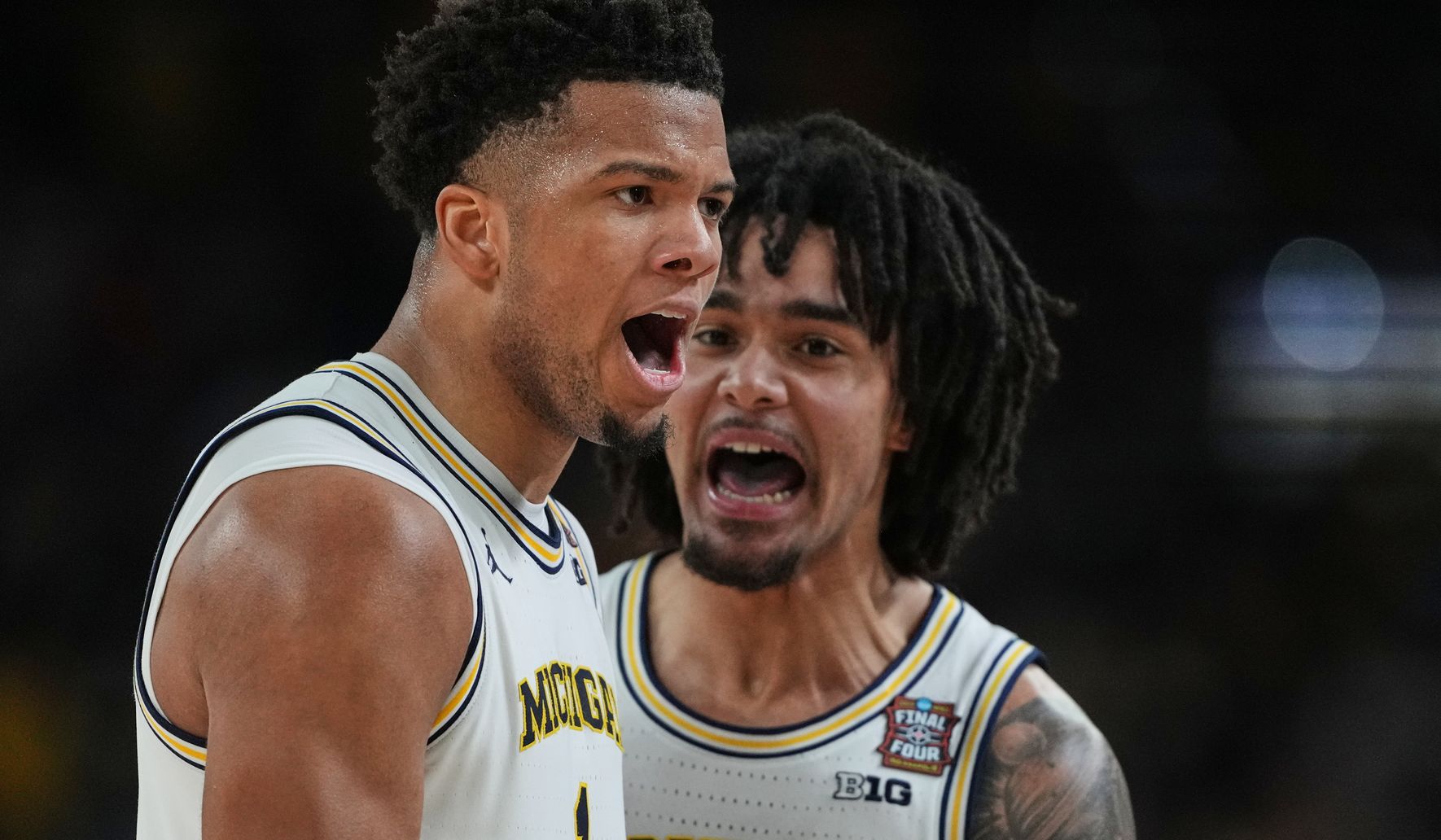
Michigan takes a hard-fought national title with a gritty finish and key late stops.
The final felt like a throwback battle where defense and poise mattered as much as scoring. Both teams traded runs, but Michigan steadied itself when it counted and closed the game under pressure. Fans saw a close, physical contest that hinged on execution in the final minutes.
Michigan wins its second national title in men’s basketball and first since 1989, beating UConn 69-63. That line sums up the outcome, but it doesn’t capture how tense the closing minutes were or how much margin for error both teams had. The final six points came amid frantic possessions and a few critical rebounds.
Michigan’s defense tightened in the second half and forced contested looks at the rim, turning stops into transition chances. Their bench contributions and timely fouls kept UConn from finding a comfortable rhythm on offense. When key shots didn’t fall, Michigan made the extra plays that mattered most.
UConn battled all night and showed why they were in the title conversation, pushing Michigan to the limit with smart movement and deliberate sets. They landed several momentum-shifting baskets in the first half and matched Michigan’s intensity through much of the second. A handful of missed free throws and a couple of late turnovers, however, swung the balance toward the Wolverines.
Coaching adjustments were obvious and decisive as the clock wound down, with Michigan tightening matchups and controlling the glass. That focus on fundamentals under pressure is what separated the teams late. The winning team executed cleaner in late-game sets and avoided a few of the common panics that can unravel a title bid.
Standout individual plays punctuated the night, but it was the collective effort that decided the result. Role players stepped up with rebounds, deflections, and hustle plays that do not always show up on the stat sheet. Those quieter contributions added up and created easier chances for the go-to scorers when they needed them.
The arena atmosphere swung multiple times, and the crowd felt every turnover and every offensive rebound. Neither side gave an inch, and that intensity produced a final stretch where each possession felt like a mini-final. That kind of pressure revealed which team could function with the clock against them.
Looking at the numbers, the difference came down to a few key metrics: second-chance points, free throw accuracy in the clutch, and defensive rebounds. Michigan edged UConn where it counted, turning marginal advantages into the kind of plays that decide championships. Those small edges are what separate a single game from a title-winning performance.
Postgame reactions highlighted the relief and elation of the winners and the quiet resolve of the runners-up. Players on both rosters acknowledged the physicality and the chess match that defined the contest. Coaching staffs from both sides earned praise for adjustments and for keeping their teams composed through a volatile finish.
In the end, the headline will record the score and the historic note, but the game itself will be remembered for the tense stretches, the defensive stands, and the late-game poise. Fans on both sides walked away knowing they witnessed a championship decided by the narrowest of margins. The details of the finish will be replayed, discussed, and dissected long after the final horn.

