

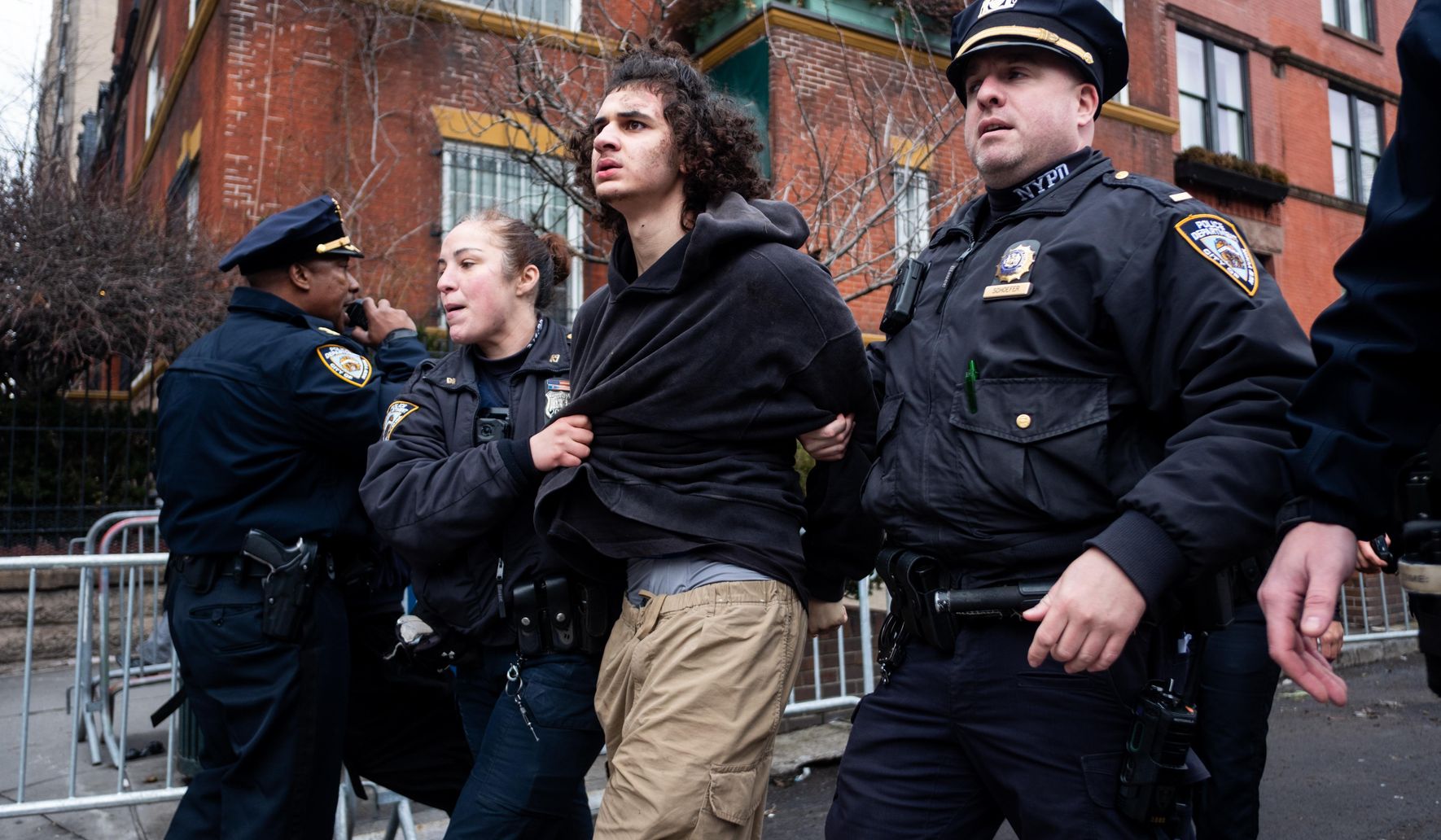
Two men pleaded not guilty Wednesday after authorities say they brought homemade bombs to an anti-Islam protest outside New York City’s mayor’s home in a failed attempt at a terror attack.
The courtroom was the next stop after a dramatic public incident that has people asking how protests turned into a criminal plot. The charges allege the pair brought homemade bombs to an anti-Islam protest outside New York City’s mayor’s home in a failed attempt at a terror attack, and both men pleaded not guilty Wednesday. That short sequence of events raises questions about motive, preparedness, and how the city responds when political demonstrations verge into violence.
Legal formalities followed quickly, with arraignment and pleas entered on the day the defendants appeared. Pleading not guilty signals that the case will move into the stages where prosecutors must present evidence and defense lawyers test it in court. For citizens watching from the sidelines, the process is a reminder that accusations do not equal conviction, but the severity of the alleged conduct keeps public attention fixed on the case.
There are hard public-safety issues at stake when homemade explosives are involved in a public demonstration. Even a failed device can cause panic, injuries, and long-lasting fear in neighborhoods and among residents who expect basic safety. Republicans argue that public safety must be paramount, especially when events target vulnerable communities or constitutional protections like freedom of religion get dragged into violent acts.
Political context matters here, because the scene centered on the mayor’s residence and an anti-Islam protest. Demonstrations are part of civic life, but when they attract people prepared to use violence, the rules of engagement change. Officials must balance civil liberties with enforcement, and citizens deserve clarity about who failed to prevent such escalation and what steps will stop it from happening again.
Investigators will focus on how the devices were made, who supplied materials, and whether the defendants acted alone or with encouragement from others. Those details will come out in discovery, hearings, and possibly a trial, where prosecutors will present forensic evidence and witness accounts. Defense teams will have opportunities to challenge methods and motives, and the legal back-and-forth will highlight how hard it can be to convert suspicion into a jury conviction.
From a policy perspective, Republicans often point to gaps in enforcement and accountability when violent plots surface in politically charged settings. The case will likely fuel calls for stronger local coordination with federal authorities and clearer protocols at protests near officials’ homes. Citizens and policymakers on the right will press for tougher preventive measures so that the next time a demonstration heats up, it does not become a life-or-death scene.
At the same time, courts exist to sort through competing narratives and evidence without political theatre dictating outcomes. That neutral process matters, because it preserves the rule of law even when emotions run high. Still, people will watch whether charges stick and whether prosecutors can prove intent tied to the alleged terror attempt beyond a reasonable doubt.
The criminal justice system also faces scrutiny over messaging and transparency after incidents like this. Officials must give the public enough information to remain safe without jeopardizing investigative leads or prejudicing a jury pool. If transparency is too thin, the vacuum gets filled by speculation and political spin, which hurts public trust across the board.
Neighbors and community leaders are left to reckon with how close the incident came to causing real harm and what it means for local cohesion. In neighborhoods near high-profile residences, residents expect clear, decisive action when threats appear. Republican commentary tends to push for swift accountability and thorough investigations to restore a sense of order and deter copycat schemes.
Looking ahead, the court timeline will shape the story: motions, discovery, and potentially trial dates will determine how long this remains front-page news. Meanwhile, discussions about protest safety, law enforcement readiness, and political rhetoric are not likely to fade. The alleged use of homemade bombs at a political protest raises hard questions that communities and leaders will have to answer through policy choices and legal outcomes.

