

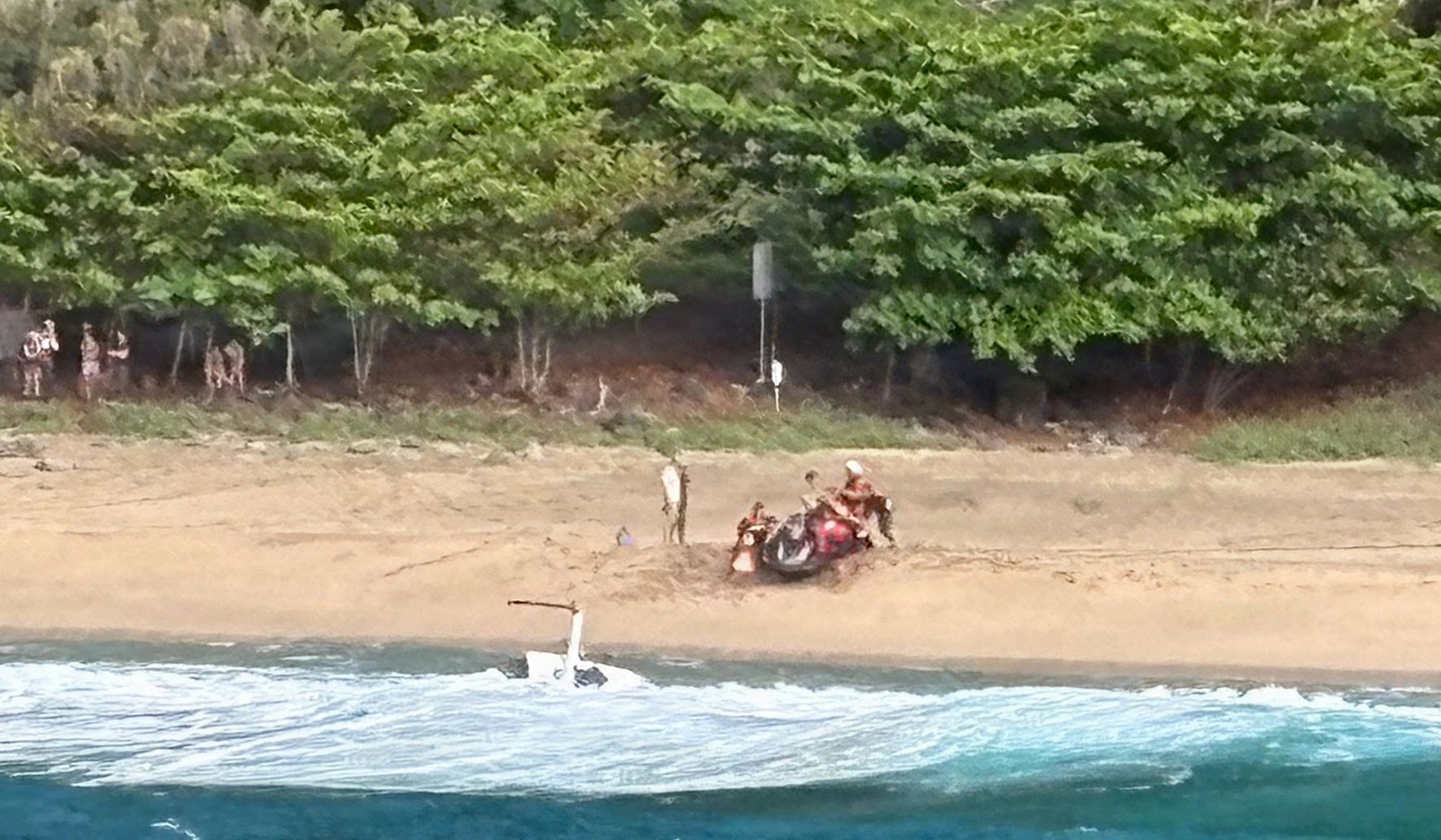
The pilot of a sightseeing helicopter off Kauai said the aircraft vibrated and spun before plunging, a crash that killed three passengers and prompted an ongoing investigation by federal and local authorities.
The pilot involved in the Kauai sightseeing crash told investigators the helicopter began to vibrate and spin before making a sudden descent. That flight, which took place last month off the Hawaiian island of Kauai, ended with the deaths of three passengers. Local emergency crews and investigators responded to the scene and recovered wreckage from the area.
Investigators are interviewing the pilot, reviewing flight records, and examining maintenance logs as part of the fact-finding process. Officials have not released a final determination of cause, and experts caution that these investigations often take months. Meanwhile, families of the victims are seeking answers and updates as the probe continues.
Tour helicopters operate in a challenging environment where weather, terrain, and mechanical issues can combine quickly. Pilots flying scenic routes over islands deal with shifting winds, thermal activity, and salt air that can affect aircraft performance. Regulators and operators point out that routine inspections and strict maintenance schedules are standard practice to manage those risks.
Witnesses on shore and other pilots in the area reported seeing the helicopter in distress before it descended, according to accounts given to authorities. Those firsthand observations are valuable because they can be matched with radar data, air traffic communications, and any onboard recordings. Investigators will use every available piece of data to reconstruct the sequence of events leading up to the crash.
Air safety investigators typically collect components from the wreckage to analyze engine function, rotor systems, and flight controls for signs of failure. They’ll also look at pilot training records and any recent maintenance work that could be relevant. The goal is to identify contributing factors so similar incidents can be prevented in the future.
Tour operators in Hawaii emphasize passenger safety with pre-flight briefings and adherence to FAA guidance, but public confidence can be shaken after a fatal accident. Industry leaders often review procedures after a crash to reassure customers and crews that safety is their top priority. In parallel, independent reviews by outside experts sometimes follow to provide an extra layer of scrutiny.
Local authorities coordinate with federal agencies during investigations, and that cooperation helps ensure evidence is preserved and analyzed properly. Police, emergency responders, and maritime teams handle on-scene recovery while aviation investigators focus on technical and human factors. This multi-agency approach is standard for aviation accidents involving public transport and tourist flights.
The families of the victims may have legal and insurance steps to pursue as details emerge, and they often rely on official reports to establish timelines and liability. Aviation crashes trigger a range of responses, including policy reviews by operators and discussions about regulation and oversight. For communities that depend on tourism, a single accident can prompt broader conversations about safety practices and economic impacts.
Officials have asked anyone with relevant photos, videos, or observations to share those materials with investigators to help complete the picture. Digital evidence from bystanders and nearby cameras can fill gaps that instruments or records alone might not cover. Investigators will catalog and analyze such material in context with technical findings.
As the probe moves forward, aviation authorities will issue preliminary and, later, final reports that outline factual findings and probable cause when determinable. Those reports can include safety recommendations intended to reduce the chance of recurrence. Until then, authorities urge restraint from speculation while stressing that the investigative process is thorough and methodical.

