

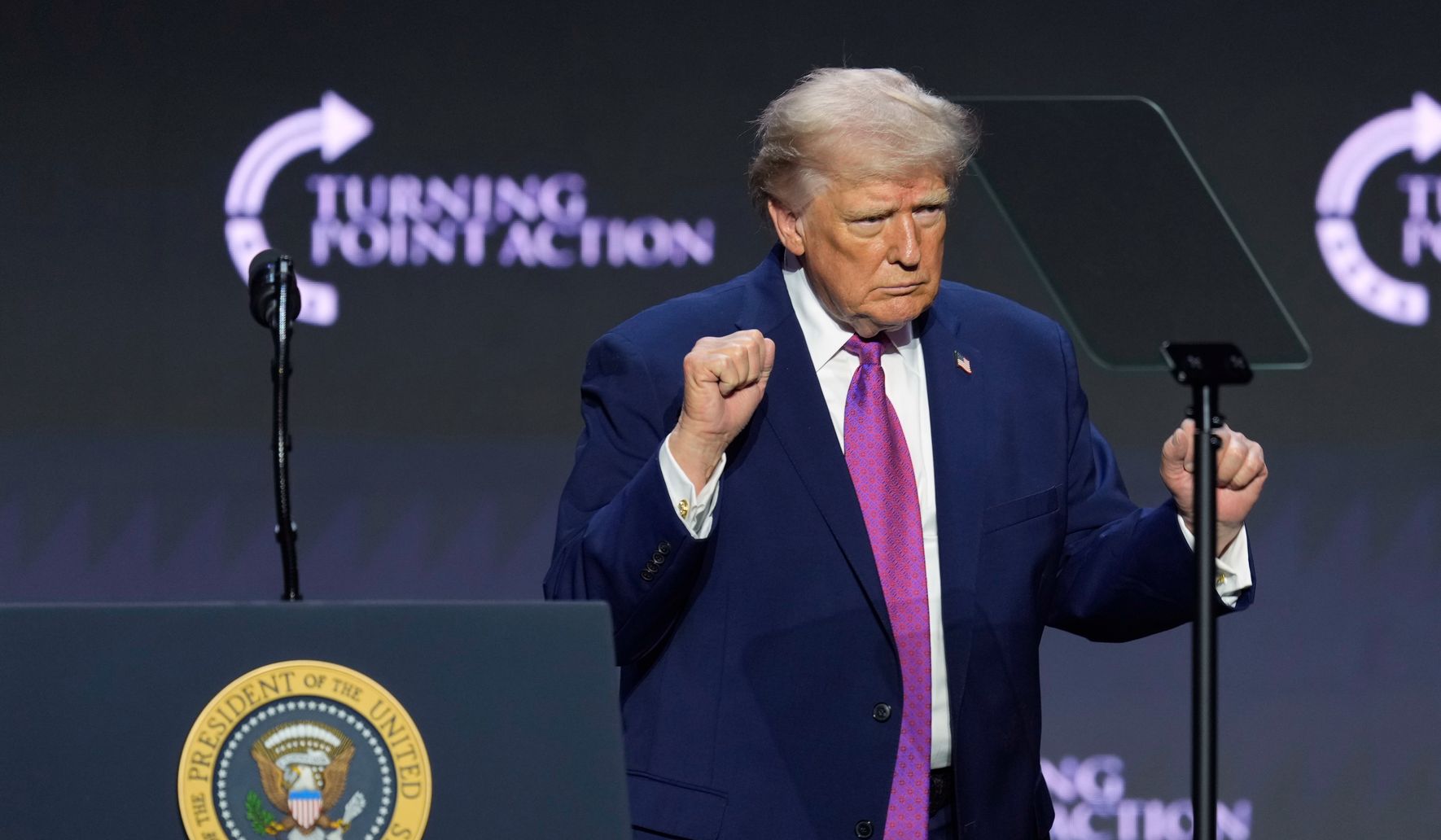
President Trump staged a midterm-style rally aimed at young voters, held with Turning Point USA as sponsor, in a bid to energize Republican turnout.
President Trump brought a campaign energy to a youth-focused event meant to lift Republican candidates and reconnect with younger voters. The crowd mix skewed energetic and on-message, with the former president delivering his usual blend of blunt lines and big-picture promises. Organizers leaned on familiar talking points about the economy, national security, and cultural issues to frame the stakes for the midterms. The tone throughout felt like a direct appeal to a generation often written off by establishment voices.
The event was sponsored by Turning Point USA, the group founded by slain conservative, and it served as a strategic platform rather than a private meet-and-greet. That partnership sent a clear signal: outside groups are still willing to put muscle behind grassroots-style mobilization when they see an opening. Trump’s presence turned the event into a de facto campaign rally with a college-friendly edge, blending policy lines with the showmanship of political theater. For many attendees, the draw was access to the candidate and to the sense of being part of a movement.
Messaging focused on economic opportunity and reversing what Trump framed as failed policies from the other side. He talked about jobs, inflation, and cutting regulations in language meant to connect to young workers and entrepreneurs. There was also a strong emphasis on law and order and border security, framed as necessary for maintaining community safety and prosperity. Those themes are familiar to Republican audiences and were delivered in sharp, uncomplicated terms.
Trump also pressed cultural points that resonate with a younger conservative cohort concerned about free speech and campus policies. He criticized what he called stifling political correctness and urged support for ideas that protect individual liberties. That approach aimed to win over students and young professionals who feel squeezed by the dominant trends on campus and in media. The rally combined policy with cultural signaling, which is often decisive for voters under 35.
Turning Point USA’s role underscored how outside organizations can amplify a candidate’s reach without the gatekeeping of traditional party infrastructure. Their networks on college campuses and social channels provided built-in channels for promotion and turnout. The sponsorship also allowed a more targeted approach, shaping the event’s tone toward issues that matter to younger audiences. For Republican organizers, leveraging those channels is proving to be one of the clearest ways to rebuild ground-level enthusiasm.
The crowd reaction suggested that Trump’s style still cuts through, especially when paired with a fast-paced program and pointed rhetoric. Supporters cheered policy proposals and personal jabs alike, treating the event as both a policy briefing and a morale boost. The atmosphere mattered: rallies are not only about persuasion, they are about creating momentum and a sense of belonging for voters who might otherwise stay home. Momentum, in this view, translates into votes and volunteer energy.
Behind the scenes, the event highlighted lessons about coalition-building for Republicans trying to expand their base. Young voters are not a monolith, but turnout can shift when messages are tailored to economic and cultural anxieties that actually affect them. The rally leaned into those specific concerns rather than vague appeals, which is a tactical change that could pay dividends. It also showed how campaigns and aligned groups can coordinate to create a focused voter outreach operation without relying solely on legacy media.
The event was equal parts spectacle and organizing tool, combining a high-profile speaker with targeted outreach to a demographic that matters in tight races. For Republicans, the takeaway is practical: go where the voters are, speak plainly about their priorities, and use every available network to convert interest into action. Whether this model scales across multiple campuses and communities will determine its long-term impact on the midterms and beyond.

