

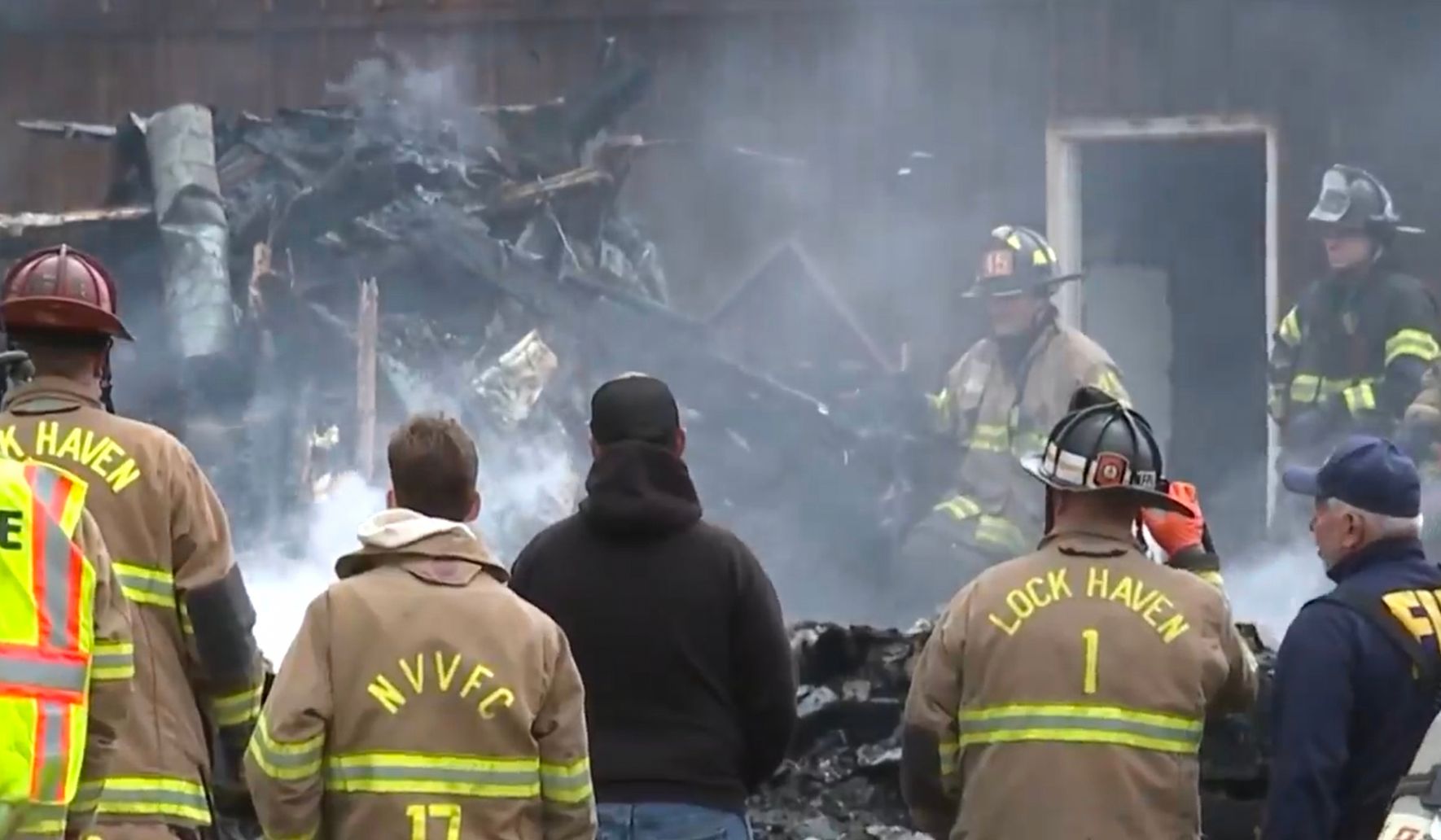
A tragic house explosion and fire in rural northcentral Pennsylvania killed seven members of an Amish household, and investigators are still working to determine what happened.
An Amish woman and her six children ranging in age from 3 to 11 were killed in a swift-moving house fire after an explosion that shook nearby houses in rural northcentral Pennsylvania, authorities said. Emergency crews responded quickly to reports of the blast and the blazing home. Neighbors described a sudden surge of noise and flames that consumed the structure in a matter of minutes.
Local fire and rescue teams secured the scene and began a methodical search once conditions allowed safe access. Officials moved carefully because the explosion left debris and unstable sections of the building. Forensic teams later worked to document the damage and collect evidence to establish how the event began.
Investigators emphasized that determining the cause will take time and a thorough review of physical evidence. Standard procedure includes examining structural failure, potential utility issues, and any signs of an intentional act. Until that work is complete, authorities avoided drawing conclusions about what sparked the blast and fire.
Neighbors reported hearing and feeling the explosion, which prompted multiple households nearby to check their homes for damage. Several residences in the vicinity suffered broken windows and other impacts from the shockwave. People in the area described a scene of urgent activity, with first responders, investigators, and community members converging quickly.
The family’s losses are immediate and devastating, and the community is now facing the practical and emotional work of mourning. Amish communities often respond through church networks and close kinship ties, relying on hands-on support rather than public campaigns. That social structure tends to shape how recovery and remembrance unfold in the days ahead.
Authorities did not release the victims’ names immediately as next of kin were notified and procedures were carried out. Officials noted that identifying remains and confirming details for families can be a careful, time-consuming process. Coroners and investigators worked quietly to ensure accurate information before any public announcements.
Fire investigators planned to examine appliances, heating systems, fuel lines, and wiring as part of their cause analysis. They also intended to analyze blast patterns and debris distribution to determine whether the explosion originated inside or outside the home. Laboratory testing and expert review are common steps in these complex investigations.
Local emergency management officials coordinated with volunteer fire departments to manage the scene and offer support to neighbors. Mutual aid and regional resources often arrive when an incident overwhelms a single department’s capacity. That coordination helps ensure safety for responders while preserving evidence for investigators.
Community leaders and nearby residents offered condolences and practical help as families began to cope with the immediate fallout. In rural areas, volunteers frequently assist with shelter, clothing, and coordination of essentials after a disaster. Those on the scene focused on respectful, neighborly care rather than public spectacle.
Mental health professionals and clergy sometimes work with families after mass casualties to provide grief counseling and crisis support. While Amish communities may rely primarily on internal support, outside agencies can still offer assistance when requested. Officials typically make resources available through local health departments and relief organizations.
Insurance assessments and property inspections are separate steps that tend to follow once investigative work is complete. Determining structural integrity and the extent of damage helps officials decide whether nearby buildings are safe to re-enter. Those assessments will also guide any cleanup or demolition that may be necessary.
Public safety reminders often follow such incidents, urging people to check smoke detectors, maintain heating systems, and handle fuels and electrical systems according to manufacturer guidance. While specific lessons in this case await the investigation, the suddenness of the blaze underlines how quickly fires can overtake a home. Preparedness measures can reduce risk but cannot eliminate every hazard.
Officials asked for privacy for the grieving families while the technical work continued at the scene. They also encouraged anyone with relevant information to share it with investigators so that a full picture could be built. Tips from neighbors, surveillance footage, or witness accounts can all be important in reconstructing events.
The incident raises broader questions for rural communities about emergency response times, infrastructure resilience, and access to investigative resources. Rural jurisdictions often depend on volunteer responders who balance limited staffing with wide coverage areas. That reality shapes both immediate response and longer-term conversations about preparedness and support.
Authorities pledged to release updates as reliable information became available and as families were ready for public notification. Maintaining accuracy in public statements helps prevent rumors and speculation while investigators complete their work. The focus remained on respectful handling of facts and on the technical steps necessary to reach firm conclusions.
Neighbors and officials alike described a quiet, somber mood in the township in the wake of the tragedy. Community life continued, but many routines were interrupted as people reflected on the sudden loss and offered practical aid. The coming days and weeks will involve both investigative follow-up and ongoing community support for those most affected.
For now, investigators continued systematic evidence collection, interviews with witnesses, and technical analysis aimed at identifying how the explosion started and how the fire spread. That work is the primary path to answers and to measures that might prevent similar tragedies. Until then, the community remained focused on caring for one another and on cooperating with authorities as the process unfolded.

