

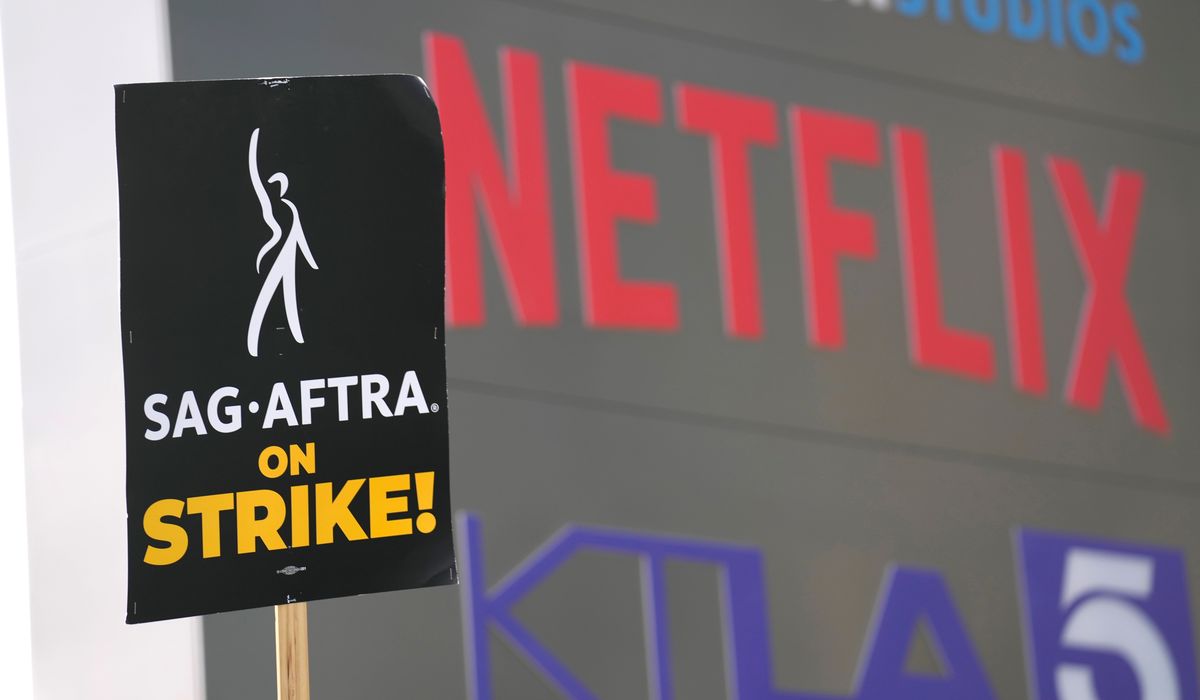
Members of the screenwriters union overwhelmingly ratified a four-year agreement with Hollywood studios and streamers on Friday, ending a surprisingly smooth and quick negotiating process and returning a sense of normalcy to a shaken production landscape.
The vote came after negotiations that, by many accounts, moved faster and with less friction than expected. That speed surprised industry watchers who have seen prolonged labor disputes before, and it gave both sides a clean break from the uncertainty that had stalled projects. For writers, ratification means a new contract framework they supported was put into place.
Studios and streamers now have a clear, four-year window to plan around, and production schedules can begin to recalibrate. The pact removes a major variable that had held up greenlighting and shooting, so crews and talent can start coordinating confidently. Investors and distributors will also welcome the certainty after a period of budget shuffles and delayed releases.
Union leaders emphasized the strong support for the agreement, describing the vote as decisive and representative of member priorities. That backing gives the contract political and practical weight inside the guild, smoothing the path for any implementation steps that follow. A large margin of approval reduces the chance of internal pushback or splintering during enforcement.
For writers, the day-to-day effect will be gradual but immediate in certain places: writers’ rooms can be staffed, freelance schedules can be confirmed, and negotiations for individual projects can move forward. The contract establishes a baseline that producers must follow, which should limit surprise changes to working terms during its four-year span. That baseline is important for everyone who relies on predictable workflow and pay cycles.
Outside the writers’ ranks, other unions and industry players will watch how the agreement plays out, looking for signals about future bargaining strategies and marketplace shifts. If the contract holds up and delivers stability, it could set expectations for the next round of negotiations across the entertainment sector. Conversely, any shortfalls or disputes in applying the deal will be scrutinized closely.
Business analysts pointed out that streaming platforms, which figured heavily in the talks, are now able to move on content strategies without the drag of unresolved writer issues. That matters because streamers have been reshaping production timelines and compensation models over the last several years. A ratified contract provides clearer rules for how writers are compensated as viewing habits and delivery methods continue to evolve.
The public narrative around the talks emphasized cooperation over confrontation, a tone that helped the process finish quickly. Industry insiders noted that both sides had incentives to avoid a prolonged fight this time: studios needed content pipelines running and writers wanted secure, enforceable terms. That mutual interest created momentum toward a swift resolution.
Practical work remains: guild officials and studio representatives will need to coordinate on implementation, dispute resolution, and any technical clauses that require clarification. Members will watch closely as the terms are applied in real-world production settings, especially where new media formats and technology are concerned. If the contract proves effective, it will have given the industry a short-term reset and a predictable framework for the next four years.

