

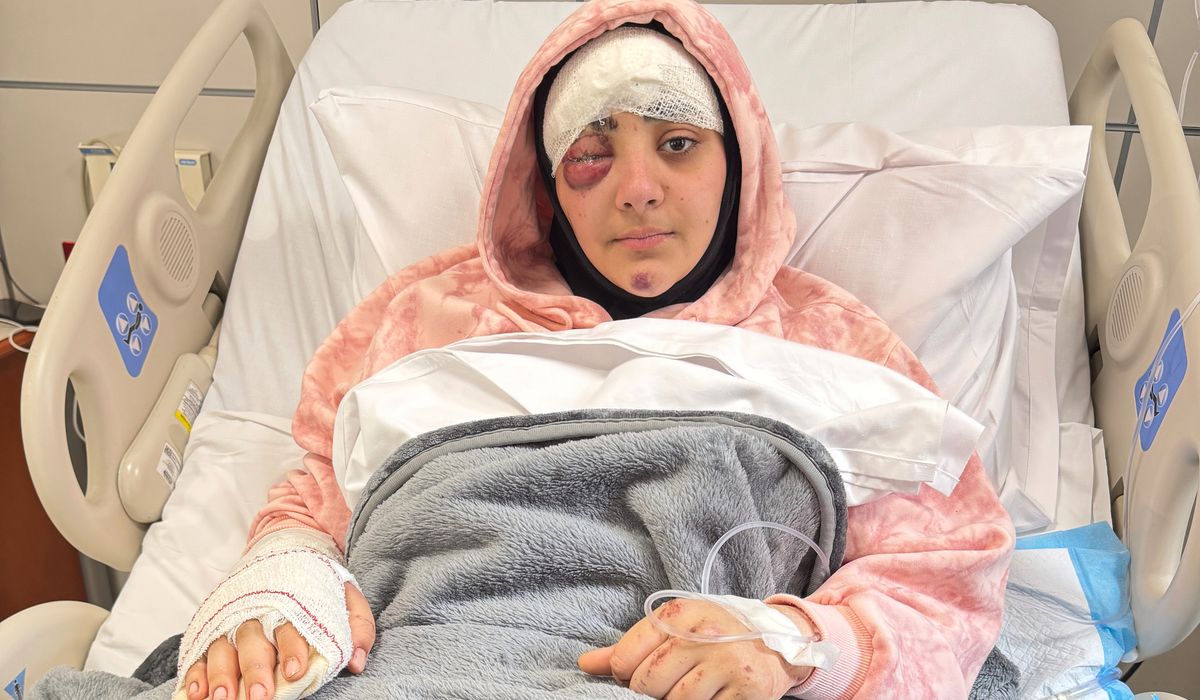
A Lebanese journalist injured in an Israeli airstrike recounted long hours of pain and waiting for help after the strike killed a colleague, offering a firsthand look at the human cost of operations in a war zone.
The journalist said the airstrike wounded her while it killed a colleague, leaving both of them vulnerable as rescue and medical help took time to arrive. She described the experience as hours of agony, a portrait of how quickly a reporting assignment can turn into a struggle to survive. The account came in an interview with The Associated Press and has prompted renewed calls for clarity about how such strikes happen and who bears responsibility.
The scene she described raises urgent questions about the fog of war and the way combat decisions affect noncombatants, including members of the press who are there to document events. From a public safety and policy perspective, the priority should be protecting journalists and ensuring battlefield conduct meets strict standards. Republicans tend to stress the need for strong, decisive security measures while also demanding accountability when innocent people are harmed.
Those priorities mean pushing for clear rules of engagement and better coordination so that intelligence and targeting minimize civilian casualties and collateral damage. It also means supporting allies who face asymmetric threats and insist on accurate, timely information about strikes that go wrong. At the same time, there must be mechanisms to investigate incidents swiftly so families and colleagues get answers without politicized delays.
The journalist’s story also reminds us that reporting from conflict zones is often done under intense pressure and risk, with limited protection and slim margin for error. When a strike injures or kills a reporter, it silences a witness and chills coverage that the public needs to understand what is happening on the ground. Protecting that flow of information should be a nonpartisan priority, but from a Republican viewpoint it dovetails with national security goals: transparency strengthens support for allies and helps expose those who put civilians in danger.
Accounts like these underscore why the U.S. and its partners must keep improving intelligence precision and operational safeguards, while defending the right of journalists to work without being targeted. Military operations in densely populated areas are inherently complex, yet the burden remains on commanders to avoid incidents that leave journalists and civilians paying the price. Republicans often argue that robust capabilities paired with strict oversight produce both effective defense and moral clarity.
The aftermath of the strike highlights the human logistics of rescue and medical response under fire: delays can cost lives and compound suffering for survivors who are left waiting for help. Emergency response in war zones depends on reliable communications, safe access routes, and protocols that prioritize the wounded. Strengthening those systems and ensuring accountability when they fail should be part of any strategy that values both security and human life.
The journalist’s testimony will likely add pressure for independent inquiries and for military partners to publish their findings transparently, so the public can see what went wrong and what corrective steps will be taken. From the Republican perspective, transparency protects the credibility of allies and deters future missteps by making consequences clear. At the same time, careful reviews must avoid rushing to judgment before facts are established, because rushed conclusions can hamper effective operations and political support.
Ultimately, this incident is a stark example of the stakes for people who report from the front lines and for the forces that engage in those areas, where split-second choices have lasting consequences. Ensuring that journalists are protected, that investigations are thorough, and that military precision is continually improved aligns with a viewpoint that values both security and accountability. The story brings those issues into sharp relief through the hard-earned words of someone who lived through the attack and its painful aftermath.

