

The Southern Poverty Law Center’s reach extends well beyond courtrooms and newsletters, touching schools, corporations, donors, and the national conversation in ways that demand scrutiny and clearer accountability.
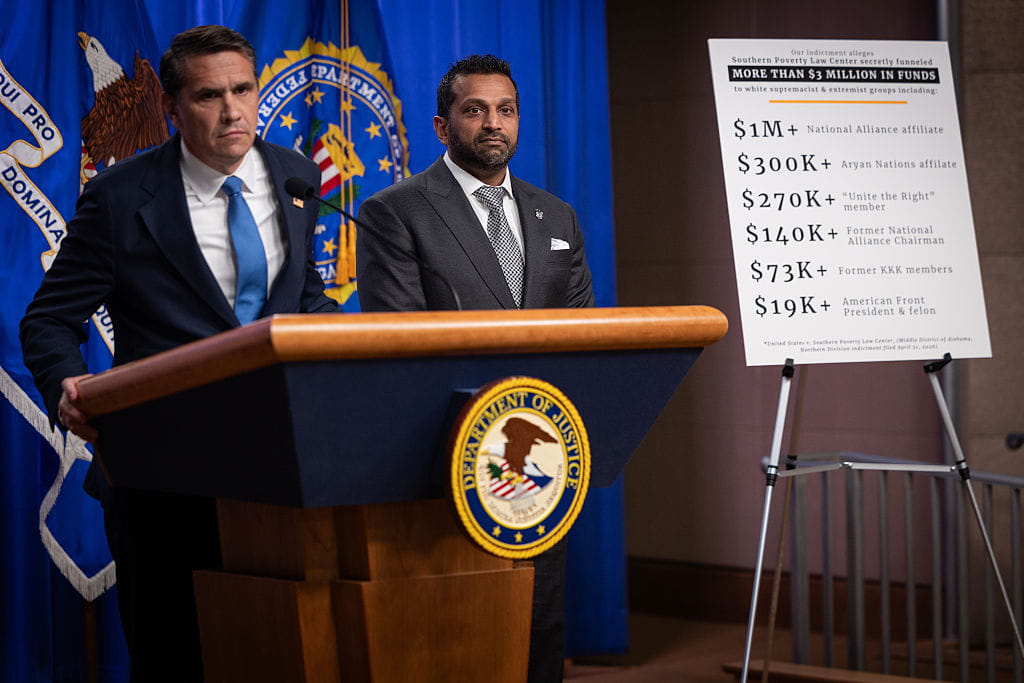
The Southern Poverty Law Center has grown from a litigating civil rights group into a sprawling institution with deep influence over academic programs, corporate compliance, and media narratives, and that expansion has not come without controversy. Critics on the right argue the group uses its bully pulpit to label political opponents, sway donors, and shape policy debates while escaping the same scrutiny it applies to others. Apr 28, 2026 marks another chapter in those debates as reports and lawsuits force a closer look at the organization’s funding, governance, and public role. The debate now asks whether concentration of influence inside a nominally nonprofit organization is compatible with open civic life.
Conservative observers point out a pattern of behavior that looks like mission creep, where legal work turned into ranking lists, school curricula influence, and corporate pressure campaigns, creating a feedback loop that benefits donor appeal and media prominence. That loop can reward sensational claims and punitive labeling, and it can chill speech by attaching reputational costs to people and groups long before courts weigh in. When an organization accumulates these levers of power, the risk is that accountability becomes internal rather than public, and external critics find themselves dismissed as enemies rather than engaged as stakeholders. This is the heart of the concern many express about the SPLC’s operations.
“The SPLC scandal is about much more than institutional corruption.” That line frames the wider worry that the problem is ideological as much as procedural, meaning leadership habits and cultural incentives contributed to decisions that harmed staff and undermined credibility. Republicans and other skeptics see a pattern where internal missteps are minimized in public messaging while the organization continues to exert outsized pressure on schools and companies. The consequence is a mix of lost trust and persistent influence, a combination that makes reform politically visible but practically difficult. Political critics argue that transparency in governance and donor reporting should be nonnegotiable for groups in this position.
Beyond the internal trauma and governance questions, the SPLC’s external programs deserve scrutiny for their real world effects, including how lists and reports are used by educators, employers, and platforms to make policy. When classifications are broad and politically charged, they can become blunt instruments that damage reputations and careers without due process. From a Republican viewpoint, protecting free association and avoiding partisan purity tests are essential, especially when a private group plays gatekeeper to social and professional life. The proper response is to separate factual reporting from political labeling and to insist on clear criteria and appeal mechanisms for any lists or designations that affect livelihoods.
Financial transparency is another angle where critics demand answers, pointing to donor influence and the potential for self-dealing when fundraising outpaces independent oversight. Big contributions and endowments can create incentives to prioritize headline-grabbing work over durable legal victories, and that shift changes what success looks like for an organization. Accountability means independent audits, robust board oversight, and donor disclosure practices that prevent conflicts of interest from deciding public policy. Voters and civic actors should expect that organizations wielding national influence manage funds and governance in ways that withstand public examination.
The cultural effects spill into education, where partnerships with universities and school districts can embed perspectives into curricula and campus policies, sometimes without enough debate or community input. Critics warn that when a single nonprofit shapes definitions of extremism or hate, the educational environment risks becoming doctrinaire rather than pluralistic. Conservatives argue for a civics-first approach that emphasizes debate, critical thinking, and exposure to competing viewpoints, not a single institutional narrative. If the SPLC’s materials are used in classrooms, they should be accompanied by context, counterpoints, and clear disclosure of authorship and methodology.
What comes next is likely to be a mix of legal, institutional, and reputational consequences, and these will determine whether reforms stick or the organization merely reshuffles leadership while maintaining influence. Republicans pressing for accountability will focus on governance reforms that increase transparency and reduce the ability of any single organization to unilaterally brand civic actors. At the same time, a healthy civic ecosystem needs watchdogs, but those watchdogs must themselves be accountable to the standards they claim to uphold. The ongoing conversation around the Southern Poverty Law Center is less about eliminating scrutiny and more about insisting that scrutiny be fair, transparent, and consistent.

