

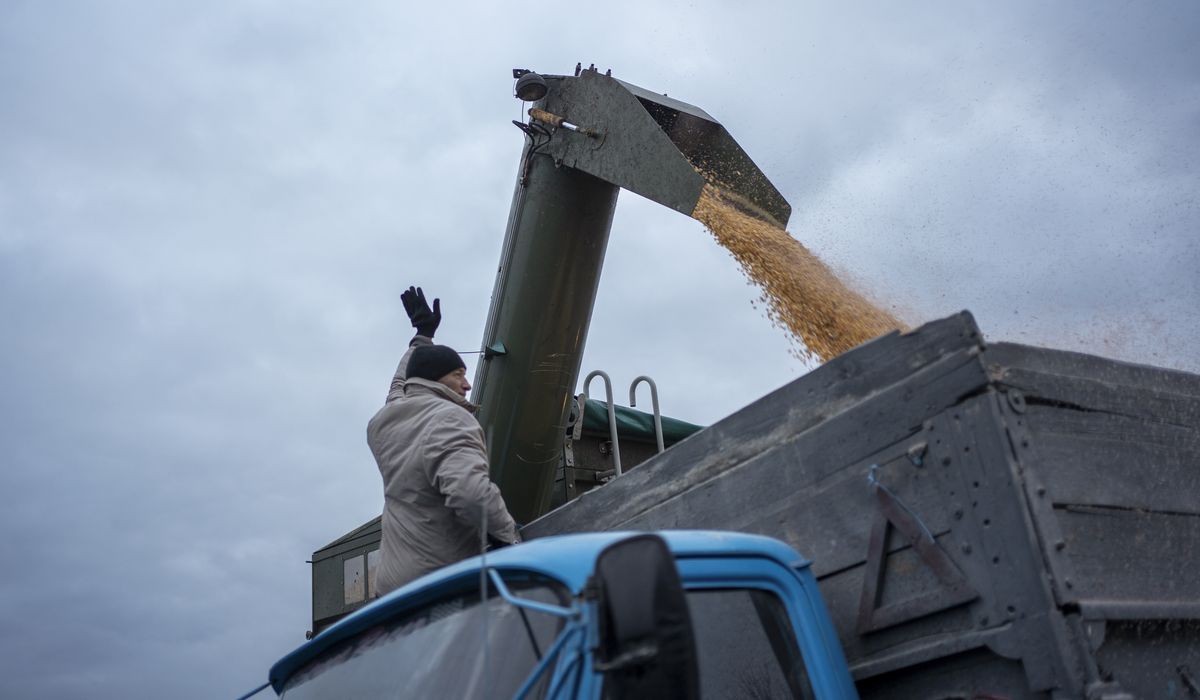
Ukrainian President Volodymyr Zelenskyy has accused Israel of accepting Russian shipments filled with stolen Ukrainian grain, a charge that touches on wartime plunder, supply chains, and the accountability expected of allies.
Ukrainian President Volodymyr Zelenskyy on Tuesday accused Israel of accepting Russian shipments filled with stolen Ukrainian grain. That direct accusation puts a friendly government at the center of a high-stakes dispute over property taken during armed conflict. The claim alone is enough to drive questions about how agricultural exports are tracked and vetted in a war economy.
Grain isn’t just a commodity, it is a political and humanitarian issue. When bulk food supplies move through contested channels, tracking becomes both a technical challenge and a test of international norms. Allegations of stolen grain carry weight because they combine economic losses with moral outrage, especially for a country fighting to protect its harvest and livelihoods.
Accusations like Zelenskyy’s force attention on documentation and inspection systems used in global trade. Bills of lading, port manifests, and certification procedures are supposed to prevent precisely this sort of claim. If those safeguards failed, the diplomatic fallout could extend beyond bilateral relations and invite scrutiny of broader supply chain enforcement.
No government wants to be accused of handling stolen goods, and such allegations can strain ties even between close partners. The mere assertion that Israel accepted shipments flagged by Ukraine raises questions about due diligence and oversight at ports, freight companies, and customs agencies. Diplomacy will likely be tested as officials sort through evidence, public statements, and legal standards.
From a Republican viewpoint, support for allies is unconditional only if those allies act transparently and within the law. That means insisting on clear answers rather than reflexive defenses. Republicans tend to favor firm, accountable diplomacy that protects U.S. interests and upholds international rules without shying away from holding partners to the same standards.
On the logistics side, tracing grain involves a chain of custody that can span producers, shippers, insurers, and buyers. Mislabeling, transshipment, or forged paperwork can create plausible deniability, but they do not erase responsibility. Understanding where breakdowns happened will be critical if legal or trade measures become part of the response.
Market effects should not be overlooked. Grain sitting under dispute can signal instability to global buyers and drive price volatility that hurts consumers in vulnerable regions. The optics of a supplier being accused of handling stolen product can create ripple effects in commodity markets and weaken confidence in trade routes that once seemed reliable.
International law treats property taken during hostilities as a serious subject, and states typically have pathways to pursue restitution or sanctions. Whether through courts, arbitration, or diplomatic bargaining, the next steps will depend on proof, access to contested ports and records, and the political will to press the matter. Evidence-gathering will be decisive.
Domestically, accusations like this can shape political narratives about who stands with whom and why. For U.S. policymakers, the situation becomes a balance of strategic loyalties and principled enforcement. Congressional oversight and hearings often follow high-profile disputes, especially when trade, security, and allied relations intersect.
Investigations that rely on forensics, shipping logs, and witness testimony are slow, messy, and technical, but they are necessary. Rushing to judgment makes diplomacy harder and can damage long-term alliances. Republican voices generally push for rigorous scrutiny paired with clear public reporting to maintain credibility.
At the same time, the humanitarian dimension remains urgent: grain is food, and disruptions affect people far from the ports and ballot boxes where these disputes are debated. Transparent handling of allegations helps protect supply chains and reassure markets that essentials are not being diverted into opaque hands. That practical concern often drives the first concrete responses.
How this episode unfolds will depend on the willingness of the parties to share records and on impartial bodies to examine them. Expect diplomatic notes, requests for documentation, and possibly third-party verifications to appear in short order. What matters most is that the facts are established, not that politics wins the day.

