

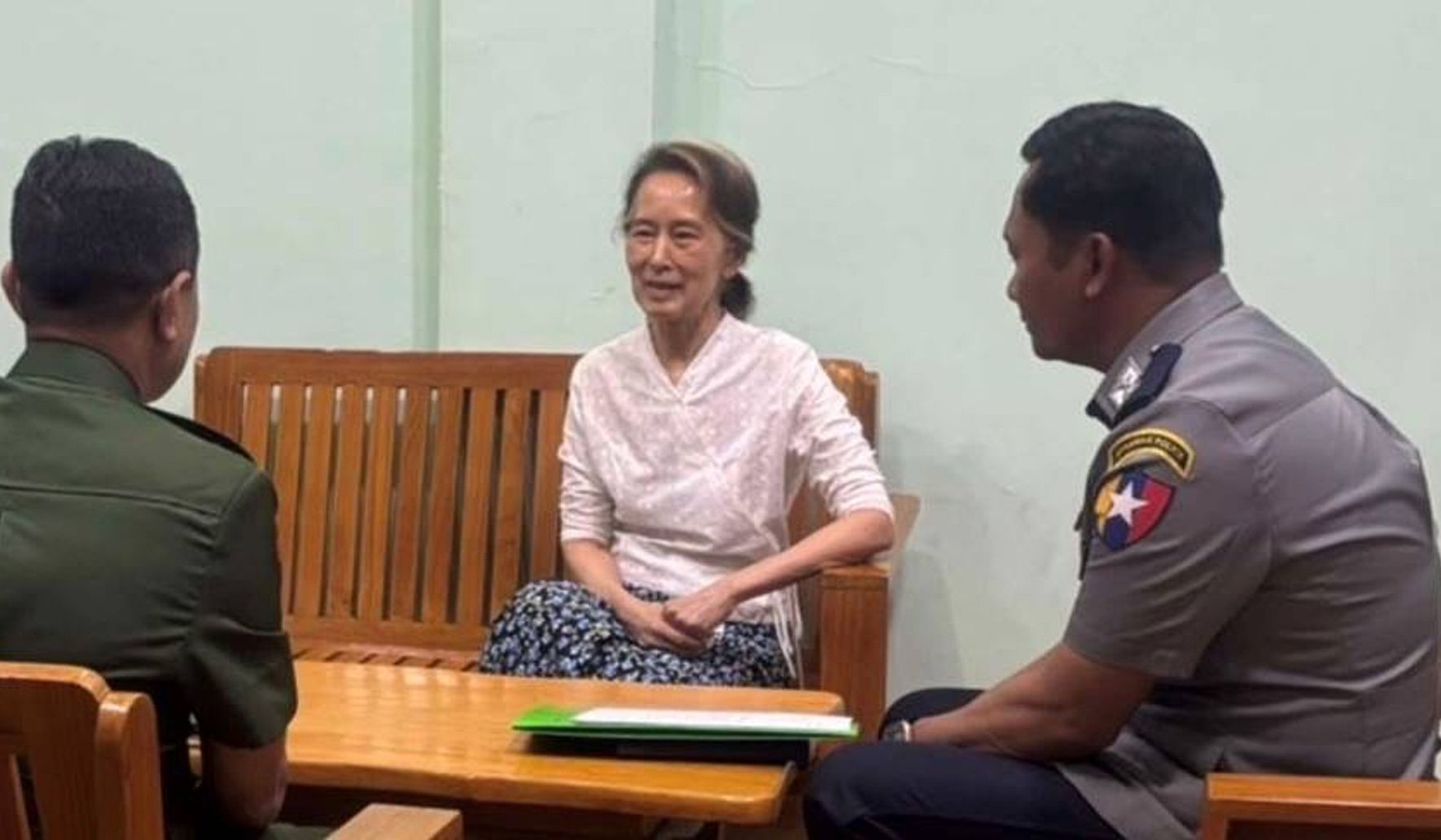
Former Myanmar leader Aung San Suu Kyi has been moved from prison to house arrest and her sentence has been reduced as part of a prisoner amnesty tied to a Buddhist holiday, a development that mixes legal optics with political maneuvering.
The change in custody comes as the ruling military council marks a religious observance by releasing some detainees, but those small gestures do not erase a larger problem. For many observers, the move looks like an attempt to soften criticism while preserving the junta’s hold on power. The basic facts remain: she left prison for house arrest and her sentence was trimmed under an amnesty tied to the holiday.
This is not just about one figure, it is about how authoritarian regimes use legal steps for political cover. From a Republican perspective, these moments expose the difference between genuine reform and public relations. Shifting a high-profile prisoner from a cell to a guarded residence can be a concession without meaningful change in accountability or governance.
Aung San Suu Kyi’s symbolic value is enormous and that is exactly why the generals pay attention to optics. She has long been the face of Myanmar’s struggle for democratic rule, and treating her case as a bargaining chip signals the junta’s priority: staying in charge. Reducing a sentence under the banner of a holiday does not restore institutions or reverse the military’s seizure of authority.
The international response is predictable: criticism, cautious statements, and calls for more transparency. Republicans typically favor firm measures when democracies collapse or when human rights are trampled, and this situation is no different. Diplomacy matters, but it has to be coupled with clarity about consequences for those who overthrow elected leaders and suppress dissent.
Domestically in Myanmar, the effect of this amnesty will be limited unless it connects to real legal reforms and the release of political prisoners more broadly. House arrest keeps a prominent opposition figure isolated and controlled, while the junta keeps the instruments of power intact. Observers should treat this as a partial, tactical move, not a turning point toward democracy.
The pattern here should inform how external actors approach the regime: look at capacity for meaningful change, not just headlines. Any engagement or relief of pressure should be conditional on demonstrable steps that restore rights and obey the rule of law. Otherwise, incentives for backsliding remain strong and public gestures become a tool of authoritarian persistence.
What happens next will hinge on whether the military lets political space expand or simply manages dissent more subtly. For those watching from abroad, the key is watching institutions, media freedom, and whether courts regain independence. The reduction in sentence and transfer to house arrest are facts; what they mean for Myanmar’s future will depend on actions that follow, not on the timing of a holiday amnesty.

