

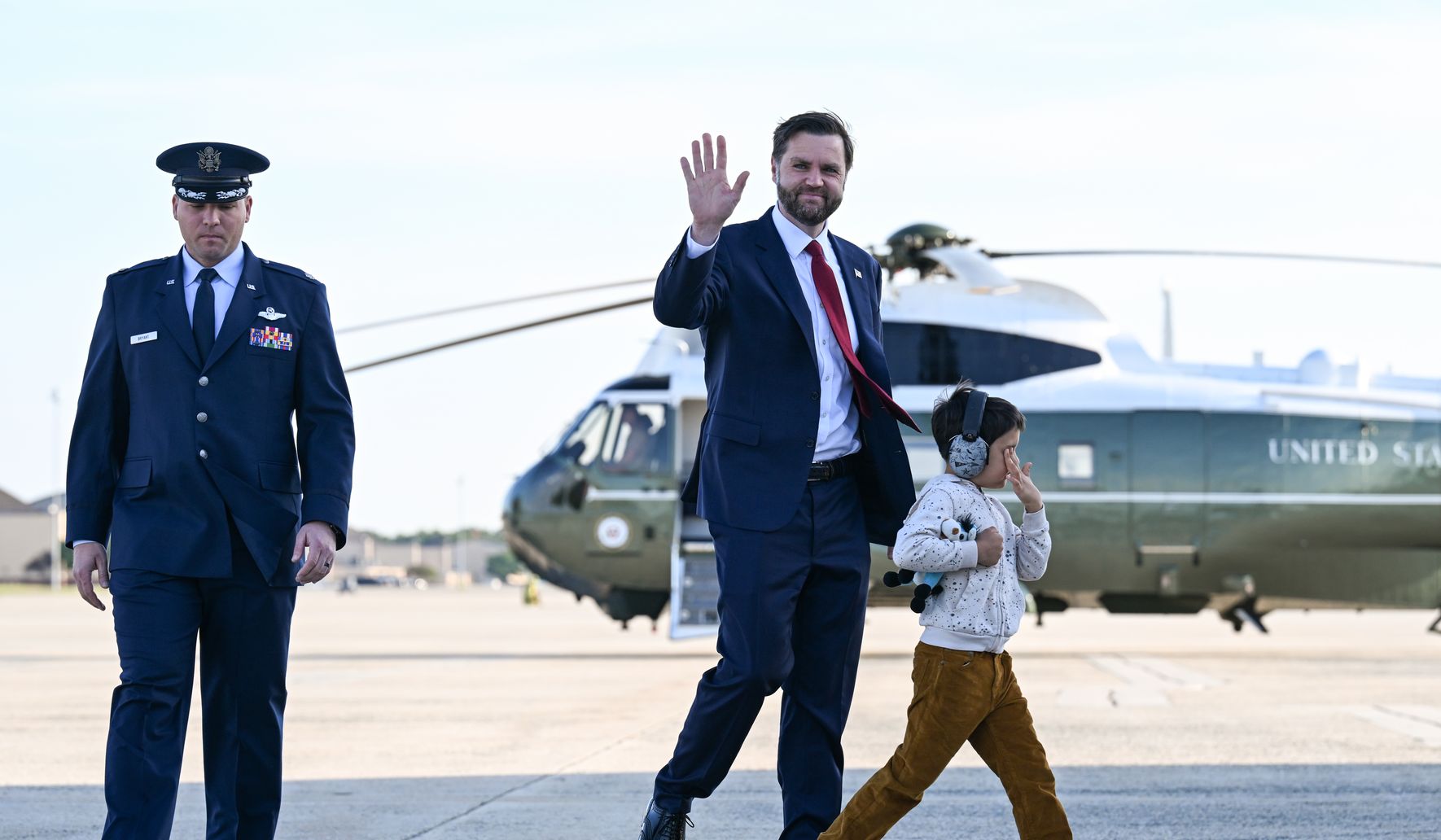
Vice President J.D. Vance is traveling to Des Moines to campaign for Republican Rep. Zach Nunn, who faces a competitive race to hold his seat in the November midterm elections.
J.D. Vance’s trip to Des Moines puts a national spotlight on a district Republicans are determined to keep. The visit signals party investment and gives local voters a chance to see a high-profile conservative leader in person. Energy and attention like this can shift the tone of a tight race without changing a single poll number overnight.
The race for Rep. Zach Nunn’s seat is shaping up as a toss-up that could matter for control of the chamber. Competitive districts attract outside money, relentless messaging, and nonstop media coverage, and Iowa is no exception. For Republicans, holding seats like this is about proving that conservative policies win where voters are paying attention to real results.
Vance brings a clear, unapologetic conservative voice that plays well with the party base and persuadable voters who value toughness on issues like the economy and national security. His presence reinforces a straightforward Republican pitch: lower taxes, secure borders, and a focus on American industry. That message is meant to cut through the noise and remind voters why they should back incumbents who deliver pragmatic results.
Campaign stops like this are more than photo ops. They are organizing events where volunteers get trained, donors can be motivated, and local leaders can coordinate turnout plans. A well-timed visit from a national figure can also re-energize volunteers who have been working long hours and give a morale boost that translates into phone calls and door knocks. In tight races those human actions often matter more than hyperbole.
Iowa voters tend to respond to plain talk and concrete promises. Republicans in the state are emphasizing jobs, supporting farm communities, and protecting local manufacturing. When national figures repeat those themes, they help make the case that conservative policy is working for everyday people rather than just for political talking points.
Zach Nunn has built a reputation as a pragmatic conservative focused on constituent service and practical problem solving. That positioning is useful in a competitive district where swing voters want someone who will show up for the community. Nunn’s campaign will lean into those strengths while using Vance’s visit to underline the national relevance of local leadership.
Opponents will try to frame the visit as an attempt to import outside influence into Iowa politics, but the counter is simple: districts have national consequences and national leaders have a stake in who represents them. Republican organizers will point to shared priorities and contrast those with a record they say delivers results. The goal is to keep the conversation on issues voters care about and away from distractions.
Turnout is the variable that decides close elections, so expect messaging to shift from broad themes to targeted appeals as Election Day approaches. Campaigns will deploy micro-targeted outreach to voters who have swung in the past and use the visit to mobilize volunteers for critical get-out-the-vote pushes. When margins are thin, every interaction counts and a high-profile visit can tip the balance in localized pockets.
Visits from party leaders also aim to build momentum and a sense of inevitability for supporters who might be wavering. For Nunn, the presence of a national figure is a reminder that his race matters beyond the district lines. That dynamic can translate into more donations, more volunteers, and a renewed focus on policies voters believe will keep their communities secure and prosperous.

