

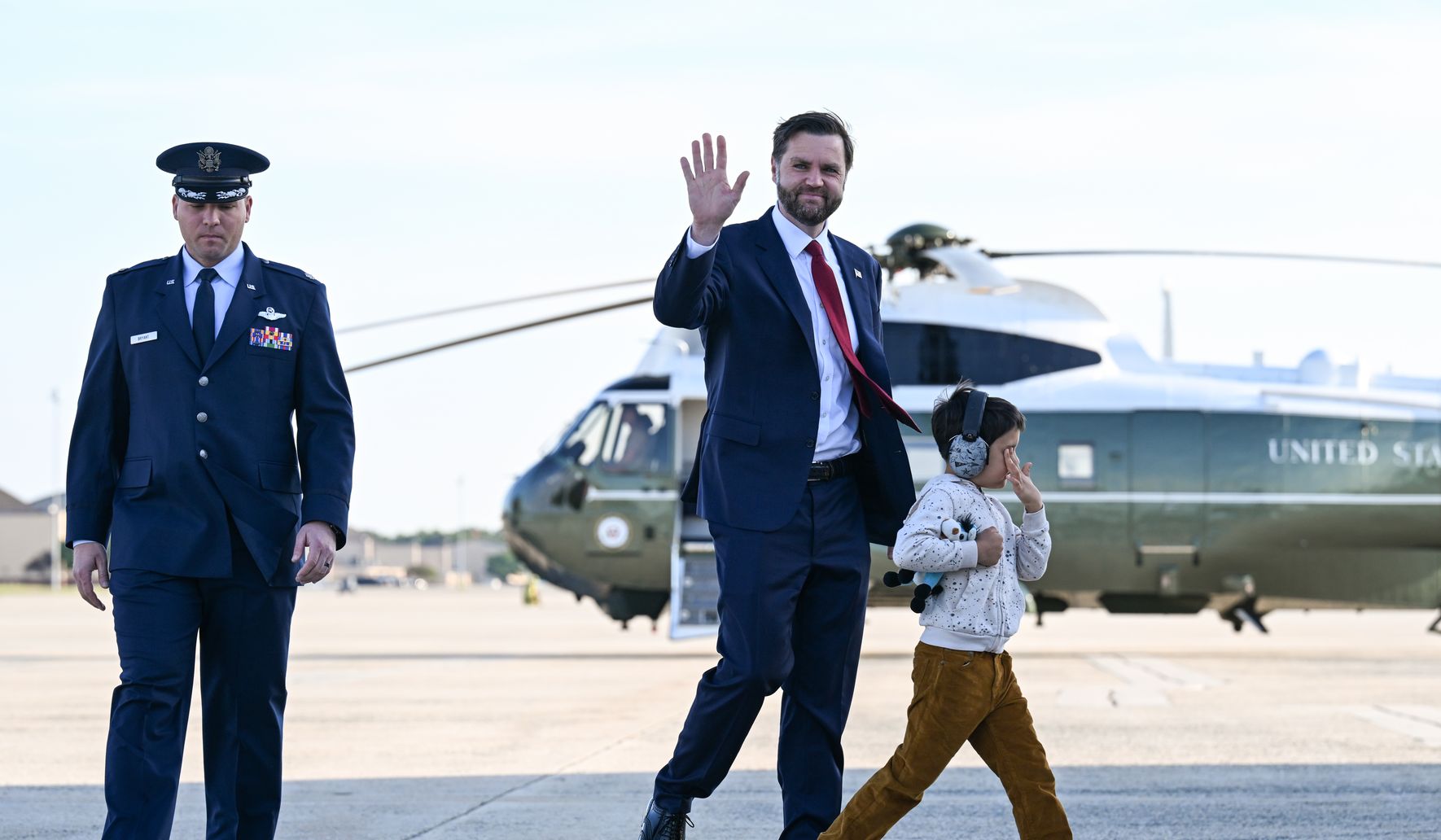
Vice President J.D. Vance heads to Iowa on Tuesday, making his first visit since taking office to the state where Republicans in less than two years will cast the initial votes to pick their party’s nominee.
Vice President J.D. Vance’s trip to Iowa on Tuesday is short, sharp, and purposeful, showing a political team that understands the state’s outsized role in the Republican calendar. This is his first trip to Iowa since taking office, and it will be read as a signal that the administration is plugged into grassroots concerns and the early nominating states. Vance arrives at a moment when local voters expect attention and clarity from leaders who want to earn their trust before the nominating cycle kicks into high gear.
Iowa’s caucuses remain a political spotlight, with Republicans in less than two years set to cast the initial votes that shape the presidential field. That timing changes how every visit is handled, and this one aims to thread the needle between governing responsibilities and political realities. Vance’s schedule is likely to balance policy messaging with face-to-face outreach, a combination conservatives have come to expect when the party’s trajectory is at stake.
Policy will be front and center, and Vance will emphasize issues that matter to Republican voters across the state, from farm policy and energy independence to national security and economic growth. He’ll talk about results and practical steps rather than abstract promises, keeping the tone direct and focused on outcomes. That approach resonates with Iowans who want leaders to produce results without the noise of partisan theater.
Retail politics still matters in Iowa, and a first visit after taking office carries symbolic weight for a vice president with national ambitions. Appearing in small venues, meeting local leaders, and answering pointed questions from voters sends a clear message: this administration is willing to show up and be accountable. Republican voters respect that kind of engagement, and it often translates into political goodwill when the stakes rise.
Expect a mix of policy announcements and appearances at community events that highlight the administration’s priorities, especially those tied to rural America and small businesses. Vance will likely highlight programs aimed at strengthening Main Street and protecting domestic industries, keeping the conversation grounded in practical benefits for families. That’s a straightforward Republican narrative that links federal choices to everyday outcomes for voters.
Media coverage will track every handshake, every line delivered, and every off-the-cuff moment, because Iowa still magnifies political gestures into narratives that travel fast. The vice president’s team knows these optics matter, so the trip will be tightly coordinated to keep the message clear and the distractions minimal. Conservative audiences will be listening for policy specifics and for signs of authenticity that distinguish rhetoric from real leadership.
Local leaders and party activists will read the visit as both a policy roadshow and a political check-in, measuring whether the administration understands the grassroots energy that fuels Republican contests in early states. Vance’s stop is an opportunity to reinforce conservative priorities while demonstrating governing competence. That blend is what voters in places like Iowa want: leaders who share their values and deliver practical solutions.
In short, the visit is a purposeful first step into a politically consequential state for the vice president, with the message designed to bridge governing action and conservative principles. It’s a calculated move to connect with voters who will play a major role in the next nominating cycle, and it underscores the party’s focus on fieldwork, policy, and accountable leadership. For Republicans watching, the trip will be judged on substance as much as style, and both will matter in the months ahead.

