

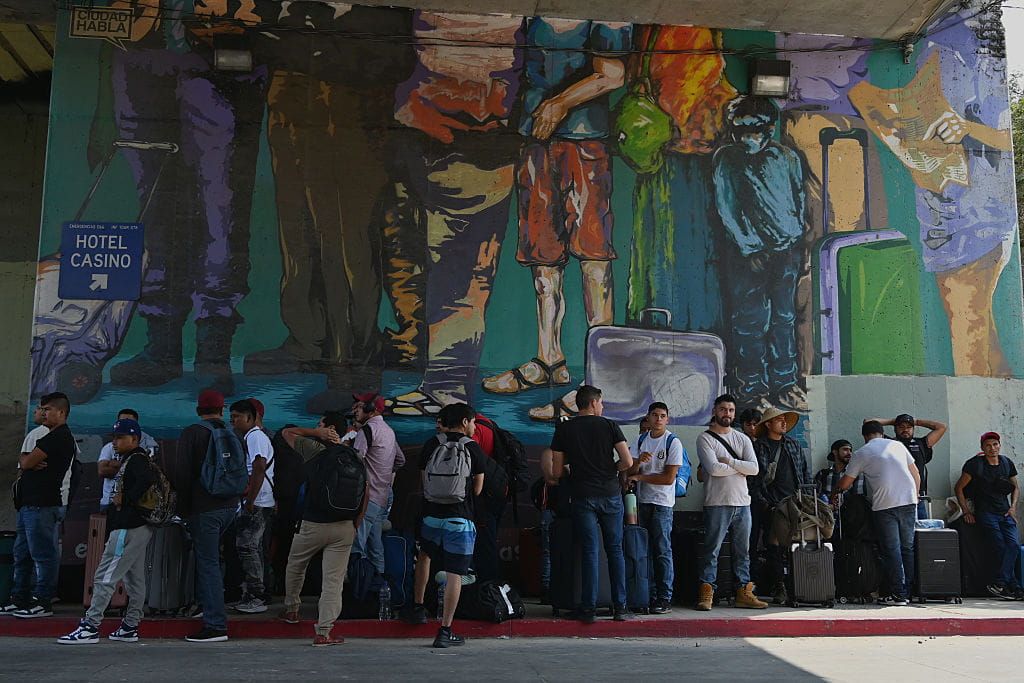
Local leaders are pushing back after Sacramento’s sanctuary policy was imposed on their town, arguing it shifts costs and risks to communities that didn’t vote for the change and that local officials should have a say in public safety and resource planning.
On May 6, 2026, a California town made headlines by formally resisting a state-imposed sanctuary policy for illegal aliens. Local officials say the mandate overrides their authority and forces them to absorb financial and public-safety consequences. Residents and town leaders are framing the conflict as a fight over local control and taxpayer protection.
Municipal leaders describe an immediate strain on budgets and basic services as more people arrive without local planning or funding. Schools, emergency services, and housing systems are not infinite, and town councils worry about being forced to stretch resources thin. That concern is practical, not ideological, and it has pushed officials into legal and political opposition to the statewide rule.
“The carnage from reckless political posturing in Sacramento lands on local communities.” That line has been repeated in town meetings and press statements, capturing the anger and fear felt by many residents. For those who live here, the slogan sums up a sense that distant lawmakers are making choices that disrupt day-to-day life without answering for the fallout.
Public-safety officials in the town argue the policy hamstrings law enforcement by restricting cooperation with federal immigration authorities. They say this complicates investigations and can leave officers with fewer tools to remove dangerous individuals from the streets. Local sheriffs and police chiefs have made it clear they see a conflict between maintaining trust in the community and following state-imposed limits.
Economically, town leaders point to rising costs tied to short-term sheltering needs, increased demand for healthcare and school enrollment, and the administrative burden of tracking new residents. These expenses hit local taxpayers directly, while the policy shifts responsibility away from the state level where the decision originated. The resulting budget squeeze has already prompted debates about service cuts and tax adjustments at town council meetings.
Legal challenges are underway, with the town exploring every avenue to reclaim its say over local policy and public safety. Attorneys for the municipality argue that state law should not be used to force unfunded mandates on local governments. This battle raises bigger constitutional questions about the balance of power between state authority and municipal governance, and the town intends to press the case until those questions are settled.
Politically, the confrontation has become a rallying point for those who favor stronger local control and stricter immigration enforcement. Republican officials and conservative groups have amplified the town’s concerns, arguing that voters deserve the ability to set policies that match local realities. Opponents of the sanctuary order, both inside and outside the town, frame their argument around common-sense governance and accountability to taxpayers.
Community voices at public forums mix practical worries with skepticism toward Sacramento’s one-size-fits-all approach. Small-business owners warn about labor and regulatory uncertainty, while parents and school administrators fret over classroom capacities and student integration. Meanwhile, volunteers and faith groups in the town are stepping up to help, even as they call for clearer, locally crafted solutions.
The dispute has also exposed divisions within the state about how to manage border and immigration issues fairly and effectively. Some policymakers in Sacramento argue for compassionate policy and uniform standards across cities and counties, while critics say uniform mandates ignore local constraints. As the legal and political fight plays out, this town’s resistance is likely to be watched by other municipalities weighing the same trade-offs.

