

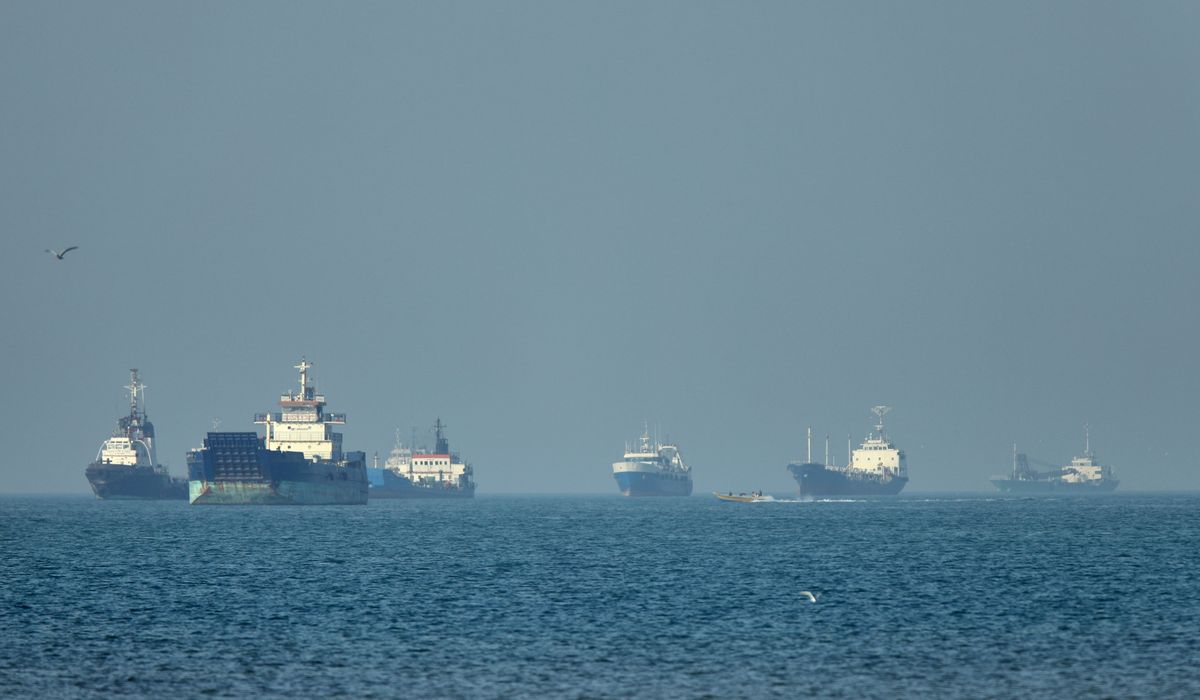
Iran’s Parliament took a step closer to formalizing its management over the Strait of Hormuz, the head of its National Security Foreign Policy Committee announced Wednesday, signaling a potential change in who sets the rules for one of the world’s busiest maritime choke points.
The announcement from the head of its National Security Foreign Policy Committee Wednesday comes as Tehran seeks to convert informal influence into structured authority over transit and inspection inside the waterway. What looks like bureaucratic housekeeping could reshape how ships are treated, how permits are handled, and who enforces maritime rules. For countries that rely on stable shipping lanes, the move is more than paperwork.
The Strait of Hormuz sits at the intersection of geopolitics and the global energy market, carrying roughly one-fifth of seaborne oil exports at any given time. Any change in control or formal management raises instant questions about access and transit rights for tankers, commercial vessels, and naval ships. The world watches because a disruption there reverberates through energy markets, insurance rates, and supply chains.
Iran has a track record of asserting influence in and around the strait, from harassing commercial traffic to detaining vessels on technical grounds. The Revolutionary Guard and local maritime forces have already acted as de facto gatekeepers during flare-ups, and formalizing that role would lock in authority that until now was exercised piecemeal. That shift could normalize behavior that other navies and shippers have long contested.
Under international law, coastal states have rights, but international straits also carry protections for transit passage that limit how much unilateral control any country can lawfully exert. If Tehran moves to codify procedures that restrict navigation or subject all transits to Iranian approval, legal challenges and diplomatic protests are inevitable. Those disputes would play out at sea, in courts, and in negotiations between capitals.
Markets and insurers will respond quickly to any hint that routine movement through Hormuz is subject to new checks or new fees. Higher premiums for tankers and longer routing times raise costs that ultimately reach consumers and businesses worldwide. Energy traders watch for even small disruptions, and headlines about formal control changes can alone push prices higher.
Regional neighbors are especially sensitive because the strait borders several Gulf states and Oman, a long-standing steward of local maritime stability. Governments in the region balance their security ties with Iran against economic dependence on open sea lanes and safe passage for exports. A parliamentary move in Tehran could force those capitals to recalibrate relationships and contingency plans.
From a Republican viewpoint, the primary concern is preserving freedom of navigation and deterring coercive behavior. The United States and partners must make clear that international law and treaty rights will be defended, while keeping military encounters to a minimum through visible deterrence. Sanctions and diplomatic isolation remain tools if Iran turns administrative rules into operational restrictions that threaten commerce.
Diplomatic channels and coalition-building will be critical alongside hard power postures, because multinational norms and joint patrols reduce the odds of miscalculation. Allies can coordinate merchant transits, share intelligence, and pressure insurance markets to avoid rewarding aggressive interdiction. A patchwork of unilateral responses would only create loopholes for Tehran to exploit.
Parliamentary advances do not instantly transform what happens at sea, and implementation requires details, personnel, and enforcement plans that could take months. The next steps to watch are any draft laws, domestic debates, and how Tehran describes enforcement authority in operational terms. For now the announcement marks a turning point that raises the stakes for navies, insurers, and diplomats across the globe.

