

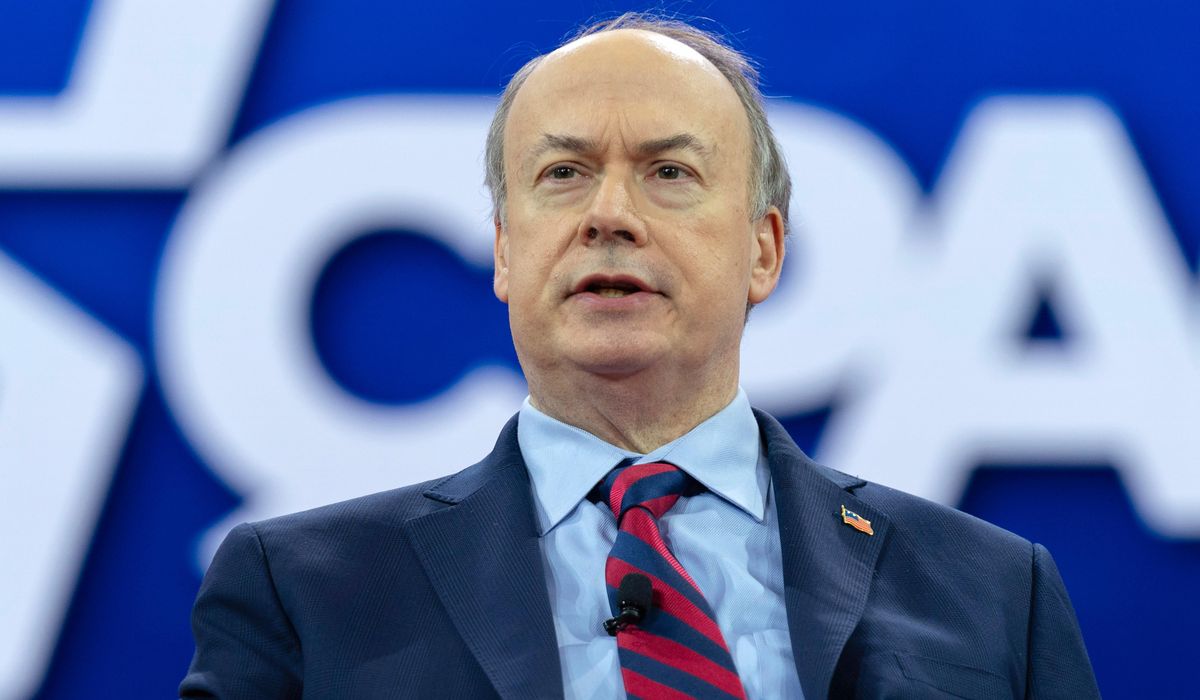
The Justice Department has sued the D.C. bar to block discipline of Jeffrey Clark, a former department official who in 2020 helped shape President Trump’s legal approach.
The Justice Department opened a legal fight against the D.C. bar, suing to stop it from punishing Jeffrey Clark. Clark served at the department in 2020 and played a role in crafting the legal strategy tied to President Trump during that year.
The lawsuit frames the bar’s move as an intrusion into federal authority and an attack on lawyers who carry out official duties. From a Republican perspective, this raises obvious concerns about the use of local regulatory bodies to punish political choices made while serving the government.
Supporters argue the bar’s proceedings could chill public service by threatening lawyers with discipline for policy-driven work. The administration’s filing insists that when lawyers act as part of their federal roles, state or local regulators should not be able to second-guess those actions in a way that interferes with federal functions.
Critics of the D.C. bar say this isn’t about ethics so much as settling political scores from the post-2020 fight. That view holds that the bar’s push to punish an onetime DOJ official reflects the broader pattern of institutions weaponizing rules to target ideological opponents.
The case highlights a legal tug-of-war over where accountability lies for government lawyers: inside the executive branch or in local disciplinary systems. The Justice Department contends federal interests and separations of power prevent the bar from policing decisions tied to official duties, and it wants courts to block the bar’s authority in this instance.
For conservatives who value robust legal representation of elected officials, the stakes are practical and principle-based. If lawyers fear professional ruin for taking positions as part of government work, fewer capable attorneys may step up to defend clients in high-stakes, politically charged matters.
Observers on the right also warn about precedent: allowing local bars to sideline federal lawyers could invite a host of retaliatory actions whenever a change in political control emboldens regulators. The Justice Department’s lawsuit is presented as an effort to draw a clear line protecting federal legal functions from partisan enforcement by local entities.
The D.C. bar will argue its duty is to regulate lawyer conduct in the District, including attorneys who once worked at the Justice Department. That position frames the dispute as one between two legitimate institutional powers, each claiming a responsibility to uphold legal standards and public trust.
Still, the Republican view emphasizes that disciplining official acts risks erasing the breathing room government counsel need to advise powerful clients, especially elected leaders. The broader worry is that professional rules could be applied selectively to silence viewpoints or punish those associated with a prior administration.
Ultimately, this fight is about more than one lawyer or one set of facts from 2020; it is about how America balances accountability against the practical need for attorneys who can vigorously defend government positions. For many on the right, allowing the DOJ to step in preserves an important safeguard for federal decision-making and for lawyers who serve at the pleasure of elected leaders.

