

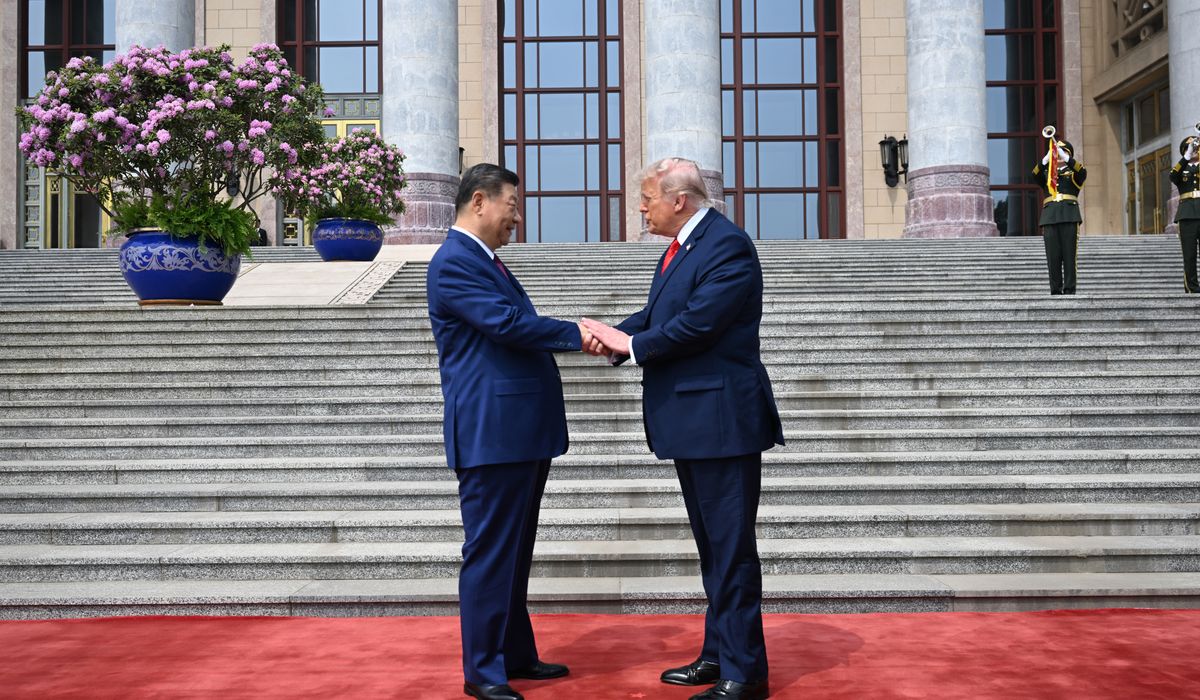
President Trump and Chinese President Xi Jinping publicly emphasized cooperation between the two nations while working to steady a trade agreement and find common ground amid continuing uncertainty. The conversation signaled a pragmatic effort to manage competition without letting economic ties spiral into needless conflict.
The meeting between President Trump and President Xi put practical national interest front and center, with both sides talking stability over spectacle. For Republicans, this is about defending American jobs and ensuring firms compete on a level playing field. The focus was clear: secure fair deals, protect supply chains, and keep the economy humming without surrendering leverage.
Trade negotiations are back on the table, and the priority is a durable agreement that prevents endless tariff ping-pong. That means enforceable rules, stronger protections for intellectual property, and mechanisms that prevent rapid backsliding. Trump’s approach stresses accountability and reciprocity instead of vague promises and wishful thinking.
Cooperation doesn’t mean compromise of core interests, and that line was drawn plainly. National security and economic sovereignty remain nonnegotiable for a responsible administration. At the same time, pragmatic engagement can reduce shocks to global markets and reassure manufacturers and farmers who depend on predictable trade flows.
Businesses want stability, and politicians should deliver it without giving away leverage. A consistent rulebook helps American exporters and protects innovation, while clear penalties discourage bad actors. Republicans favor strong enforcement tools that make sure agreements are real, not symbolic.
The conversations also touched on supply chain resilience, an area where both nations have vital stakes. Short-term disruptions hurt workers and consumers, so pragmatic steps to diversify and secure critical industries make sense. American leadership should push policies that shield essential sectors while promoting competitiveness at home.
Diplomacy with China is a balancing act: push back where necessary, cooperate where possible. That balance favors a strategy that advances American interests, supports allies, and keeps diplomatic channels open for crisis management. A tough but functional relationship reduces the risk of miscalculation and keeps markets steadier.
For farmers and manufacturers, the bottom line is stable access to markets and predictable rules. A reliable trade framework helps rural communities recover and keeps jobs in the United States. Republican policy aims to combine firmness with smart negotiation to protect those outcomes.
Enforcement mechanisms will be watched closely as talks progress, because any deal without teeth invites future problems. Effective oversight, transparent remedies, and measurable benchmarks matter more than pleasant statements. Trump’s posture favors verifiable commitments that Congress and taxpayers can trust.
Ultimately, pragmatic cooperation with strict guardrails is the Republican playbook for managing a complex relationship with China. It’s about keeping American power and prosperity intact while avoiding reckless escalation. Done right, that approach preserves leverage and protects the people who rely on steady commerce and secure supply chains.

