

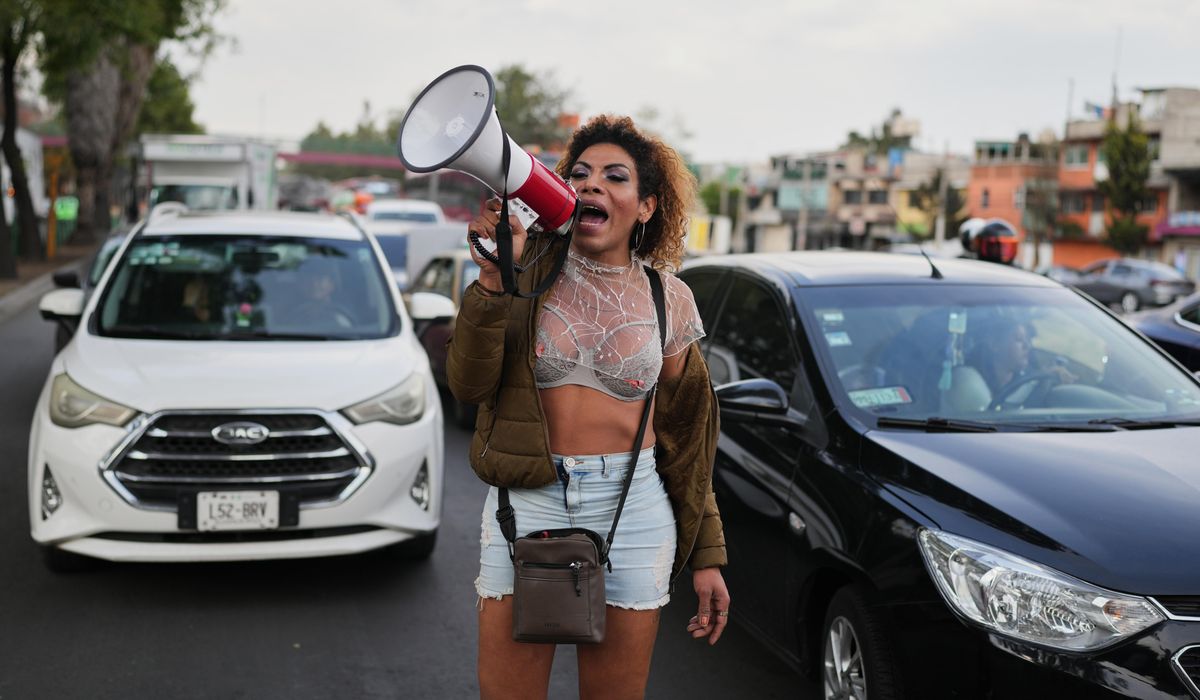
Montreal is seeing a bold labor action ahead of a major international race, with sex workers staging a strike timed to the biggest draw on the city calendar and raising questions about safety, enforcement, and how officials balance public order with individual rights.
Sex workers are going on strike in Montreal the day before this year’s Formula 1 Canadian Grand Prix to try and get better working conditions. The timing is deliberate and hard to ignore: a high-profile event concentrates attention, visitors, and the media, which gives the strike visibility and pressure. Organizers hope the disruption will force municipal and provincial leaders to respond.
Residents and business owners are watching closely, worried about how protests intersect with major events. Hotels, restaurants, and tourism operators depend on steady crowds and a predictable environment during the Grand Prix, so any public disruption becomes a practical problem for local commerce. City officials face a tricky calculation between crowd control and allowing people to press their demands.
From a Republican viewpoint, the focus lands on enforcing the law and protecting residents while respecting civil liberties. That means ensuring public safety around the race course, preventing disorder, and upholding ordinances without overreacting. Law enforcement should act professionally and consistently to keep the city functioning for visitors and locals alike.
The striking workers are pushing for improved conditions, which puts pressure on policymakers to address safety and working standards. There are real safety concerns in any outdoor or street-centered work, and those issues deserve plain solutions that don’t undermine community order. Practical measures like clearer rules, better access to services, and partnerships with local organizations can help without creating loopholes that encourage chaos.
This kind of protest also tests how the city manages its public spaces during a global event. A Formula 1 weekend brings heavy traffic, temporary rules, and large crowds, so authorities must coordinate policing, transit, and cleanliness. The goal should be a stable environment that supports both public safety and the city’s economic interests.
Critics worry that political attention will skew toward symbolic gestures rather than durable fixes. That’s a fair concern when headlines matter more than policy. Elected leaders should be judged by whether they produce sustained improvements in safety and standards, not just temporary appeasements timed to media cycles.
There is also a human element to this story: people asserting agency amid economic pressure and uneven protections. Any policy response should acknowledge that reality while maintaining clear legal boundaries. Local services and community groups can provide support that reduces risk and keeps public spaces orderly.
Business owners around the Grand Prix area will be watching how authorities respond, and they are likely to demand consistent enforcement to protect commerce. Predictability matters for investment and for the tourism the race brings to Montreal. Officials need to send a consistent message: the city welcomes visitors, expects lawful behavior, and will act to preserve public order.
Ultimately, this strike forces a conversation about how cities handle complicated social issues during major events. It asks whether short-term media pressure can produce long-term policy gains or simply create temporary headlines. Lawmakers and city managers should aim for solutions that protect citizens, support local economies, and deliver clear, enforceable standards without rewarding disruption.

