

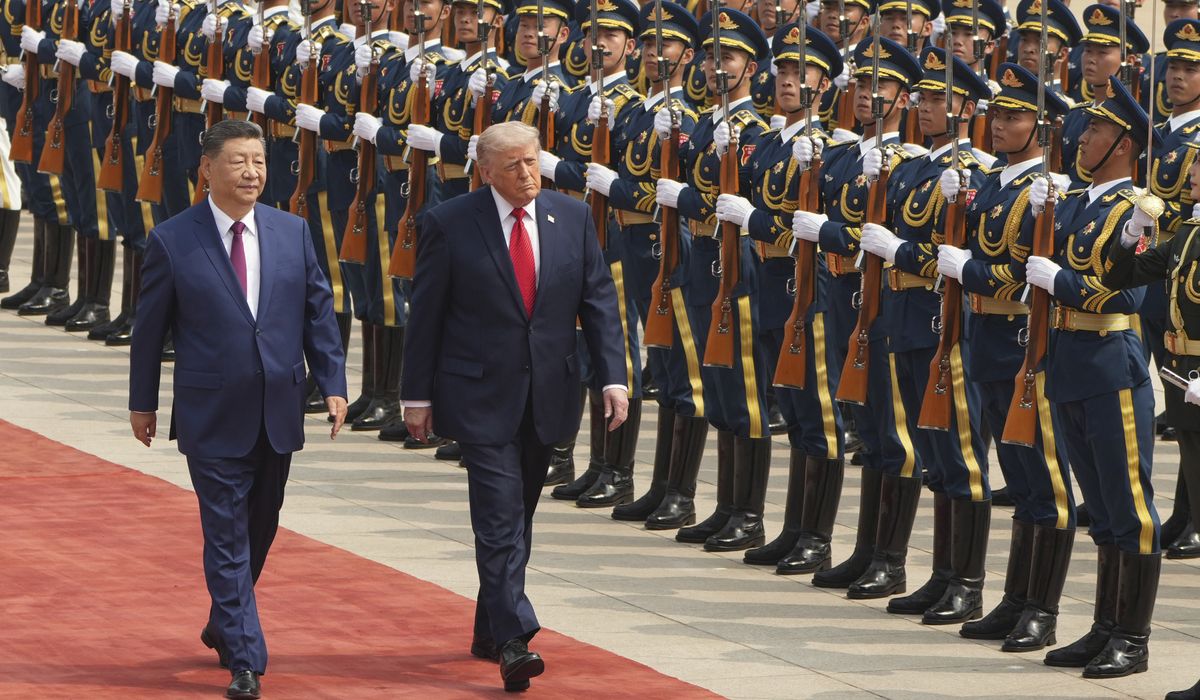
President Donald Trump returned from a high-profile Chinese state visit to an American scene that felt less celebratory, swapping Beijing pomp for immediate economic pressure at home.
The contrast between the ceremonial state visit in Beijing and the tough U.S. economic picture landed hard. Images of a military band and manicured gardens met reality when markets, consumers, and critics focused on jobs, inflation, and trade. That awkward shift framed questions about priorities and results.
Travel and ceremony look good on television, but voters want steady paychecks and rising wages. Inflation has eaten into take-home pay and small businesses are feeling the pinch from higher borrowing costs. For many Americans, optics of welcome receptions mean little compared with real economic stability.
On Wall Street, investors watched policy moves and rhetoric more than pageantry. Interest rates remain a central concern because they affect mortgages, car loans, and business investment. If rates stay elevated, the everyday cost of living stays stubbornly high for working families.
Trade relations with China are still a hot-button issue that intersects with manufacturing and jobs. Republican voices argue that strong leverage and clear terms protect American workers and intellectual property. The push is to turn diplomatic gestures into enforceable deals that deliver measurable benefits at home.
Energy and supply chains also factor into the domestic scene after any international trip. When global relations shift, so do the costs for shipping and production that American companies face. A policy that secures reliable energy and smooth logistics can dampen price swings that hit household budgets.
Political theater in foreign capitals does not automatically translate to economic wins back in the U.S. That reality feeds a conservative critique: diplomacy has to produce tangible outcomes, not just headlines. Voters expect policies that protect jobs and lower costs rather than prolonged ceremony.
Part of the debate centers on enforcement and accountability. Negotiations can be useful, but without follow-through and measurable benchmarks, agreements remain promises. Republicans argue for transparent metrics so citizens can see whether deals are improving wages, trade balances, or industrial capacity.
There is also a cultural angle: Americans want leadership that understands everyday struggles. Whether the issue is grocery prices, rent, or small business cash flow, people judge leaders by the impact on daily life. A foreign trip will be forgiven if it leads to stronger supply chains and more resilient domestic industry.
Meanwhile, local economies are watching policy signals for signs of change. States and cities decide investments and hiring based on long-term expectations of stability. Clear, pro-growth policy that reduces regulatory uncertainty and encourages investment sends a stronger message than any state banquet.
At the end of the day, political leaders must translate global deals into local benefits. That means concrete steps on tariffs, trade enforcement, energy policy, and incentives that bring back manufacturing and protect intellectual property. The optics of a state visit are fine, but voters want measurable progress at the checkout line and the job site.

