

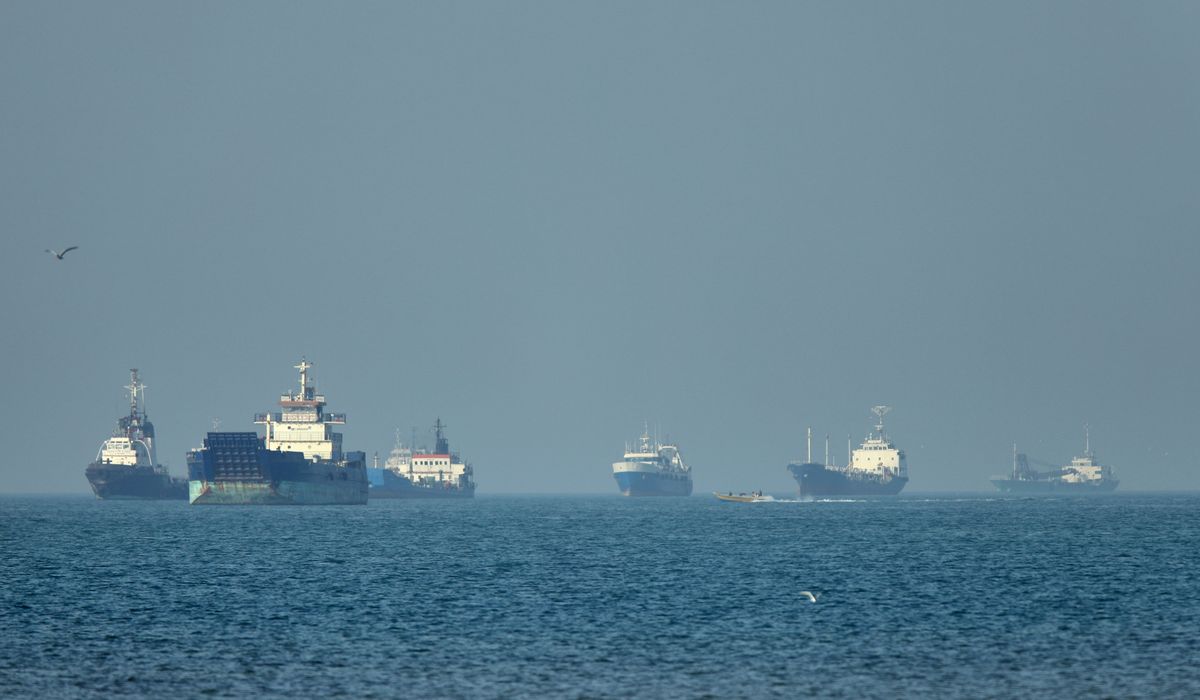
Secretary of State Marco Rubio said Tuesday the Strait of Hormuz will be reopened “one way or another,” as the U.S. and Iran work through the final stage of peace negotiations despite rising tensions, and the statement has shifted debate about American strategy in the region.
Secretary of State Marco Rubio said Tuesday the Strait of Hormuz will be reopened “one way or another,” and that blunt line frames a clear Republican demand for results and security. The strait is a choke point for global energy and a barometer of how serious talks with Iran will be. Republicans argue that diplomatic progress must be matched by credible deterrence to protect commerce and allies.
Those talks are described as reaching a final phase, but the atmosphere around the negotiations is anything but calm. Incidents at sea, proxy attacks, and hostile rhetoric have all climbed, putting pressure on negotiators and commanders alike. From a conservative perspective, peace deals are only meaningful if they end threats to American interests and regional stability.
The Strait of Hormuz matters because roughly a fifth of the world’s seaborne oil passes through it on normal days, and disruption there spikes global prices and damages American credibility. Republican voices stress that economic leverage and military presence must work together until a durable settlement removes the threat. Saying the strait will be reopened “one way or another,” is meant to underline that diplomacy won’t be allowed to leave gaps in security.
Republicans contend the U.S. should pursue a three-part approach: firm deterrence, tight economic pressure, and tightly monitored agreements. Deterrence means posture, readiness, and willingness to act if Iran or proxies threaten shipping lanes or allies. Economic pressure keeps options open while monitoring ensures any rollback of nuclear or military capabilities is verifiable and irreversible.
There are real-world choices behind this posture, including naval patrols, intelligence sharing with partners, and sanctions enforcement. Conservatives favor visible, interoperable operations with regional partners to deter aggression without inviting mission creep. The message is straightforward: diplomacy can succeed, but only if backed by clear consequences for violations.
Critics of a softer approach warn that vague relief in sanctions or ambiguous timelines only let Tehran rebuild influence and maritime disruption capabilities. Republican policymakers insist any easing must be conditional, phased, and tied to solid verification, not just promises on paper. That stance aims to protect American workers and global markets from sudden shocks.
At the same time, lawmakers on the right emphasize alliances. Gulf states, NATO partners, and friendly Asian buyers all have a role in enforcing rules at sea and sustaining diplomatic pressure. Shared patrols, intelligence exchanges, and synchronized sanctions make unilateral surprises harder to exploit. The goal is to prevent a scenario where one-off agreements let Iran pick off concessions piecemeal.
Domestically, the debate is about accountability and outcomes. Republicans press for hearings and oversight to ensure any deal is transparent and verifiable, and they want contingency plans if Tehran backslides. This oversight is framed as protecting American interests rather than obstructing diplomacy. It is a demand that negotiators deliver both peace and security.
Military planners under a conservative doctrine are asked to prepare for a range of contingencies without escalating for the sake of escalation. Training, logistics, and forward presence must be calibrated so that US forces can respond quickly to threats to shipping or bases. At the same time, commanders are counseled to avoid actions that would hand Tehran manufactured excuses to escalate.
Energy markets and allied economies remain an immediate concern, so the political argument stresses swift fixes for trade routes and insurance markets if Iran disrupts flows. Republican policymakers argue for ready alternatives and stockpile strategies to blunt price shocks. That practical focus aims to keep families and businesses insulated from sudden fuel price spikes.
The public rhetoric around the negotiations and the strait reflects more than diplomacy; it reflects what many Republicans see as a broader test of American leadership. If the talks produce security that is real and verifiable, conservative leaders say the payoff will be worth firm pressure. If not, the insistence that the Strait of Hormuz reopen “one way or another,” signals a readiness to protect vital interests by any necessary means.

