

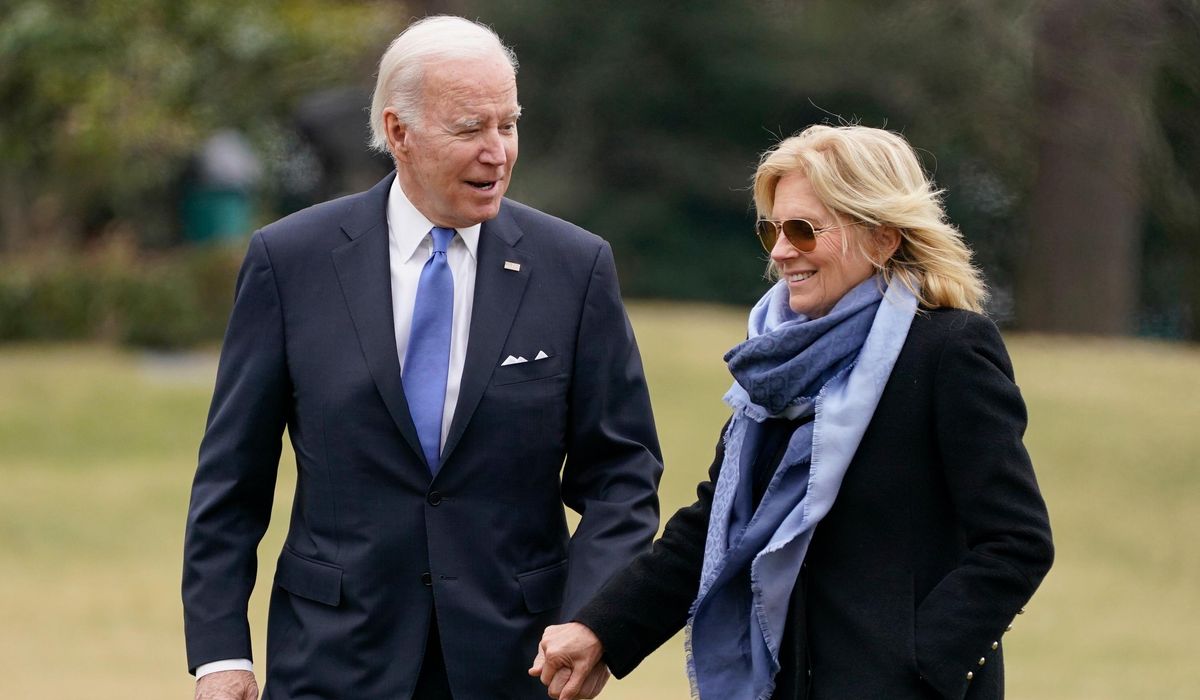
Jill Biden acknowledged signs of President Biden “getting older,” and that statement framed his decision to end a second-term run, sparking a debate about age, leadership, and transparency.
Former first lady Jill Biden said former President Joseph R. Biden was showing signs of “getting older” before dropping his bid for a second presidential term. That line landed plainly and without spin, and it already shifts how voters and pundits will talk about the president’s time in office. In conservative circles, the comment is being treated as confirmation of concerns many have raised about stamina and clarity in the White House.
Republicans have long argued that age matters for the presidency because the job demands sharp judgment and steady energy. Those points are getting renewed attention after a candid admission from someone inside the First Family. This isn’t about personal attacks; it’s about the practical need for a leader who can handle daily pressures and global crises without question.
The timing of the remark, coming before the decision to withdraw from a second presidential bid, adds weight to the argument that the administration recognized limits it could no longer ignore. Voters deserve straightforward answers about how decisions like that were reached and who evaluated the president’s ability to continue serving. Transparency would help restore confidence among skeptical Americans who want a clear accounting of leadership readiness.
On the political side, Democrats now face the challenge of explaining a pullback that some will see as an admission of weakness. Party strategists must decide whether to treat the moment as a private family concern or a matter of national consequence. Republicans will push the narrative that leadership stability matters more than party loyalty, and they’ll argue for higher standards across the board.
Beyond electoral fallout, there’s a governance question: how do institutions plan for leadership transitions when age becomes a factor? The Constitution provides mechanisms, but public trust depends on how candidly those mechanisms are used. For conservatives who stress accountability, the core issue is making sure power is exercised responsibly and with clear oversight.
Another angle is the human one. Aging affects everyone, and family members notice changes long before the public does. A sensible conservative approach recognizes compassion while also insisting that the public interest is paramount. That balance is what voters expect: respect for individuals and firm standards for the office.
What happens next politically will matter for both parties. Republicans can use this moment to underscore calls for clearer vetting and regular disclosures about a candidate’s fitness for office. At the same time, they must avoid petty attacks and instead focus on constructive proposals that reassure voters about who should lead and why.
The broader takeaway for civic life is simple and direct: Americans want leaders who can meet the demands of the job and be honest about their capacity to serve. Jill Biden’s remark has put that question front and center, and it will shape debates about leadership quality for the foreseeable future. For a country facing complex challenges, the insistence on capable, vigorous leadership is not partisan theater; it’s a practical necessity.

