

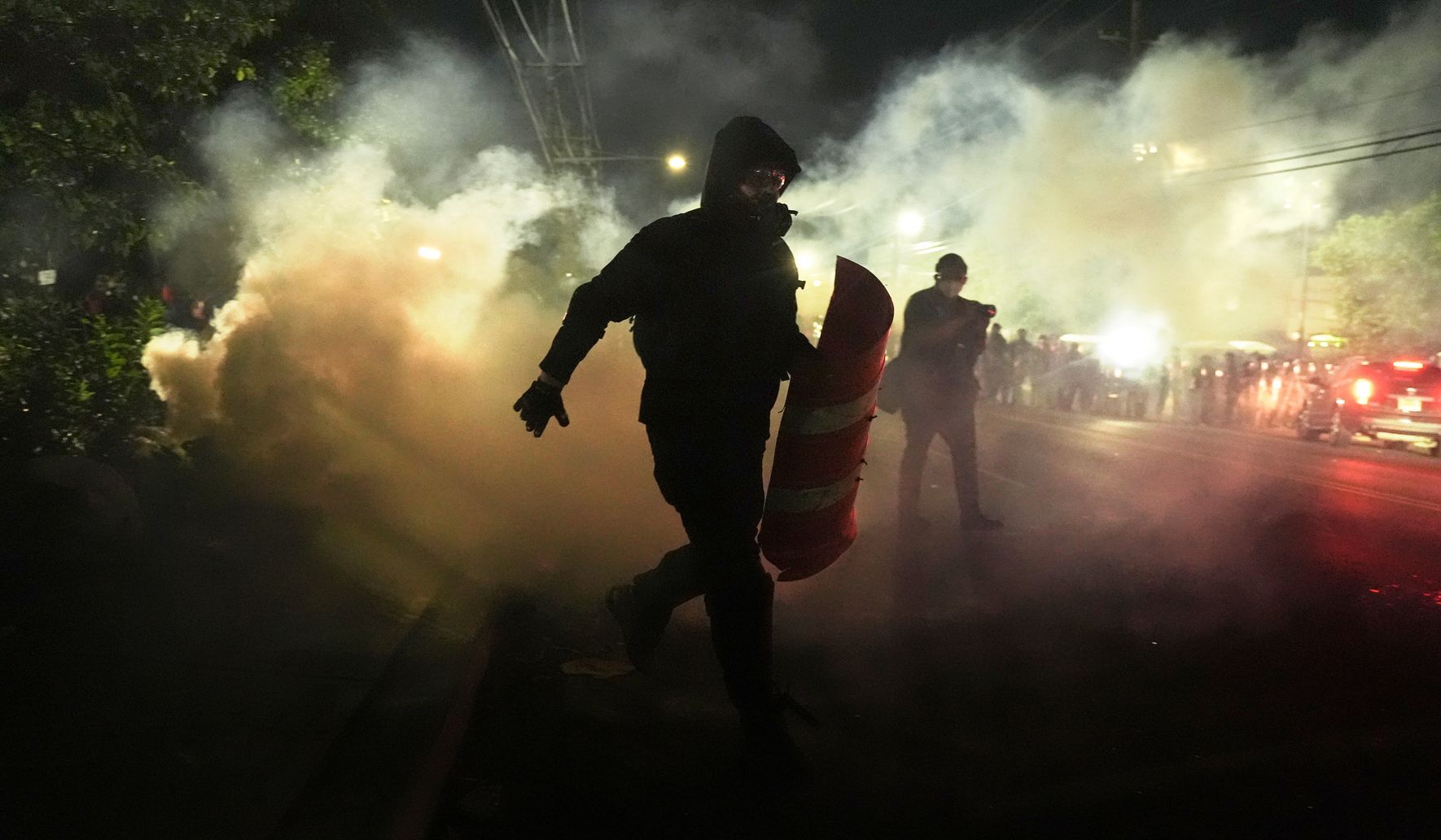
For weeks, confrontations have flared outside a New Jersey immigration detention center, where demonstrators and law enforcement have clashed since late May as protests labeled against President Trump’s immigration policies escalated into a sustained standoff.
The scene outside the New Jersey facility has been tense and noisy, with people drawn by anger at federal immigration enforcement and by a desire to make a public statement. Law enforcement has been tasked with maintaining order while the facility continues to operate under federal rules. Those two priorities bump against each other in crowded street confrontations and carefully managed security perimeters.
From a Republican point of view, the basic problem is a failure to respect the rule of law while expecting the government to perform essential duties. Detention centers exist because the system needs secure places to hold individuals while their cases move through the legal process. Protests are a protected form of expression, but they should not hinder court dates, obstruct officers, or create unsafe conditions for staff and detainees.
Local police and federal agents have had to balance protecting protesters and protecting the people inside the facility. That balance is delicate, and when it tilts toward chaos it undermines public confidence in both civil liberties and public safety. Elected leaders should insist on clear, enforceable rules for demonstrations so that lawful protest can proceed without jeopardizing operations or safety.
There are real human stories behind the headlines, and those deserve attention without losing sight of the legal framework. Families on both sides feel pressure: some want immediate action at the border and in enforcement, others want mercy and different policies. A responsible policy must address security, the integrity of the immigration process, and humane treatment without rewarding lawlessness.
Anyone watching these events should also notice how messaging shapes the moment. Organizers frame the protests as urgent calls for change, while officials frame their response as necessary law enforcement. Both frames matter, but the public interest is served when policy debates happen in legislatures and courts, not in a daily scramble at a detention center gate.
Practically speaking, the nation needs policies that reduce the churn that creates such confrontations. Better border enforcement, clearer asylum procedures, and faster adjudication reduce the number of people held and the pressure on communities. Those solutions respect both sovereignty and compassion by combining firm enforcement with focused reforms to speed lawful outcomes.
Law enforcement needs tools and training to manage demonstrations without escalating violence, and communities need predictable ways to raise grievances without shutting down critical government functions. That means clear liaison roles, communication channels, and consequences for deliberate obstruction. When those systems work, everyone can make their case without turning a detention center into a battleground.
Ultimately, the debates playing out outside that New Jersey immigration detention center reflect broader tensions over immigration policy and civic order. Addressing those tensions requires political leadership that defends the rule of law, improves the immigration system, and protects public safety. The public deserves clear answers and policies that avoid repeated clashes while preserving constitutional rights.

