

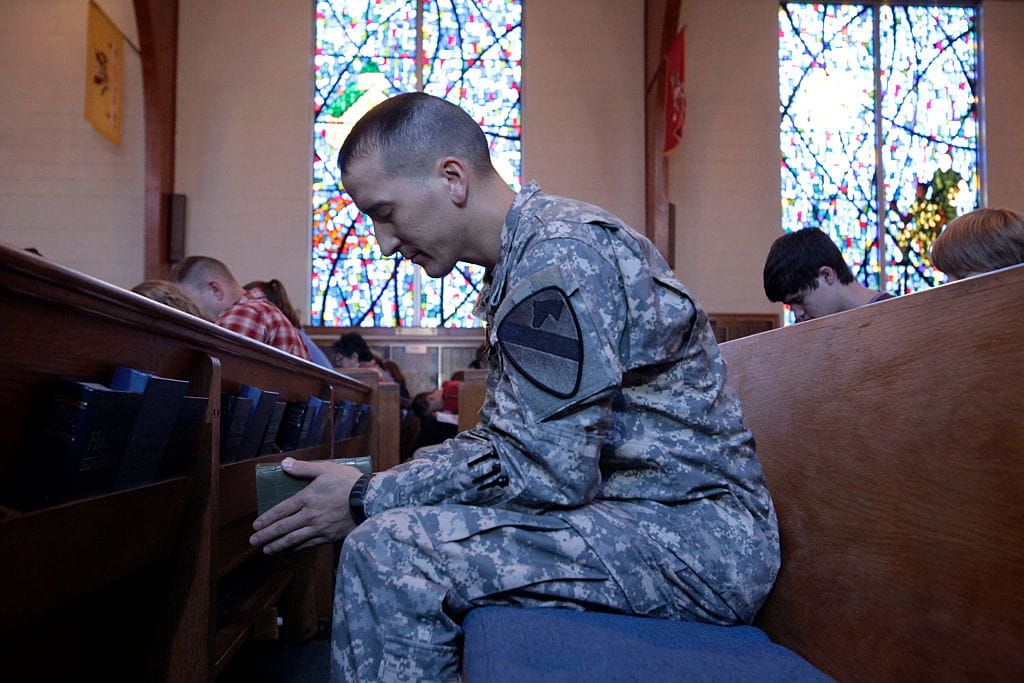
DoD Drops 180 Religions – Denouncing Faiths or Restoring Original Intent? A concise look at the Pentagon’s recent decision, the legal and cultural tensions it exposes, how service members and commanders are affected, and the broader debate over recognition versus accommodation.
The Department of Defense recently removed about 180 religions from a list it uses to manage religious accommodation and recognition for service members, and that move has people talking. Supporters claim the change restores clarity and consistency to a system swollen by self-identified groups, while critics warn it risks alienating troops and trampling genuine conscience rights. The issue sits at the intersection of constitutional guarantees, military readiness, and evolving definitions of faith.
The number 180 is striking and hard to ignore, because it highlights how broad the previous roster had become. For years the DoD allowed a famously inclusive approach, accepting a wide array of named groups for chaplain support, dietary needs, and religious wear. Those accommodations are important, but critics argue the policy drifted far from the original intent of balancing faith practice with unit cohesion and mission readiness.
From a conservative perspective, the concern is not hostility to religion but a defense of common-sense boundaries. When an organization recognizes every niche belief as a template for special rules, commanders face practical headaches that can interfere with training, deployments, and command authority. Republicans and other advocates for a disciplined force want a system that protects conscience without turning every unit into a battleground over lifestyle exemptions.
The legal backdrop matters. The First Amendment and statutes require the military to reasonably accommodate religious exercise unless it undermines readiness or safety. Courts have historically given the armed services leeway on operational matters, but the balance is delicate. Removing entries from a list is a blunt administrative action, so the Pentagon must show it’s enforcing consistent standards rather than singling out particular beliefs.
Service members directly feel the consequences. For some, dropping recognition from the list will mean fewer formal avenues for chaplain support and ritual accommodation; for others, it will mean fewer requests that commanders must adjudicate on a case-by-case basis. Commanders are left to weigh competing obligations: the unit’s mission and the individual’s right to worship. That tension is exactly what the policy change attempts to manage, even if it creates short-term friction.
There are real risks of overreach if the policy is applied without transparency. A properly functioning military needs rules that are clear, fair, and contestable when necessary. The Pentagon should publish criteria for recognition and a predictable appeals path so service members aren’t left feeling arbitrarily excluded. Republicans pushing for accountability want an end to opaque bureaucratic decisions that look like cultural gatekeeping.
At the same time, some critics argue the move could chill religious expression and leave minority faiths without institutional support. That is a serious charge and one that deserves evidence-based response, not reflexive rhetoric. Even from a conservative standpoint, protecting sincere worshipers from needless hardship is consistent with a commitment to religious liberty and unit trust.
Politically, the debate has broader resonance. It taps into wider concerns about how federal institutions handle pluralism and cultural change. Conservatives tend to emphasize objective standards and the need for institutions to function predictably, while opponents worry about exclusion and marginalization. The DoD decision sits awkwardly between those poles and will likely draw scrutiny from lawmakers who want clarity on both constitutional protection and military effectiveness.
Ultimately, this episode demands careful implementation and clear communication from the Pentagon so commanders, chaplains, and troops understand the rules. The key test will be whether the new approach preserves sincere religious practice while keeping the armed services mission-capable. That is a Republican-friendly lens: protect religious freedom, but not at the expense of readiness or orderly command. Jun 8, 2026

