

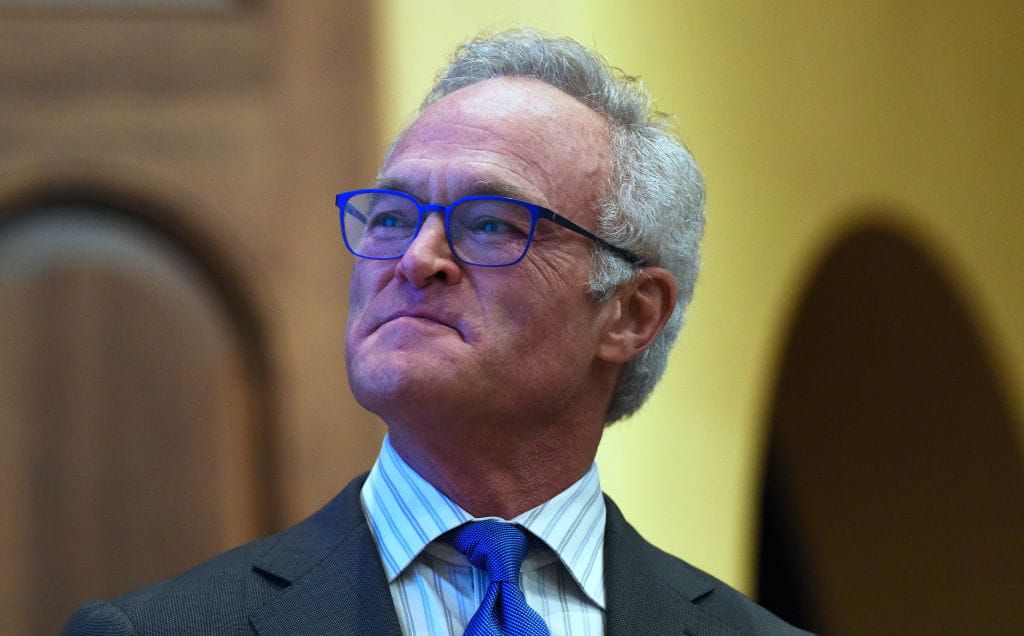
Scott Pelley’s recent remarks after leaving 60 Minutes stirred debate, painted him as a frustrated veteran, and prompted a wider discussion about modern journalism and workplace culture.
Scott Pelley has been a familiar face in broadcast news for decades, and his exit from 60 Minutes has led to a string of pointed comments that grabbed attention. The moment has become less about a single career change and more about how seasoned reporters react to evolving newsroom dynamics. His tone and timing have invited both sympathy and skepticism from observers who follow media closely.
Pelley’s words landed in a high-profile interview that circulated quickly among media insiders and the public. “Pelley unloads in a New York Times interview.” Those six words captured how direct and unvarnished his remarks read to many readers. The line also framed the conversation as a veteran critiquing the industry rather than simply announcing a next step.
The criticism he leveled at changes in broadcast priorities reflects a larger generational tension inside newsrooms. Longtime correspondents often see priorities shift toward speed, clicks, and personality-driven coverage, and that can feel like a betrayal of hard reporting. Pelley’s comments tap into a familiar narrative: old-school investigative standards clashing with a younger, metrics-driven approach.
At the heart of the exchange are questions about respect, compensation, and recognition for journalists who have spent years building credibility. Pelley suggested that loyalty and institutional memory sometimes count for less than they used to, and that reality stings when someone has invested much of their life in a program. Those are not just personal grievances but reflections on how media organizations value veteran staff.
Viewers and colleagues reacted in different ways, with some defending his right to speak out and others pointing to the natural churn in any industry. Change brings tension, and high-profile exits illuminate the fault lines. Whether one agrees with his take or not, the reaction itself tells us a lot about public expectations of television news veterans.
Beyond the personal element, the episode raises practical questions about how programs like 60 Minutes adapt while preserving brand identity. Long-form reporting that digs into complex stories requires time, resources, and editorial patience, and critics worry those ingredients are becoming scarcer. Advocates for robust journalism warn that losing those commitments risks lowering the bar for in-depth reporting across the industry.
The conversation also highlights the role of outlets that amplify these kinds of interviews and how narrative framing shapes public perception. An interview can serve as a launchpad for a broader discussion about culture and standards, but it can also be packaged as a salacious moment to attract attention. How the story is told influences whether the focus stays on policy and practice or drifts into personality-driven drama.
For audiences who care about the health of investigative journalism, the fallout from Pelley’s remarks is a reminder to pay attention to institutional decisions behind the scenes. Staffing, budget priorities, and editorial direction matter, and when a prominent figure raises concerns, it is worth listening to the substance beyond the headlines. The debate prompted by his exit and his candid interview is likely to keep surfacing as newsrooms continue to evolve.

