

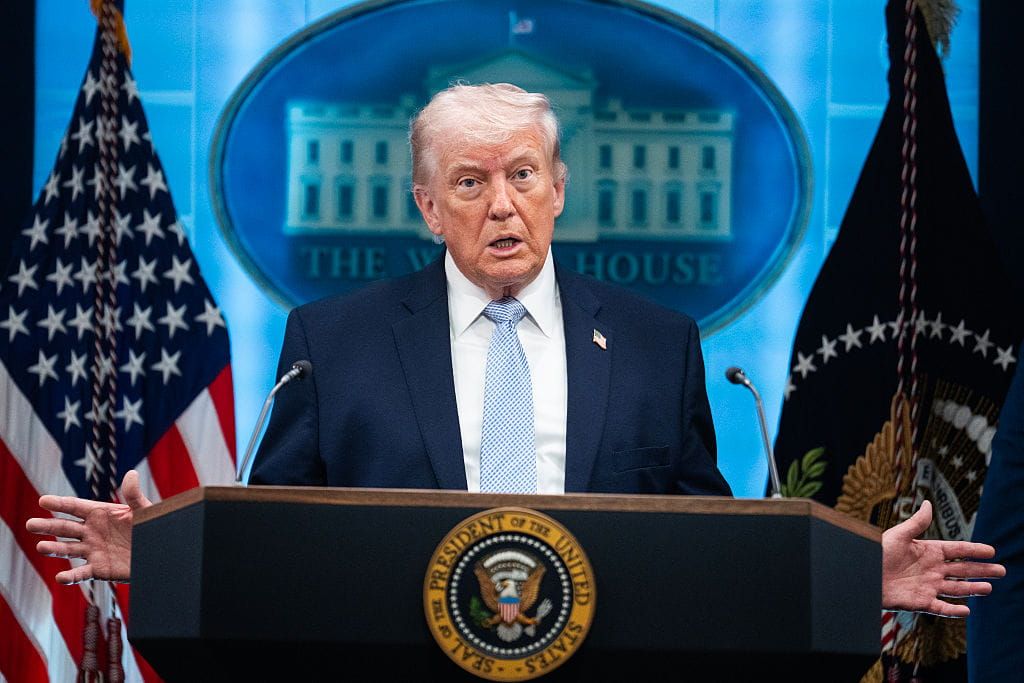
All Trump Is Saying Is Give Peace a Chance — a clear, straightforward take on how a temporary diplomatic pause with Iran could protect American interests while keeping maximum pressure in place.
On Jun 20, 2026, the debate over dealing with Iran boiled down to a single, practical question: do we choose immediate war or a tactical pause that preserves leverage and lives? From a Republican angle, the sensible answer is to press for accountability without jumping into another open-ended conflict. The tone here favors guarded diplomacy backed by forceful deterrence, not naïve appeasement.
That approach is best summed up by a line that should temper alarmist reactions: “The agreement with Iran is not a blank check.” Those words matter because they insist on verification, inspections, and clear consequences for violations. Republicans can support measured talks when they come with ironclad conditions and a commitment to rebuild our strength if Iran cheats.
Critics scream that any negotiation equals weakness, but that’s a false binary. You can pursue talks to reduce immediate risks while continuing a campaign of sanctions, military readiness, and regional partnerships to keep Tehran on edge. Conservative strategy should be about using every tool—diplomacy, economics, and defense—so America doesn’t rush into needless wars that sap our resources.
Policy must be transactional and transparent: inspections on a schedule, snapback penalties, and clear triggers that return us to harsher measures if Iran crosses any red lines. That framework respects voters who want peace but demand it be durable and enforceable. Republicans should insist that any deal includes reporting to Congress and a public timeline tied to verifiable results.
On the ground, allies in the region must see commitment, not capitulation. Strengthening ties with Israel, the Gulf states, and NATO partners keeps America central to any containment strategy and deters reckless behavior. If Tehran calculates that diplomacy is a moment to rebuild its arsenal, the pause will have failed and the real pressure must resume immediately.
Domestic politics play into this too. Conservatives can credibly argue for a policy that avoids open-ended ground wars but punishes bad actors economically and diplomatically. Voters weary of endless conflict want caution and competence, not slogans. Republicans who craft a clear enforcement plan can appeal to both national security hawks and practical-minded citizens.
Keep the tools in the toolbox: sanctions regimes that bite, clandestine operations that degrade capability, and a public posture that signals willingness to use force if provoked. That mix keeps adversaries guessing and prevents the collapse of leverage that often comes with rushed concessions. The aim is to bind Iran’s behavior while buying time to rebuild our advantages.
At the same time, any public messaging must be honest about limits and risks. Overpromising a perfect outcome invites failure; setting strict, measurable goals raises the cost of cheating for Tehran. Sound Republican policy frames a temporary diplomatic window as a test, not a reward, and ties success to concrete, monitored steps.
Conservative leadership should insist on two things: accountability and readiness. Accountability means no loopholes, no secret waivers, and immediate penalties for cheating. Readiness means keeping military options viable and visible so the diplomatic window does not become a cover for rearmament.
This is not about being soft or hard for its own sake; it’s about being smart. A cautious, conditional diplomacy can preserve American lives and leverage if it is enforced by a credible threat and backed by domestic consensus. If the other side refuses fair terms, the plan must make clear the consequences and move quickly to tighter pressure.

