

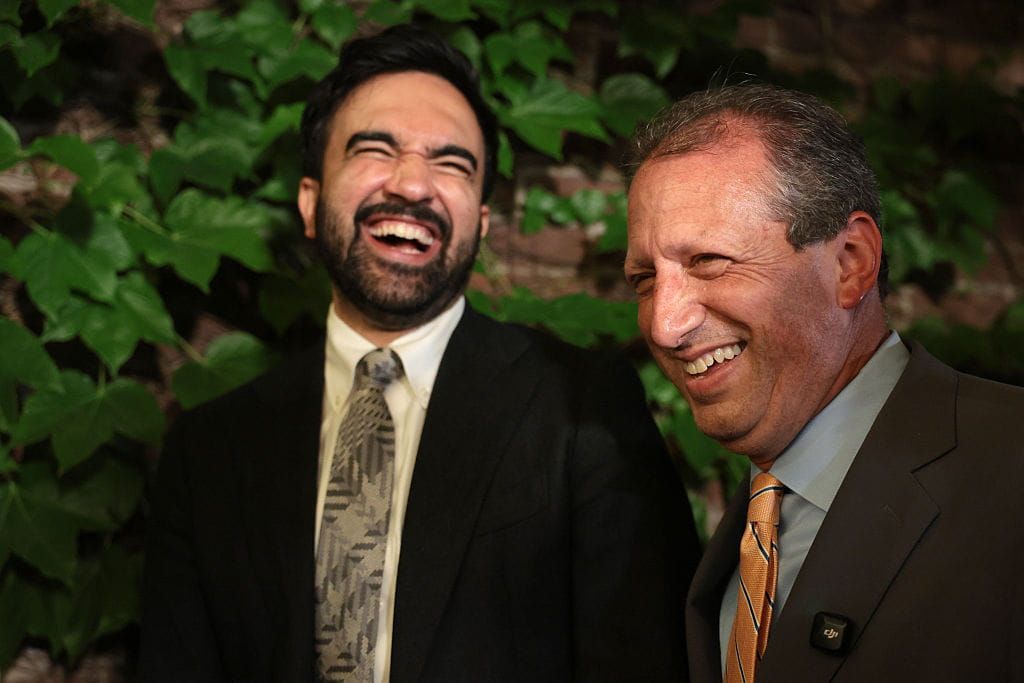
The big winner on Tuesday was New York City Mayor Zohran Mamdani.
On Jun 24, 2026, New York’s primary results made one thing clear: the center is shrinking and the left is consolidating power in unexpected ways. Voters sent a message that the old guard can be beaten at the ballot box, and the winners are pushing an unmistakably socialist agenda. That shift has immediate consequences for city services, budgets, and the politics of the Northeast.
Longtime Democratic moderates who once controlled local politics are now facing real competition from younger, bolder candidates. For voters tired of status quo compromises, that challenge feels like fresh air. For taxpayers and small business owners, though, it raises concerns about higher taxes and tighter regulations that come with a socialist playbook.
Public safety is already a live issue in New York City and other urban centers, and these primary outcomes put policing and criminal justice back at center stage. The socialist approach tends to favor sweeping reforms and reduced enforcement budgets, which some argue could embolden bad actors. Republicans will point to rising crime patterns as proof that law-and-order policies are necessary, not optional.
On budgets and spending, the new crop of winners favors ambitious programs funded by steep revenue grabs. That usually means higher taxes on the middle class and businesses at a time when families are still recovering from economic shocks. Expect sharp debates over payroll taxes, corporate levies, and expanded benefit programs that may be politically popular but economically risky.
Housing and transit are everyday concerns for New Yorkers, and socialist proposals promise aggressive intervention in both areas. Rent control expansions, greater tenant protections, and heavy-handed construction limits sound helpful on paper but often worsen supply shortages. Transit funding that prioritizes ideology over efficient operations could also slow repairs and service improvements that riders need.
Union influence grows stronger under a socialist wave, and that has mixed results for consumers and taxpayers. Unions can raise wages and safeguard workers, which is positive when balanced with productivity gains. But when unions lock in protections that stifle flexibility, they can raise costs and reduce responsiveness in essential public services.
Democratic infighting is inevitable after these primaries, since the party must reconcile moderates with insurgent socialists. That tension could weaken their ability to govern and open opportunities for conservative messaging on competence and fiscal restraint. Republicans should focus on clear contrasts: practical results versus ideological experiments.
Voter turnout patterns deserve attention, because primary winners often owe success to energized bases rather than broad coalitions. That dynamic rewards bold promises and punishes incrementalists who fail to excite voters. The risk is that winners will govern for a narrow slice of the electorate instead of building durable majorities.
National implications are real: what happens in New York shapes narratives for other Democratic strongholds. Republican strategists can use these results to argue that Democrats are drifting too far left for swing voters in suburbs and exurbs. If the socialist brand spreads unchecked, it could cost Democrats in competitive districts come November.
Republicans must also prepare for a policy battlefield where cultural issues intersect with economic ones. The new leadership will lean into identity and redistribution politics, creating flashpoints on school curricula, policing, and public funding priorities. Messaging that ties policy failures to real-world impacts—higher costs, delayed services, and public-safety concerns—will resonate with pragmatic voters.
There’s an accountability test coming fast: governing is harder than campaigning, and the promises of sweeping change will meet the reality of limited budgets and complex bureaucracies. When proposed programs collide with fiscal constraints, voters will see choices more clearly. That’s the opening Republicans need to press the case for restraint and competence.
For now, the takeaway is simple and uncomfortable for the political establishment: the era of safe incumbency is ending and ideological clarity is shaping outcomes. New York’s primary winners signal a new battlefield for the next general elections, and both parties will need tough answers. The city’s future depends on whether bold promises translate into effective, affordable governance.

