

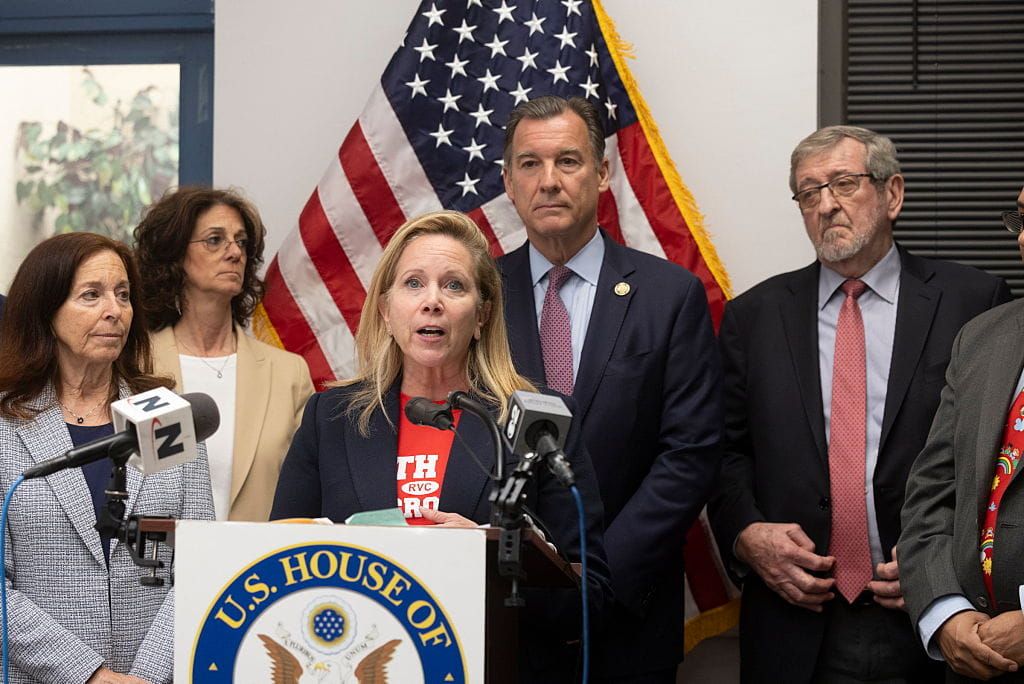
Moderate Democrats have circulated a “Promise to America” declaring a return to mainstream policies, signaling resistance to far-left priorities as a small, but potentially meaningful, group stakes out a different path within the party.
On Jun 28, 2026, a growing band of Democrats unveiled a compact meant to distance themselves from socialist policies and restore a more centrist approach to governance. The document names concrete priorities while rejecting sweeping government takeovers, and it has drawn attention from voters and pundits across the aisle. Republicans are watching closely to see whether this is earnest reform or a symbolic gesture aimed at calming nervous neighborhoods.
The declaration landed with the blunt line “15 signers and counting – but is it too little, too late?” and that skepticism matters. Fifteen lawmakers is enough to grab headlines, but not enough to reshape caucus agendas. From a Republican perspective, the move is interesting but hardly decisive until it influences committee votes or funding bills.
The Promise to America frames itself around practical concerns: fiscal responsibility, secure borders, and policies that reward work rather than expand entitlement promises. Moderate Democrats pitch this as a course correction from policies like Medicare for All and radical climate plans that would dramatically increase federal control. Republicans see an opening to press on contrasts, emphasizing smaller government and market-driven solutions.
Internally, the effort exposes a split that has been widening for years between progressive activists and lawmakers who worry about electability. The moderates argue that embracing more mainstream positions improves chances in swing districts and appeals to independent voters. Conservatives welcome the tension, as it creates a clearer choice for voters in the midterms and on the campaign trail.
Policy specifics matter here, and the Promise to America tries to walk a line: reject extreme proposals while endorsing targeted investments in infrastructure, manufacturing, and workforce development. Republicans remain skeptical about the scale of those investments and their funding mechanisms, especially when promises are paired with vague revenue plans. Fiscal hawks on the right demand transparency about offsets and long-term budget impact.
Political theater alone won’t win or lose an election, but commitments do shift the dynamics of debate. If moderates translate their pledge into votes, they could block legislation that leans too far left and force negotiations that limit spending. For Republicans, that means opportunities to forge bipartisan deals that restrain government growth and protect individual liberties.
Electoral math is a separate but related factor. Moderate defections or independents in tight districts can determine control of the House or Senate, and centrists sometimes act as kingmakers. However, a handful of signers does not guarantee discipline or long-term cohesion, and party leaders on both sides know that caucus unity often evaporates under pressure from donors and activists.
Voters are unpredictable, and the promise must be credible to sway them. Conservatives point out the risk of empty rhetoric: a pledge that avoids specific roll-call commitments can be spun as political cover without consequence. The Republican response highlights past instances where public pledges failed to constrain spending or stop regulatory overreach.
Media coverage so far has treated the announcement as a story about intra-party conflict more than a policy revolution. That suits Republicans fine, since attention diverted to Democratic infighting gives conservative candidates space to sharpen their message. Still, if moderates start to influence budgets or roll back radical proposals, the long-term implications could be more substantial.
From a governing standpoint, the critical test will be whether the Promise to America produces legislative restraint and accountability. Republicans favor transparency on how any proposed investments are paid for and whether they expand permanent federal programs. The parties disagree fundamentally on the proper size and role of government, and this announcement simply makes that divide more visible.
At the grassroots level, conservative activists are likely to capitalize on the split by contrasting their platform with both the progressive wing and the moderate signers. That dual pressure can squeeze Democrats from two sides, but it also raises the stakes for Republicans to present tangible, limited-government alternatives that resonate with working families. The real question is whether voters reward restraint or rhetoric at the ballot box.
Ultimately, the Promise to America is a political statement that will be judged by action, not prose. For Republicans, it offers both a talking point and a test: hold moderates to their words and expose any backsliding. The coming months will tell whether this modest movement reshapes policy debates or fades as another temporary alignment in a fractious era of party politics.

