

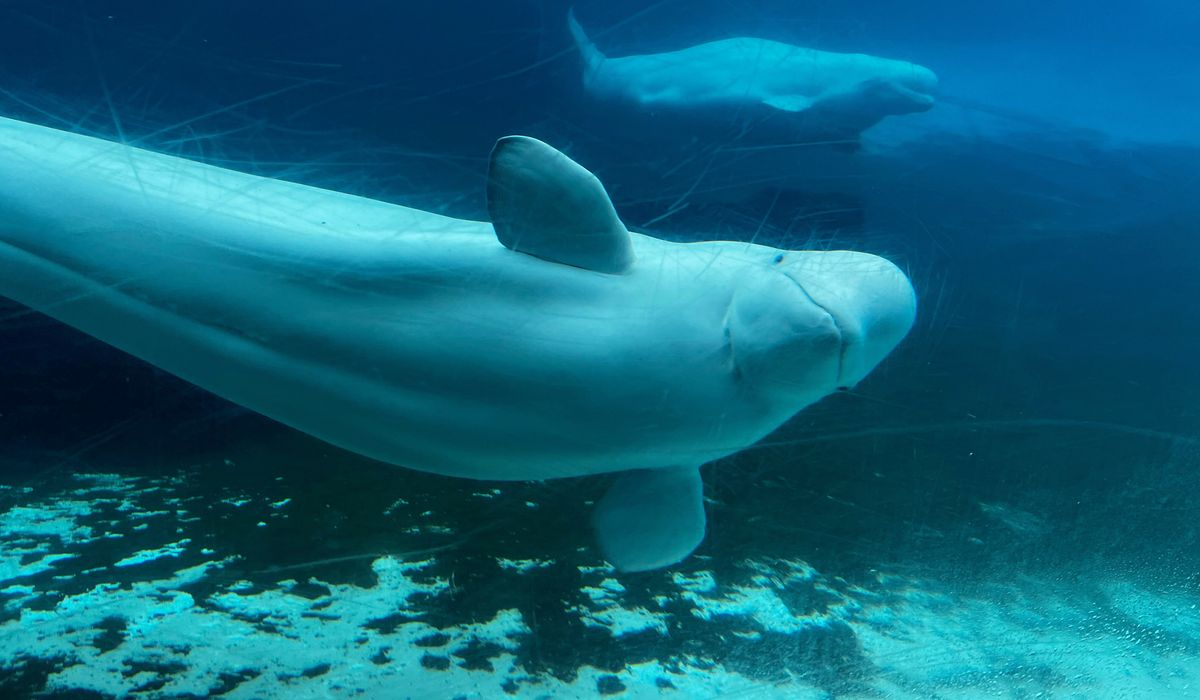
The National Oceanic and Atmospheric Administration has approved plans to relocate 28 beluga whales from a closed Canadian theme park. The decision sets a path for moving these animals out of a defunct attraction and into carefully planned new homes with veterinary oversight and regulatory checks.
This approval marks a significant step in a complex animal relocation effort. Officials approved the plan after reviewing welfare considerations and the logistics of international transport. The scope covers 28 belugas that have been living at a closed Canadian theme park.
Moving large marine mammals across borders is not simple and it is not fast. Teams will need to coordinate air and sea transport, design containment and support systems, and ensure continuous veterinary care. Every phase must meet stringent standards to protect the animals and the crews involved.
Veterinarians and marine mammal experts typically evaluate each whale’s health, behavior, and ability to travel. Conditioning sessions, specialized crates, and monitoring equipment are standard parts of the process. The goal is to keep stress low and physical risk minimal while the animals move to new facilities.
Where the whales will go matters for long-term welfare and public trust. Suitable receiving facilities must offer space, enrichment, and medical programs tailored to belugas. Authorities will only greenlight destinations that demonstrate capacity for both short-term care and longer-term planning.
International moves require paperwork and legal clearances in addition to animal health permits. Customs, wildlife authorities, and transport regulators must sign off on the route and procedures. That paperwork often includes contingency plans for delays or medical issues during transit.
Community interest and advocacy groups frequently weigh in on these transfers, raising concerns about welfare and transparency. Officials say they will maintain public reporting and oversight throughout the relocation. Clear communication helps reduce misinformation and keeps the focus on animal care.
Funding and logistics support are critical pieces of the puzzle. Transporting large marine mammals involves specialized vehicles, trained teams, and contingency medical supplies. Securing financing and coordinating across agencies will determine how quickly the plan moves forward.
Post-arrival care is as important as the journey itself, with tailored programs to help belugas acclimate. New environments require careful introduction protocols, monitoring for stress-related behaviors, and adjustments in social groupings if needed. Ongoing veterinary checks help ensure the animals adapt and thrive in their new settings.
Regulatory agencies often require independent experts to review outcomes after the move. Those follow-ups verify that the welfare objectives were met and document lessons for future relocations. Transparent reporting provides a record that can inform policy and best practices going forward.
Relocating 28 belugas from a closed attraction will test coordination between governments, animal care teams, and transport specialists. Success depends on meticulous planning, professional execution, and a willingness to adapt when conditions change. The approved plan is the start of that work, not the finish line.

