

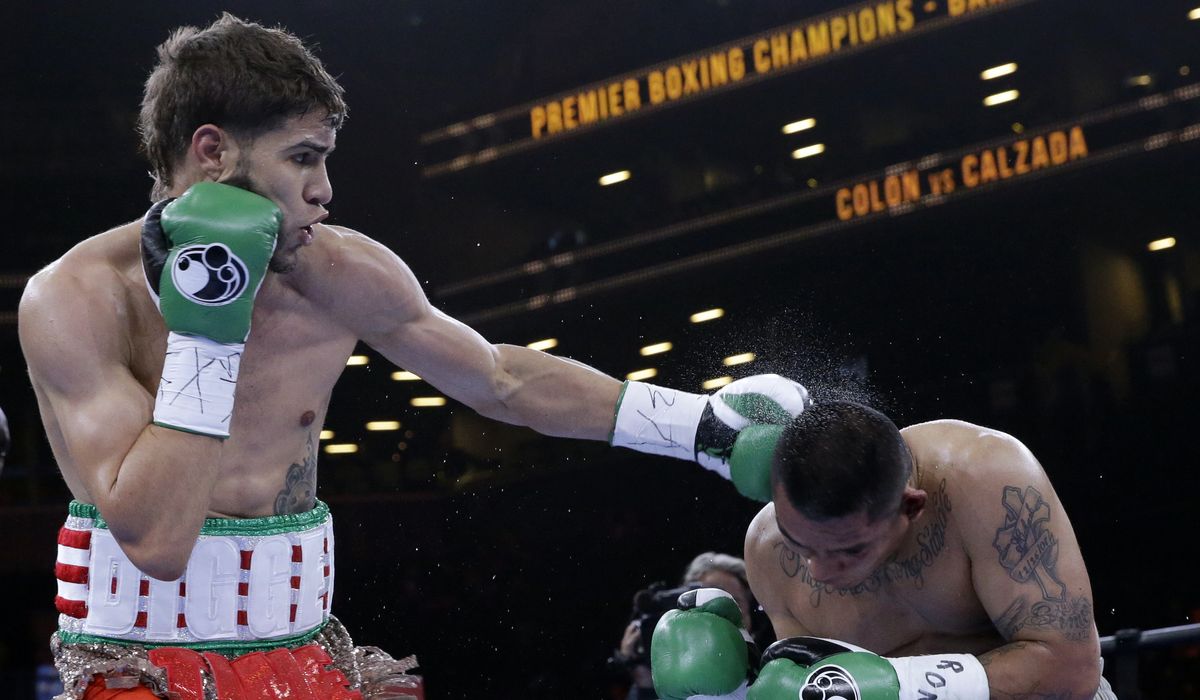
Prichard Colon, who was left in a persistent vegetative state after absorbing a string of illegal blows during a 2015 bout, has died at 33; this article reviews the arc of his career, the injury and its aftermath, the reaction from the boxing world, and the questions his case raised about fighter safety and oversight.
Prichard Colon rose through the amateur ranks with a reputation for power and heart, earning attention as a contender with real upside. His trajectory looked promising, with observers noting a blend of athleticism and grit that can carry a fighter far. That promise was tragically cut short in 2015, when a series of illegal blows during a bout left him gravely injured and unable to return to the ring.
The injury left Colon in a persistent vegetative state, changing the course of his life and the lives of those around him overnight. What followed was a long, difficult period of hospitalization, care and legal complications, as family and supporters tried to navigate a world of medical bills and uncertain outcomes. The phrase persistent vegetative state came to define both his condition and the long shadow cast over his potential career.
News of his death at 33 has prompted an outpouring of sorrow from fans, fellow fighters and members of the boxing community who remember his rise and lament the way it ended. Many recall his early fights and the palpable sense that he was building toward something big. That sense of loss is tied as much to what he accomplished as an athlete as to the life that was taken from him by those illegal blows.
The 2015 incident exposed uncomfortable questions about how fights are overseen and how quickly referees and commissions act to protect fighters. Critics point to lapses in enforcement and argue for clearer, faster protocols to stop foul play in the moment. Supporters of stronger oversight say Colon’s case shows why those systems are necessary, while others call for better education and harsher penalties for egregious in-ring violations.
Medical care for traumatic brain injuries in combat sports remains a fraught, evolving field, and Colon’s situation highlighted the long-term needs of fighters who suffer catastrophic harm. Families in similar circumstances often face years of caregiving and mounting expenses, even as they hold out hope for improvement. Advocates say the sport should do more to support injured fighters beyond immediate emergency treatment.
There has also been debate about disciplinary consequences after fights where illegal blows occur, with some arguing that sanctions should be swifter and penalties stiffer to deter dangerous behavior. The balance between the heat of competition and the duty to protect fighters is a recurring tension in boxing. Colon’s case frequently comes up in those conversations as an example of what can go wrong when rules fail to prevent or appropriately punish foul conduct.
For boxing fans and insiders, the emotional impact of losing a young athlete under such tragic circumstances has been palpable. Social media and message boards filled with remembrances of his amateur highlights and the drive he showed in the ring. The sympathy extends beyond immediate acquaintances; many people saw in Colon’s story a broader warning about the risks fighters accept every time they compete.
His family’s resilience over the years drew attention, too, as they managed care and public attention while trying to preserve privacy and dignity. That private struggle became public in moments, prompting donations, benefit efforts and calls for systemic changes aimed at providing better long-term support to injured athletes. Those conversations continue as new cases and new medical findings emerge.
As governing bodies and promoters revisit safety protocols, Colon’s case remains a touchstone for advocacy groups and reformers pushing for change. Proposals range from improved referee training and stricter in-ring enforcement to expanded medical insurance and guaranteed post-injury support. Whether those reforms will gain the necessary momentum remains unclear, but the debate is more urgent because of stories like his.
Ultimately, the news of Prichard Colon’s death at 33 is a reminder of the human costs behind headlines and highlight reels. The facts of his injury and the years that followed are simple and painful: a promising career, a 2015 bout with illegal blows, and a life lived in a persistent vegetative state until his passing. The larger questions his case raises about safety, oversight and care in combat sports are still very much alive.

