

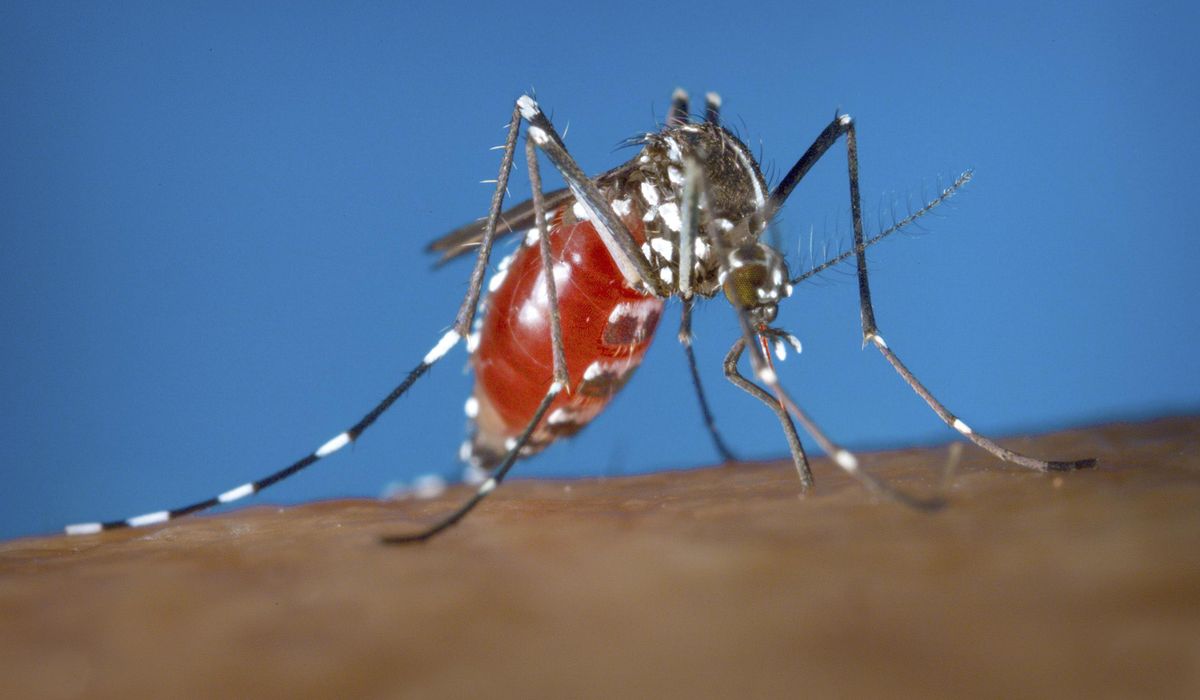
Health officials in the Tampa Bay area are warning residents about a rise in locally acquired dengue cases, urging vigilance as public health teams step up surveillance and mosquito control efforts.
Local authorities are reporting an increase in dengue infections that were contracted within the community rather than imported from travel. The uptick has prompted health officials to alert neighborhoods across the Tampa Bay area and to coordinate inspections and targeted vector control where cases have been detected.
Dengue is a mosquito-borne viral illness transmitted primarily by Aedes species mosquitoes, which are active during the day. Symptoms typically include high fever, severe headache, pain behind the eyes, joint and muscle pain, rash, and sometimes mild bleeding from the nose or gums.
When transmission is described as locally acquired, it means someone was infected by a mosquito that bit an infected person nearby, then spread the virus within the same area. That pattern highlights the importance of localized mosquito control and rapid identification of cases to prevent further spread.
Public health teams are increasing surveillance to find and confirm new cases, working with clinics and hospitals to test suspicious illnesses. Vector control units may inspect properties, treat breeding sites, and apply targeted larvicides or adulticides in affected zones as part of standard containment work.
Residents are being reminded of routine precautions to reduce mosquito habitat around homes, such as removing standing water from containers, maintaining pools and gutters, and keeping yards tidy. Personal protection measures include using EPA-registered insect repellent, wearing long sleeves and pants when practical during peak mosquito hours, and ensuring window and door screens are intact.
Anyone who experiences symptoms consistent with dengue should seek medical evaluation so providers can test for the virus and monitor for complications. Warning signs that suggest severe dengue include severe abdominal pain, persistent vomiting, rapid breathing, bleeding from the gums or nose, and extreme fatigue; these symptoms warrant immediate medical attention.
Clinicians in the region are being reminded to consider dengue in patients with compatible symptoms, especially during periods of increased local transmission. Accurate diagnosis helps public health officials map spread, identify hotspots, and guide control measures to limit new infections.
Environmental and travel patterns influence dengue’s reappearance in parts of the United States, and seasonal shifts can change mosquito abundance and human exposure. The current local transmission in Tampa Bay underscores the need for coordinated public health action and community awareness to reduce mosquito-borne infection risk.

