

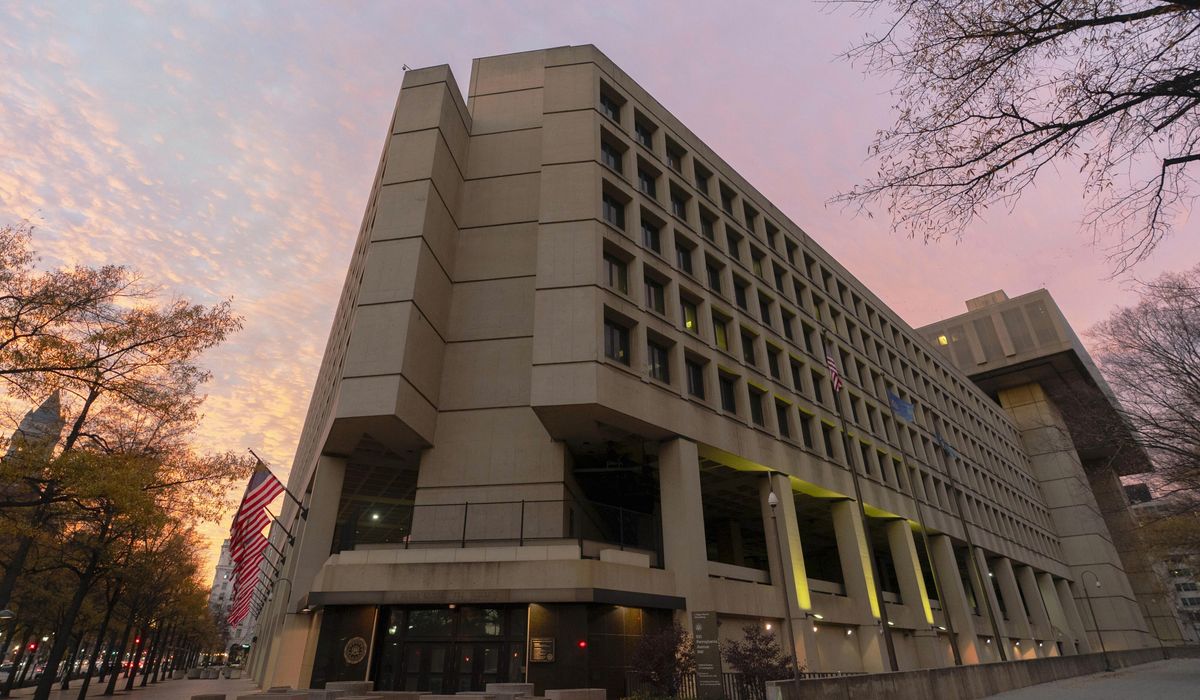
A federal judge blocked FBI Director Kash Patel’s plan to move the bureau’s headquarters down the street to the Ronald Reagan Building, ruling that he violated laws that govern how federal sites are chosen.
The ruling stopped a high-profile attempt to relocate the FBI headquarters to the Ronald Reagan Building, and it landed as a clear rebuke from the bench. For many conservatives, the decision raises questions about who gets to control operational choices at the bureau. The court said the move ran afoul of statutory site-selection rules, and that was enough to halt it.
The director had argued that relocating would improve operational efficiency and reduce costs tied to a sprawling footprint. Republicans saw the plan as a reasonable, pragmatic step to modernize and consolidate resources. Instead of a debate about mission needs, the fight turned into a legal tangle over process and compliance with long-standing site-selection statutes.
This is not just about a building. It touches on who sets priorities for law enforcement operations and how much discretion leadership has when making practical choices. Critics of the judge’s intervention will say it elevates procedural technicalities above common-sense fixes. Supporters of the ruling insist the law is the law and the process must be followed to protect public interest.
The fallout matters for oversight and accountability on both sides. If directors can be blocked for procedural lapses, future leaders may be reluctant to make bold administrative moves, even when those moves are clearly aimed at improving mission performance. On the other hand, keeping firm rules on site selection prevents ad hoc decisions driven by political preference or short-term convenience.
Practical concerns were central to the original plan to move “down the street” to the Ronald Reagan Building, which supporters claimed would keep operations centralized and secure. People who work within the system pointed to the benefits of bringing staff and support closer together. Opponents countered that statutory safeguards exist to ensure such changes are justified, transparent, and in the public interest.
The judge’s decision emphasized statutory compliance, not necessarily the wisdom of the relocation itself. That distinction matters, but it does not make the ruling any less disruptive for leadership trying to implement change. For conservatives who prioritize efficient government, it’s a frustrating example of how red tape can stand in the way of practical solutions.
There’s also a political angle that colors this debate. When leadership seeks to alter longstanding arrangements, partisan lines can harden quickly, turning what might be an administrative matter into a headline-grabbing fight. That dynamic risks overshadowing legitimate conversations about cost savings, resource alignment, and operational security that originally motivated the proposal.
The ruling will likely prompt careful reviews of how site-selection rules are interpreted and applied to future proposals. Agencies may respond by adjusting processes, documenting decisions more exhaustively, and engaging stakeholders earlier to avoid legal pushback. The practical lesson is clear: even seemingly modest moves require meticulous compliance if they are to survive judicial scrutiny.
For now, the FBI remains where it is, and the director’s relocation idea sits on hold after the court found the process inadequate. That outcome leaves open questions about who decides administrative changes and how those choices get made. As this episode continues to reverberate, expect renewed attention on the balance between leadership discretion and statutory guardrails that shape federal operations.

