

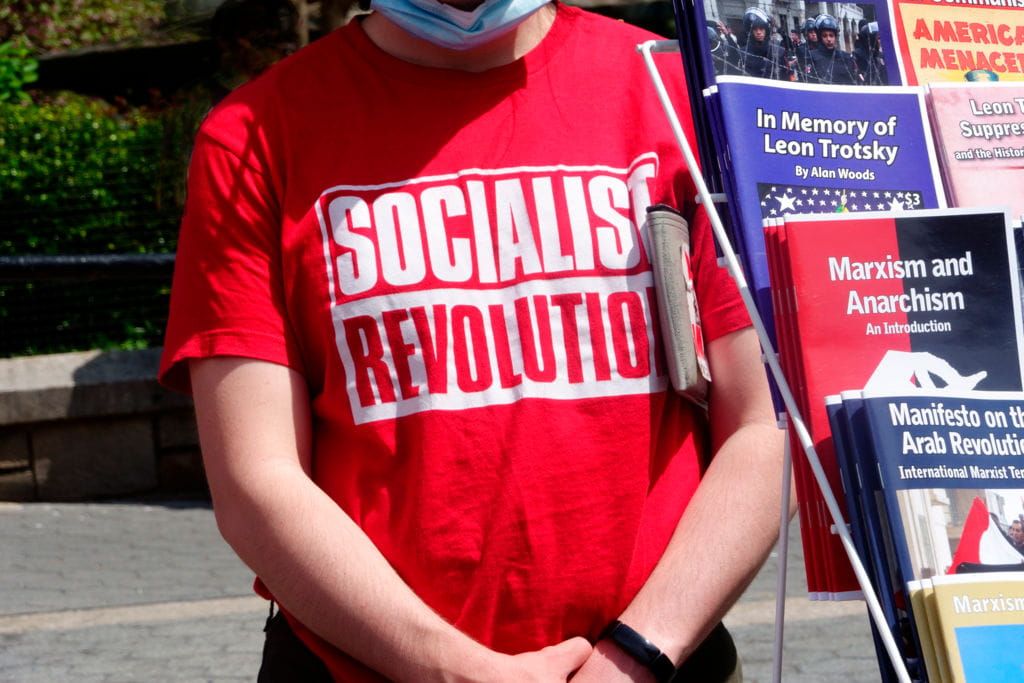
The case against socialism is framed here with direct examples and clear warnings for those still convinced by its promises.
Socialism sells a tidy picture: more fairness, less worry, and solutions handed down from experts. In practice, it concentrates power with a small political class that decides who gets what and when. That concentration shrinks individual freedom and leaves ordinary people dependent on an often indifferent bureaucracy.
Promises of universal goods sound noble but ignore human incentives and the cost of centralized control. When the state controls production, shortages and inefficiencies follow because planners cannot match the dispersed knowledge markets produce. Those losses are paid for by entrepreneurs, taxpayers, and the next generation through slower growth and fewer opportunities.
The rhetoric around redistribution often frames wealth as a moral failing rather than the result of risk-taking and service to others. Punishing success to create equality of outcome destroys the reward structure that motivates innovation. Over time, that turns societies into places where mediocrity is safe and excellence is discouraged.
“The promises are empty, and the promisers are not who they pretend to be.” That line cuts to the core: charismatic leaders offer grand plans and scapegoats while consolidating power. Supporters who trade liberty for short-term security discover they have replaced private initiative with political favors and administrative rule.
History shows the pattern: initial enthusiasm, followed by complicated bureaucracy, followed by coercion. Even with the best intentions, central planning cannot adapt quickly to people’s needs. The result is not utopia but a slow erosion of personal autonomy and local problem solving.
Political authority that grows to meet broad economic goals rarely shrinks on its own. Once programs and agencies are in place, they develop constituencies and budgets that resist reform. That institutional inertia locks in policies that were once sold as temporary fixes.
Defenders of socialism often point to compassion and solidarity, and those are values many of us share. But compassion enforced by the state is different from voluntary charity operating in civil society. A marketplace of private generosity, civic groups, and faith-based efforts responds to needs with flexibility that top-down systems cannot match.
There is also a moral hazard in promising cradle-to-grave support: people respond to incentives. If outcomes are guaranteed regardless of effort, important social norms like responsibility and stewardship weaken. Strong communities nurture resilience and personal accountability, not dependency on centralized handouts.
Practical policy alternatives exist that protect those in need while preserving liberty and growth. Targeted safety nets, tax structures that reward work, and regulatory reform can reduce poverty without handing the keys of the economy to a political elite. The debate should focus on outcomes and incentives rather than slogans and simplified narratives.
The conversation matters now more than ever as proposals for expansive government control gain new attention. Citizens ought to question who benefits from larger state power and who pays the long-term price. A free society depends on informed choices, not on seductive promises that ignore tradeoffs and human nature.

