

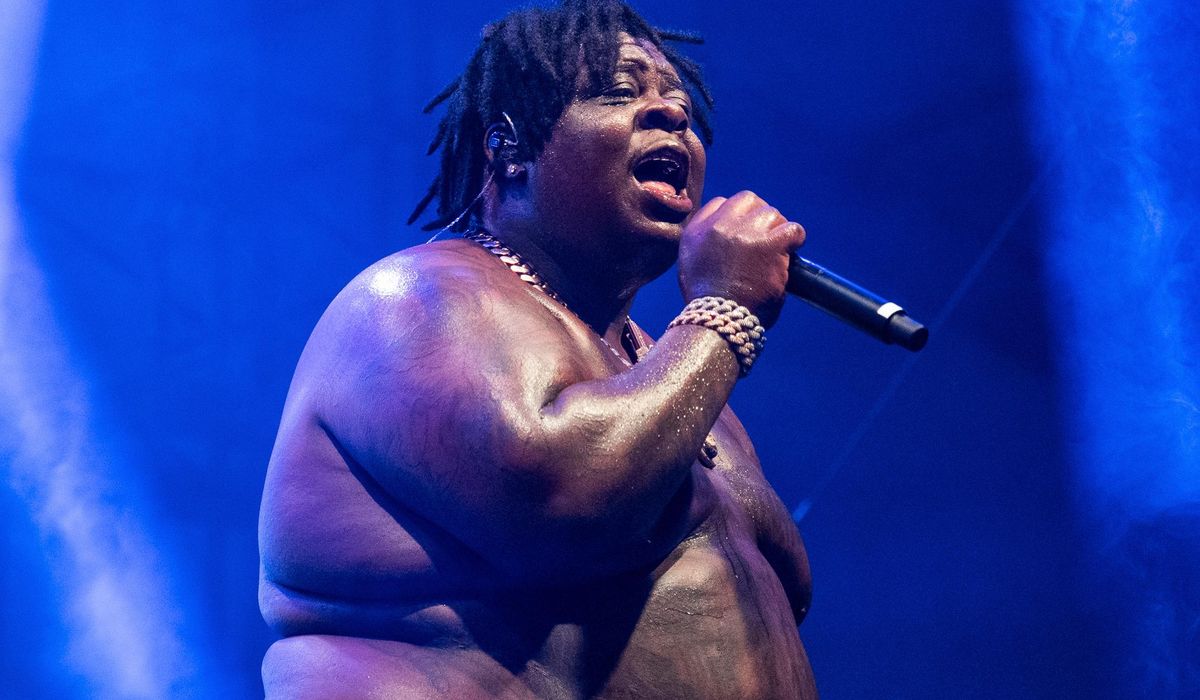
Dallas rapper BigXthaPlug was arrested in Texas on Friday and faces charges of driving while intoxicated, marijuana possession and unlawful possession of a firearm, according to initial reports, with authorities confirming the arrest but offering few immediate details.
The arrest of BigXthaPlug landed him back in the headlines and raised questions about what comes next for the artist and his legal situation. Fans and observers spotted the initial reports quickly, and the story began to circulate across social platforms. Authorities listed the three charges, setting the stage for standard booking and arraignment procedures.
Driving while intoxicated remains a serious misdemeanor or felony depending on circumstances, and the presence of a firearm can complicate a case significantly. Marijuana possession charges in Texas carry penalties that vary with the amount involved and any prior convictions. Unlawful possession of a firearm is treated aggressively in many jurisdictions, so the combination of counts means the legal path could be more complex than a single traffic matter.
Being identified as a Dallas rapper ties the case to a public persona, which often shapes media coverage and public reaction. Musicians and public figures face added scrutiny when legal troubles surface, and that scrutiny can influence how the story spreads. That attention does not alter legal process, but it does affect perception and sometimes the speed with which information becomes public.
Immediate details such as booking photos, bond amounts, or scheduled court dates were not broadly reported at the time the arrest was revealed. Those items typically appear in official records or through court filings once processed, so updates usually follow in the days after an arrest. Until those records are confirmed, specifics remain limited and subject to verification.
Lawyers often urge caution in public commentary because initial charges are allegations that must be proven in court. Defendants retain constitutional protections, including the right to counsel and the right to a fair hearing. Many high-profile cases involve negotiations or motions before reaching trial, and defense strategies can vary widely based on evidence and local law.
Public reactions ranged from concern among longtime supporters to criticism focused on the alleged actions. Social media plays a big role in how such news is digested and debated, with reactions often mixing fact, rumor and opinion. That environment can create pressure on both legal teams and public relations handlers to respond promptly and carefully.
For the artist’s career, an arrest can have immediate and longer-term effects, depending on outcomes and public relations responses. Some artists weather legal troubles with limited damage, while others face stalled projects, canceled appearances or strained industry relationships. How the situation is managed by the artist, management and legal counsel can influence the practical fallout.
When firearms and controlled substances are involved, prosecutors may pursue enhanced charges or combine counts in ways that increase potential penalties. Texas law has specific provisions that can affect sentencing and pretrial detention decisions, and prosecutors often consider prior records or aggravating factors. The presence of multiple charges typically means prosecutors will evaluate the case on several fronts before deciding on plea offers or trial plans.
Community members and collaborators sometimes issue statements or pause public engagements until more is known, and businesses tied to a public figure may reassess promotions or partnerships. The entertainment industry responds to legal uncertainty in practical ways, from postponing releases to adjusting marketing plans. Those decisions can ripple beyond the individual case and affect associated workers and vendors.
Legal experts note that early public reports should be taken as preliminary, with the understanding that charges can be altered, dropped or resolved through plea agreements. Court records and formal filings provide the most reliable account of how a case progresses. Observers and fans will likely follow updates as formal proceedings move forward and official documents become available.
Next steps typically include an arraignment, possible bond hearings and pretrial motions, each shaping the timeline for resolution. Defense teams may request discovery, challenge evidence or negotiate with prosecutors depending on the facts. The case will develop through the local court system, and outcomes will depend on the strength of the evidence and actions taken by both sides.

