

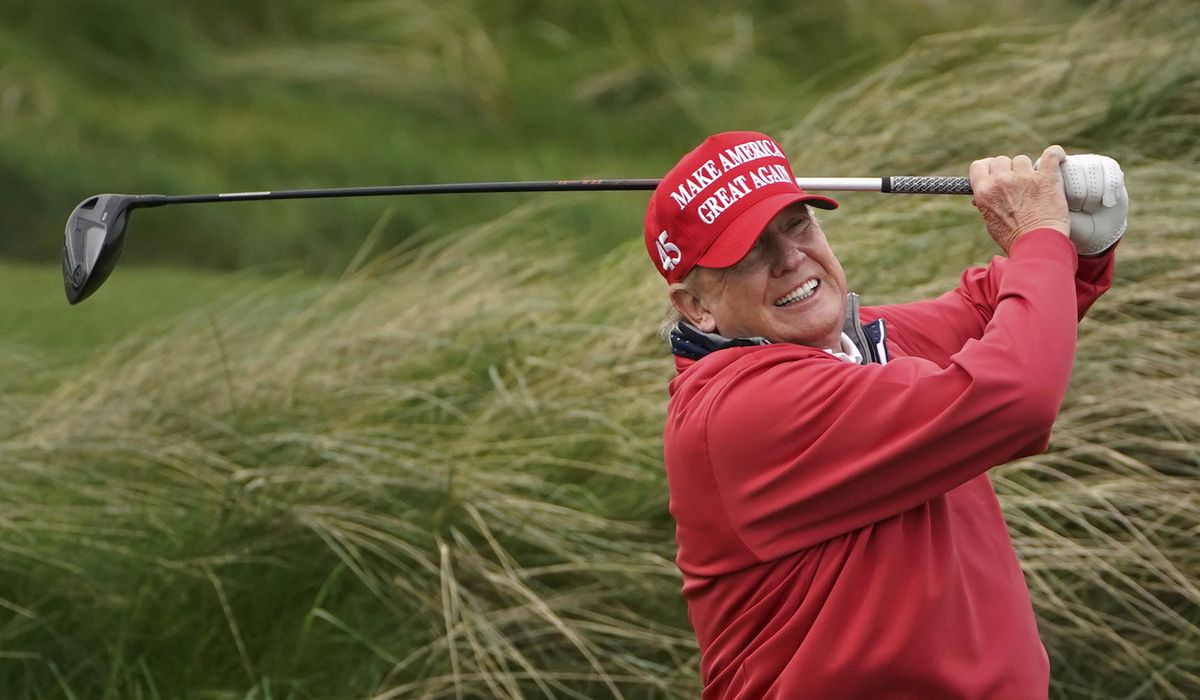
President Trump is scheduled to travel to Ireland next month to attend a golf tournament at one of his properties, the White House announced on Monday, and the trip is already shaping up to be a mix of business, optics, and political theatre.
The White House announcement confirmed the basic detail: President Trump will travel to Ireland next month to attend a golf tournament at one of his properties, the White House announced on Monday. That sentence sets the timeline and the destination, and it leaves room to consider why this trip matters beyond tee times and clubhouses. People on both sides will read different meanings into the same schedule.
From a Republican perspective, the trip is straightforward: a president combining personal interests with a chance to show how private investment can help communities and boost local tourism. Trump’s properties have a brand pull that draws visitors, and a high-profile event like a tournament will likely spotlight jobs and hospitality revenue in the region. Supporters will point to the economic activity and the message that American entrepreneurs can build businesses that operate on the world stage.
Critics will focus on optics and any appearance of mixing public duty with private gain, and that tension is predictable with any president who still has business ties. The White House framed the visit as a normal part of presidential travel, while opponents will parse security details, scheduling, and whether the event blurs public and private lines. That debate is familiar, but this trip will revive it in a fresh setting.
Security logistics are inevitable when a sitting president travels overseas, and they will come with both expense and careful planning for local authorities. Hosting a presidential delegation and ensuring safe transport to a private club will require coordination between U.S. and Irish officials, and that coordination typically brings scrutiny. In past trips, security investments have drawn attention from taxpayers and from the media tracking costs versus benefits.
There’s also a cultural angle: golf is part sport, part diplomacy for many leaders, and tournaments can serve as informal venues for introductions and impressions. For Trump, golf has been a recurring frame for his leisure and his business persona, and bringing a tournament to one of his properties amplifies that overlap. Irish hospitality and the course itself will be on display, and organizers expect international attention.
The local economic impact can be real, with hotels, restaurants, and vendors picking up business from visitors and media crews. Small businesses near the course often advertise and prepare for influxes tied to major events, and a presidential tournament can be a big traffic driver. For local politicians and owners, the story is usually about bookings and foot traffic more than the national headlines.
Politically, the trip offers talking points for both the campaign trail and official engagement, depending on how schedules are organized around public and private events. Republicans will argue it’s an exercise in global presence and private-sector success, while opponents will highlight any perceived self-dealing. Either way, the trip will be used to reinforce preexisting narratives on both sides, with officials and commentators picking the details that fit their view.
For the president’s team, timing matters: next month sets a clear window and gives staff time to shape the itinerary and control messaging around appearances. Announcing the trip on Monday sets off a calendar of briefings, security clearances, and coordination with local authorities in Ireland. Those background tasks are where much of the real work happens, and they will determine how smooth the visit looks on the ground.
International optics also matter because presidential travel sends a signal about priorities and relationships, even when it centers on a personal business venue. Ireland will host the event, and that puts local leaders in the position of managing hospitality while navigating headlines about the president’s property. For diplomatic watchers, the focus will be on how ceremonial moments are handled and whether deeper diplomatic conversations are woven into the schedule.
Media coverage is guaranteed, and the tournament format gives outlets something concrete to cover beyond speeches and policy memos. Cameras will capture the course, the crowd, and any informal encounters that happen on the sidelines, and those visuals often carry more weight with the public than a press release. Expect vivid images and competing interpretations the moment the president steps onto the greens.
Ultimately, this trip bundles business interests, international travel, and presidential duties into a single event that will be parsed across political lines. Republicans will emphasize economic benefits and the president’s role as a global businessman, while critics will seize on any perceived conflicts. The White House’s Monday announcement started the clock, and the coming weeks will show how the visit plays out in practice and in public perception.

