

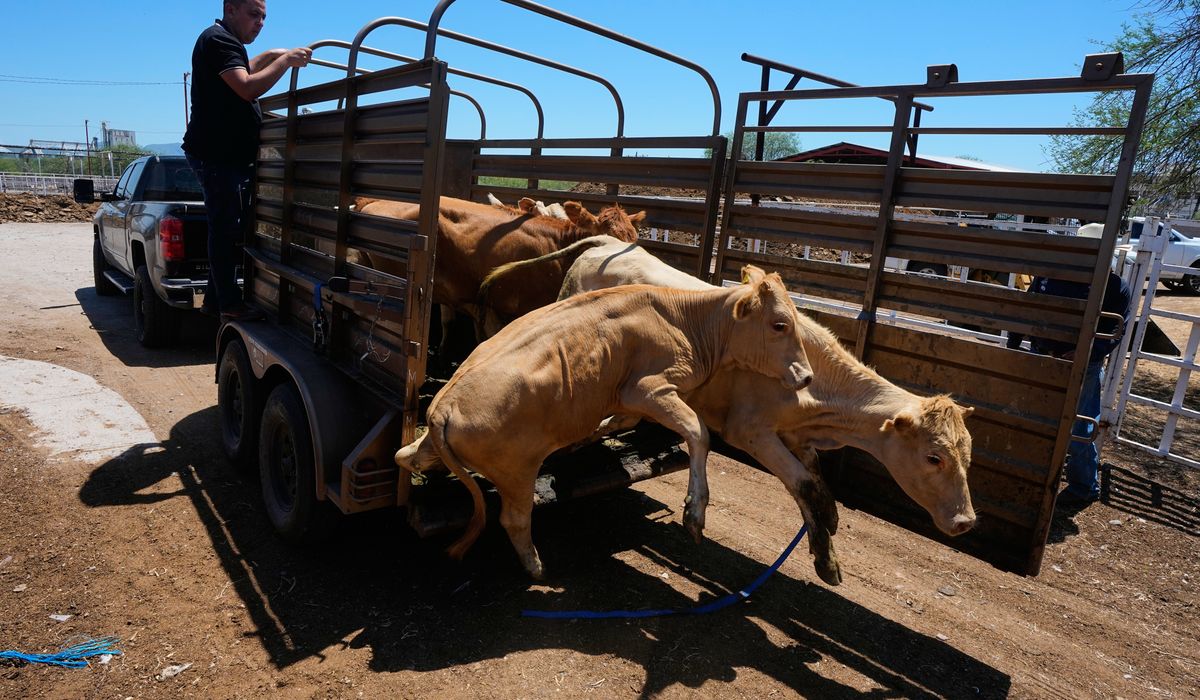
Mexico resumed live cattle exports to the United States on Monday after they were halted for nearly two years by restrictions imposed by the Trump administration following a screwworm outbreak.
The pause in cross-border cattle shipments was dramatic and costly, hitting ranchers and processors on both sides of the border. Trade in livestock is tightly regulated because a single pest or disease can wipe out markets, so the stoppage was blunt and immediate. Now that movement has started again, people are watching the details closely.
Screwworms are a livestock problem that can spread quickly if not contained, and the original restrictions were a hardline response meant to protect American herds. From a Republican perspective, that kind of decisive action is exactly what you want when public health or agricultural integrity is at stake. At the same time, the economic pain from border closures is real and reopening trade relieves that pressure.
Officials on both sides say the restart follows new safeguards and testing to reduce risk, and those measures will be essential to keeping markets open. Practical, enforceable steps matter more than vague promises, and the focus now should be on inspections, traceability, and rapid response plans. Ranchers want certainty so they can move cattle and manage cash flow without constant fear of another sudden shutdown.
Restoring live cattle shipments brings immediate relief to exporters in Mexico who faced lost income and logistical chaos during the halt. U.S. buyers who rely on steady supply chains also benefit, and processors can stabilize schedules that affect workers and local economies. This is about restoring a predictable market so businesses can plan again.
That predictability must be enforced by clear rules and accountable agencies, not by arbitrary or politically motivated decisions. Trade works when both sides trust the system and follow the same strict biosecurity standards, and any future restrictions should be narrowly targeted and transparent. Republicans tend to favor firm, rule-based enforcement that protects American interests while letting lawful commerce proceed.
Industry groups are already talking about the practicalities: certification, veterinary checks, and shipment windows that limit risk. Those operational details are where the agreement lives or dies, because a loophole or sloppy inspection undermines confidence fast. If the procedures hold up, the economic benefits should follow without compromising animal health.
Border logistics remain a headache, and the resumption highlights the need for better infrastructure and coordination at crossing points. Delays and bottlenecks can turn a smooth policy into a costly day of lost animals and added stress for handlers. Investment in faster, more secure crossings would make the whole system more resilient to future scares.
Critics will watch for any sign that the reopening was rushed or politically timed, but the practical view is simple: if testing and safeguards are solid, reopening trade is the right move. Farmers and ranchers on both sides deserve markets that are secure and reliable, not markets subject to sudden shutdowns without clear cause. Oversight and transparency will be the best defense against future disruptions.
The bottom line for many conservatives is that protecting American agriculture was the right initial instinct, and reopening trade under verified controls is the smart follow-up. Economic stability for producers, clear enforcement for biosecurity, and cooperation between nations make for the best outcome. Now the work shifts to making sure the safeguards are real, durable, and enforced so this reopening lasts.

