

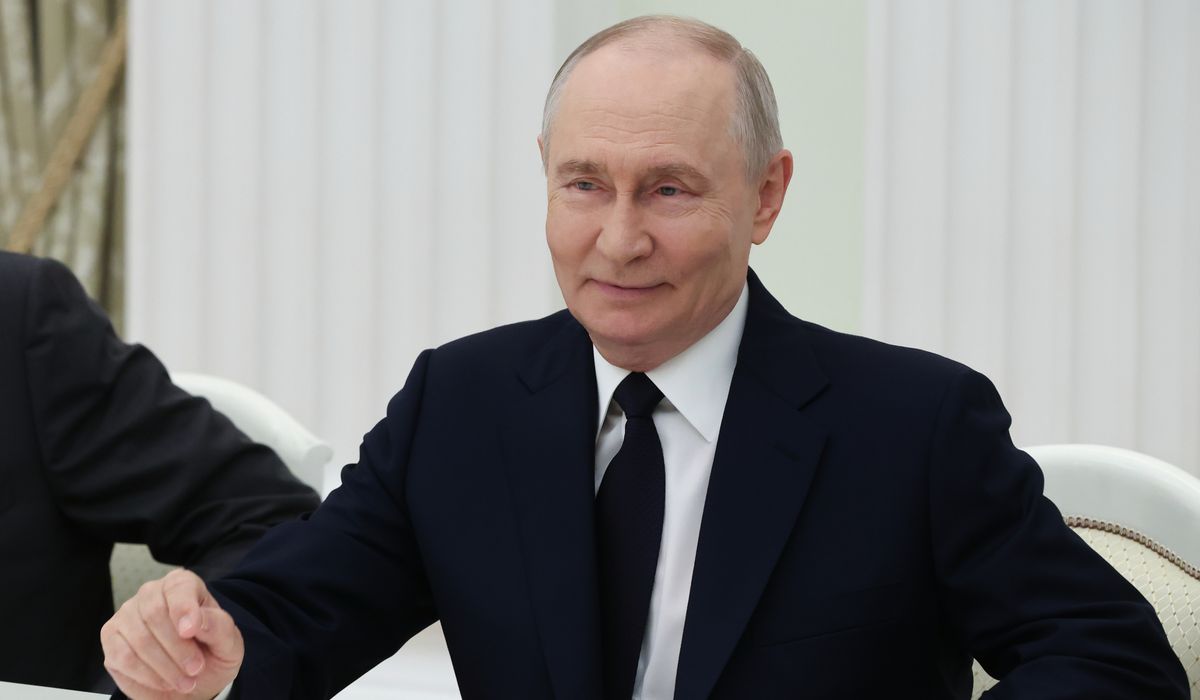
Russian President Vladimir Putin signed a decree allowing the government to temporarily take control of critical infrastructure if private owners fail to protect it from Ukrainian drone attacks or reb
The Kremlin move lets Moscow step in when private firms are judged unable to shield essential systems from attacks, according to the decree text. It signals a new phase in how the state will manage risk to utilities, transport hubs, and industrial sites amid rising cross-border strikes and sabotage claims.
Officials frame the step as a short-term safety measure to prevent service interruptions and cascading failures that could hit civilians. The government would assume operational control only after declaring private defenses insufficient, which creates a legal checkpoint before seizures begin.
For businesses operating in Russia, the decree tightens existing obligations and raises the stakes for security planning. Companies now face potential loss of control over assets if authorities decide their protective measures fall short during incidents described as drone attacks or other hostile actions.
The move also matters for investors and partners watching regulatory risk and political interference. When the state reserves the right to take over vital systems, it changes the commercial landscape and the calculus of doing long-term business in a country where emergency powers are broad.
From a Republican viewpoint, this is familiar territory: central governments will grab authority in crises, often under the banner of public safety. While security should not be ignored, the danger is that temporary powers become permanent, eroding private-sector autonomy and legal predictability.
Security failures tied to unmanned aerial systems are a real concern on modern battlefields and border regions, and any sovereign must protect people and services. Still, the balance between public protection and private rights deserves scrutiny, especially where political control and national security narratives overlap.
Operationally, the decree could cover a wide array of assets — power stations, pipelines, rail networks, communications nodes, and industrial complexes. Those sectors are critical not just for wartime resilience but for everyday commerce and public health, so their management attracts immediate attention.
Companies will likely respond by strengthening physical defenses, updating contingency plans, and documenting protective measures to avoid handing control to the state. That precautionary behavior is sensible, but it comes with cost and complexity that could hurt smaller operators more than state-backed giants.
Legally, the decree raises questions about oversight and duration: how long can control be held, what legal recourse do owners have, and which bodies will judge the adequacy of private defenses. Transparency around these questions will determine whether the measure is an emergency tool or a lever for political influence.
Globally, the step feeds narratives about authoritarian consolidation, yet it reflects a practical problem states face when private systems intersect with national security. Democracies and autocracies alike struggle to design frameworks that secure critical services while protecting property rights and market stability.
For U.S. conservatives watching developments abroad, the event is a reminder that strong defense policy and robust infrastructure protection go hand in hand. Adversaries will exploit gaps, and domestic policy should aim to harden systems without surrendering the rule of law or economic freedom.
Ultimately, the decree is a legal tool that shifts responsibility and authority in the name of protection. How it is applied will matter more than the headline; the line between temporary emergency action and indefinite state control will be the test of Moscow’s intent and restraint.

