

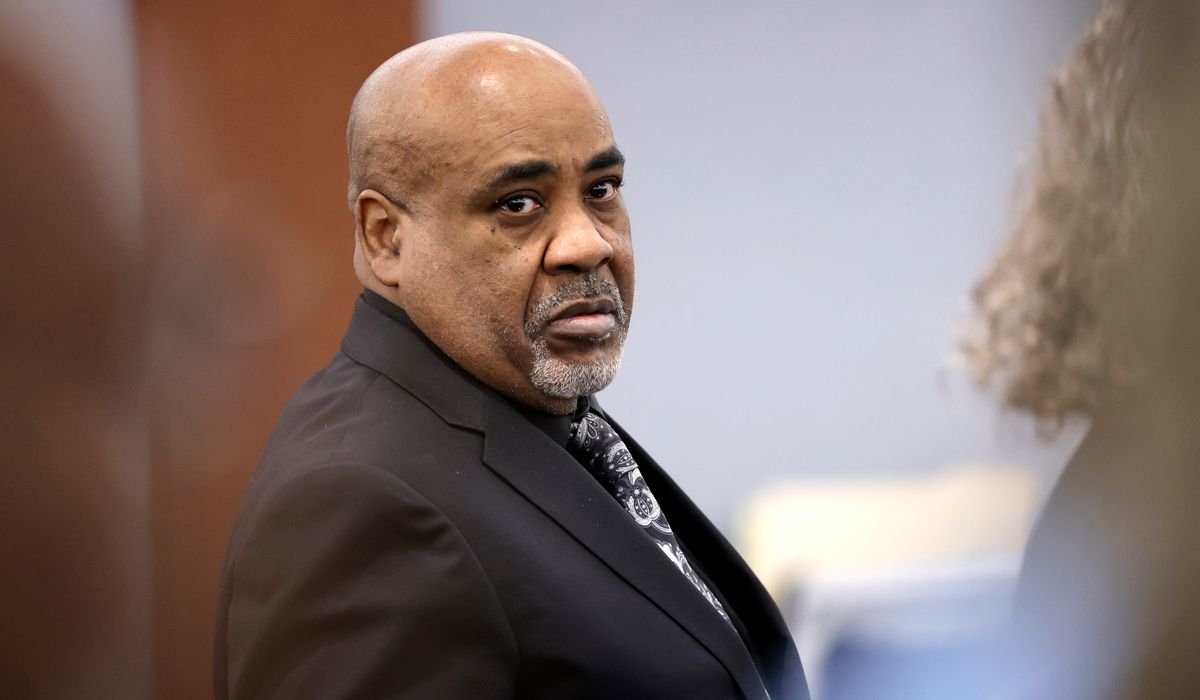
A jury found Duane “Keffe D” Davis guilty of orchestrating the 1996 killing of rap icon Tupac Shakur, marking the first conviction in a case that has gripped hip-hop fans for decades. The verdict closes a long, public chapter in a crime that shaped music culture and countless investigations. It also raises new questions about how cold cases are pursued and how witnesses come forward years after events.
The trial presented testimony, witness statements, and a timeline that jurors weighed against decades of speculation. Prosecutors framed the case around orchestration and intent rather than just a single act, asking jurors to connect decisions made in the weeks and months before the shooting. Defense lawyers challenged those links, arguing uncertainty and gaps in evidence could not meet the high bar for criminal conviction.
Outside the courtroom, reactions were swift and emotional across social circles tied to hip-hop and popular culture. Longtime fans and people connected to the scene reacted to both the verdict and what it means for memories of Tupac Shakur. Commentary ranged from relief that there was finally legal accountability to frustration that the outcome came so long after the loss itself.
The evidence discussed in court included statements from associates, timelines of movements, and phone records that prosecutors said tied actions together. Investigators also leaned on decades of pieced-together information, some of which had never been tested in a jury trial until now. That combination gave jurors a narrative to evaluate, even as gaps and faded memories played into defense strategy.
Legal experts watching the case noted how unusual it is to secure a conviction so long after a high-profile murder, especially when physical evidence is limited or degraded by time. Delayed prosecutions hinge on credible witness testimony and corroborating details that survive the years. Those conditions exist rarely, so this verdict will be studied by attorneys and law enforcement as an example of long-term case building.
The cultural impact of the verdict will extend beyond the legal record and into music history and public conversation. Tupac Shakur’s legacy has always been tied to the unresolved questions around his death, and a conviction reframes how that story is told. For some, this shifts the narrative toward closure; for others, it raises new debates about responsibility, accountability, and memory.
Community leaders and artists who commented in public forums emphasized the complexity of mixing criminal justice with cultural legacy. They reminded audiences that legal outcomes are not the same as emotional closure and that grief often persists regardless of verdicts. Still, the legal result changes the official record and creates a concrete outcome where there had been only speculation.
Next steps in the legal process include sentencing and the likely appellate work that follows any high-profile conviction. Defense teams commonly seek to challenge procedural rulings, the admission of certain testimony, and how jurors were instructed, so appeals are expected. Meanwhile, investigators and prosecutors may use lessons from this case to inform other long-running investigations where witnesses or new evidence surface years after a crime.

