

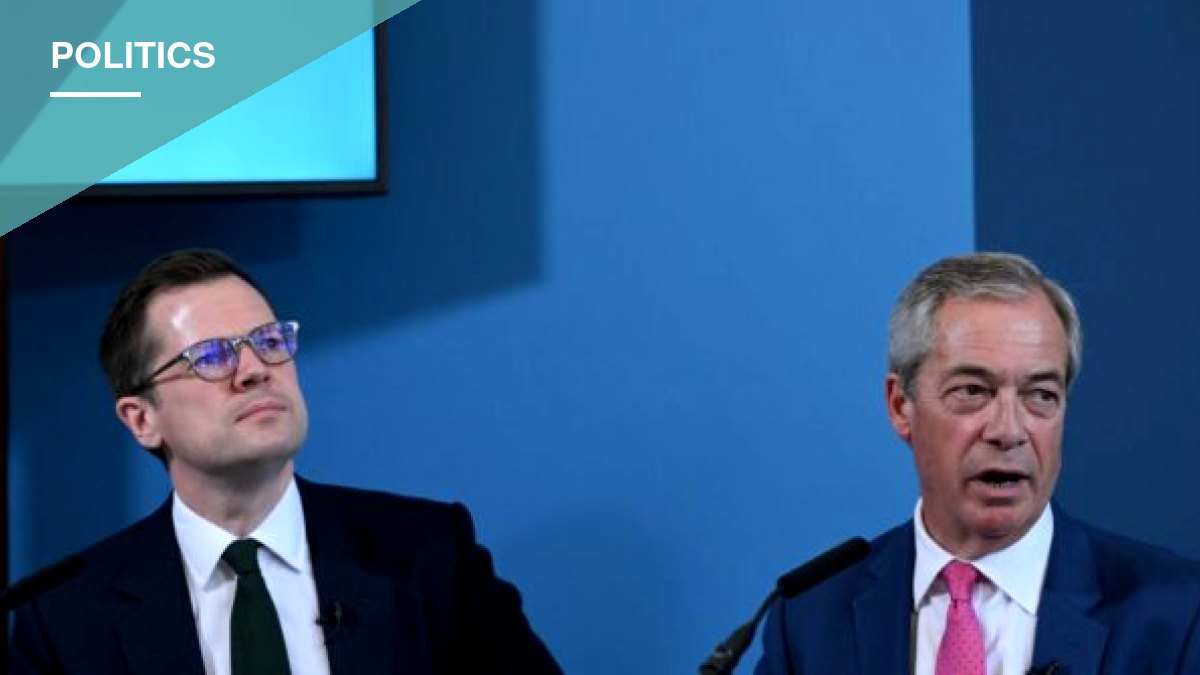
Reform UK has laid out a plan to cut more than £100 billion in government spending within its first 100 days in office, an announcement timed to Prime Minister Andy Burnham’s rocky first Prime Minister’s Questions since taking power.
Burnham, recently installed as Britain’s Labour prime minister, was unable to name any specific spending cuts during Wednesday’s session, even as UK government borrowing costs climbed to a three-decade high.
Reform UK Shadow Chancellor Robert Jenrick, tapped by party leader Nigel Farage to run the Treasury if Reform takes power, said his party would cut government spending by £108 billion. The breakdown: £50 billion from welfare spending, £20-30 billion from programs Jenrick characterized as leftist priorities such as net zero initiatives, foreign aid, and civil service staffing, and £28 billion from reduced government debt interest payments.
Jenrick argued the cuts would do more than reassure financial markets — they would let a Reform government cut taxes for Britons, who he said are shouldering the heaviest tax burden since World War II.
“Andy Burnham said we did not need to be in hock to the bond markets but that is precisely where he has found himself in a matter of weeks,” Jenrick told The Telegraph. “It turns out that putting on a t-shirt and being a jovial northerner isn’t enough to convince the markets you have got a strategy for the British economy, and they are taking fright.”
Welfare Restrictions Targeted at Non-Citizens
Much of Reform’s welfare savings plan hinges on barring most foreign nationals — including EU citizens who were grandfathered into UK benefits after Brexit — from receiving payments the party argues were meant for British citizens. Jenrick said last month this change alone would save £21 billion ($28.5 billion) annually by 2029, or roughly £700 ($950) per household.
The party also wants to roll back health-related welfare claims to pre-COVID levels. Farage has repeatedly pointed to a rising number of claimants citing conditions like “anxiety” as grounds for being paid not to work.
Additionally, Reform proposes requiring anyone who has been unemployed for more than a year to work on government projects in order to keep receiving benefits.
“If you are, for example, someone who works in a distribution centre, like a lot of people in my constituency, you get up early, get your kids ready for school, work hard and then come home where you are struggling to cover your bills that keep going up,” Jenrick said. “But you might be living next door to someone living on benefits whose curtains are closed, maybe has a Motability car on the drive and has Just Eat bringing a takeaway to them. That can’t be right and, under Reform, there will be no more something for nothing.”
Markets Grow Wary of Burnham’s Spending Plans
The announcement follows a spike in UK government debt yields, which hit 5.91 percent this week — the highest in nearly 30 years. Bond markets appear increasingly uneasy over Burnham’s stated intention to increase public spending further, including plans to direct more funding toward regions outside London.

