

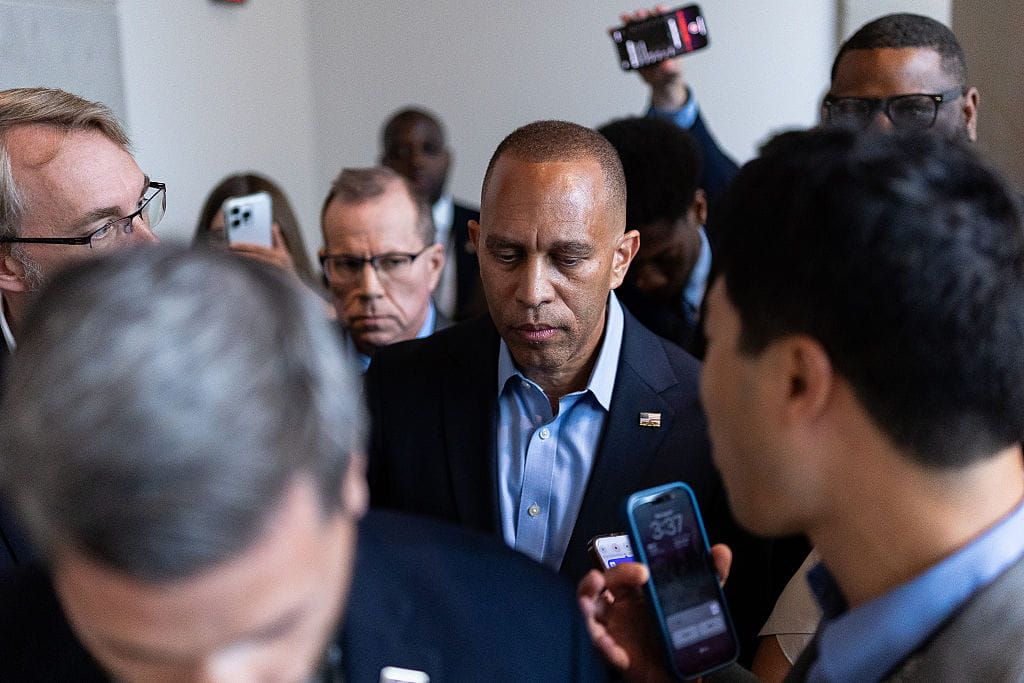
On Sep 3, 2026, the Democratic coalition showed fresh cracks as Washington watched an unmistakable shift in who calls the shots. “Jeffries sets the stage for potential congressional chaos.” That line captures how a single leadership move can redraw the map inside a party that once prided itself on holding a broad tent.
When the House Democratic caucus tightened around a new power center, the practical meaning was immediate: fewer voices at the table and sharper pressure on the rest to fall in line. That narrowing is not abstract. It affects committee fights, whip counts, and the daily give-and-take that keeps a divided majority functioning.
From a Republican perspective, the consolidation of influence inside one wing of the party looks like strategy wrapped in short-term hubris. Centralized control often produces tidy messaging, but it also forces a wedge between pragmatic lawmakers and those who prioritize ideological purity. That tension makes compromise harder and governing messier.
Leaders who push their party hard left risk two things: alienating swing voters and creating internal discipline problems that end up blocking legislation. Members who fear reprisals for breaking ranks will either conform or quietly circle the wagons, which can freeze debate and stall bills that might have passed with looser control. The net result is gridlock dressed up as unity.
On policy, a tightened tent tends to move the party’s center of gravity toward bold, headline-grabbing proposals rather than the incremental wins that win elections. Expect spending packages with little bipartisan appeal and messaging designed for primary voters more than the broader electorate. Those moves might satisfy activists but leave the party vulnerable wherever voters prefer steady governance over spectacle.
Electorally, this is dangerous math for Democrats. Swing districts and moderate suburbs have little patience for endless internecine fights and for leadership that seems focused on internal purity tests. Republicans will use those fractures as a straightforward contrast: a party in control that delivers steady policy versus one consumed by its own internal disputes.
Inside the House, the power shift reshapes who gets the plum committee slots and who faces tough primaries. Targeted endorsements and strategic fundraising will follow the new hierarchy, and members who stray could find themselves facing better-funded challengers at the next cycle. That kind of pressure narrows debate and reduces the incentives for independent judgment.
The narrative from mainstream outlets will try to tell a story of growing unity and disciplined purpose, but the day-to-day reality will read differently in the halls of Congress. Press talking points can paper over internal fights for a time, but policy paralysis and headline collisions eventually expose the fault lines. Voters notice when governing gives way to internal theater.
Republicans should be ready to point out the contrast without getting smug. Tight control may deliver short-term messaging wins for Democrats, but it also hands the GOP a clear argument to voters: one party is managing the messy business of governing, the other is preoccupied with internal conformity. That argument lands in districts where results matter more than rhetoric.
Moving forward, watch how leadership uses its clout and how far rank-and-file members are willing to go to preserve their seats and influence. The consolidation of power will create winners and losers within the party, prompt strategic shifts in fundraising and endorsements, and reshape which bills actually reach the floor. Those are the dynamics that will determine whether chaos follows or control holds.

