

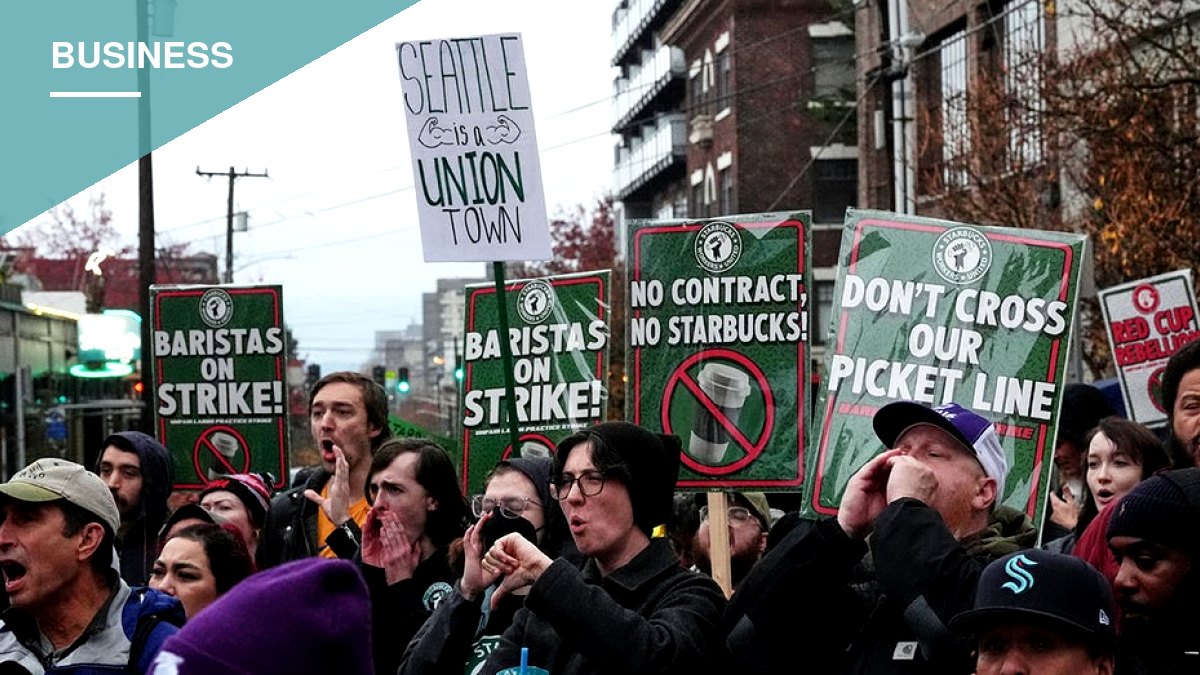
Seattle is on track to raise its minimum wage to $22.14 an hour in 2027, a jump that would make it the highest minimum wage in the country if no other city matches or exceeds it. The increase comes as the city’s broader economy shows signs of significant strain, including a sharp drop in job postings and a wave of restaurant closures.
Under the current schedule, an individual working full time at Seattle’s minimum wage would earn just over $46,000 a year. Since 2025, all Seattle employers, including small businesses, have been required to pay the same minimum wage, which adjusts annually for inflation.
The policy has coincided with financial distress for many local restaurant owners. In the first half of 2025, shortly after the wage increase took full effect for all businesses, about 450 Seattle restaurants closed — roughly 16% of the city’s total. Several owners who shut down have pointed to rising labor costs as a factor in their decisions.
Retail and restaurant spending has also softened. Transactions in some business and shopping districts near the Amazon and Microsoft campuses fell by as much as 7% compared with the prior year, according to Square data cited by The Wall Street Journal.
Owners and Advocates Disagree on Impact
One Seattle restaurant owner described the cascading cost pressure to Eater in 2024: “If the servers are making $20 an hour, then I gotta pay the cooks $35.”
“Operators are making less money than ever and are charging more than ever,” Anthony Anton, CEO of the Washington Hospitality Association, said last year, according to the Center Square.
A peer-reviewed study from researchers at the University of Wisconsin, Madison found that the mere announcement of Seattle’s minimum wage increase reduced new business formation within city limits, while boosting new business creation in neighboring suburbs with lower wage floors.
Supporters of the wage increase counter that Seattle’s high cost of living requires higher pay to keep low-income workers out of poverty, and argue that higher wages can improve staff retention for employers.
Broader Economic Pressures Predate the Wage Law
Seattle’s business climate had already been weakening before the citywide minimum wage law took full effect. Between the start of the COVID-19 pandemic in early 2020 and 2023, about 500 local businesses closed, according to the Downtown Seattle Association. By 2024, the association counted 543 vacant storefronts. Business owners during that stretch often cited property crime alongside broader economic conditions.
Job postings across the Seattle metro area fell 35% between February 2020 and October 2025, a decline second only to San Francisco among major U.S. metros, according to an Axios analysis. Local business owners have reported that applicants with master’s degrees, and even those with experience at companies like Microsoft, are applying for barista jobs.
Downtown office vacancy has continued climbing as well, reaching 35.6% in the fourth quarter of 2025, up from 32.3% a year earlier, according to Cushman & Wakefield data. Some well-known Seattle-founded businesses, including Starbucks, have shifted operations away from the city.

