

While Republican candidates suffered heavy losses in Tuesday’s midterm elections, a separate set of results drew less attention nationally but carries lasting consequences: dozens of statewide ballot initiatives that will shape abortion law, voting rules, redistricting, gender policy, taxes, and criminal justice for years to come.
Here is a state-by-state look at how the major measures fared.
Abortion
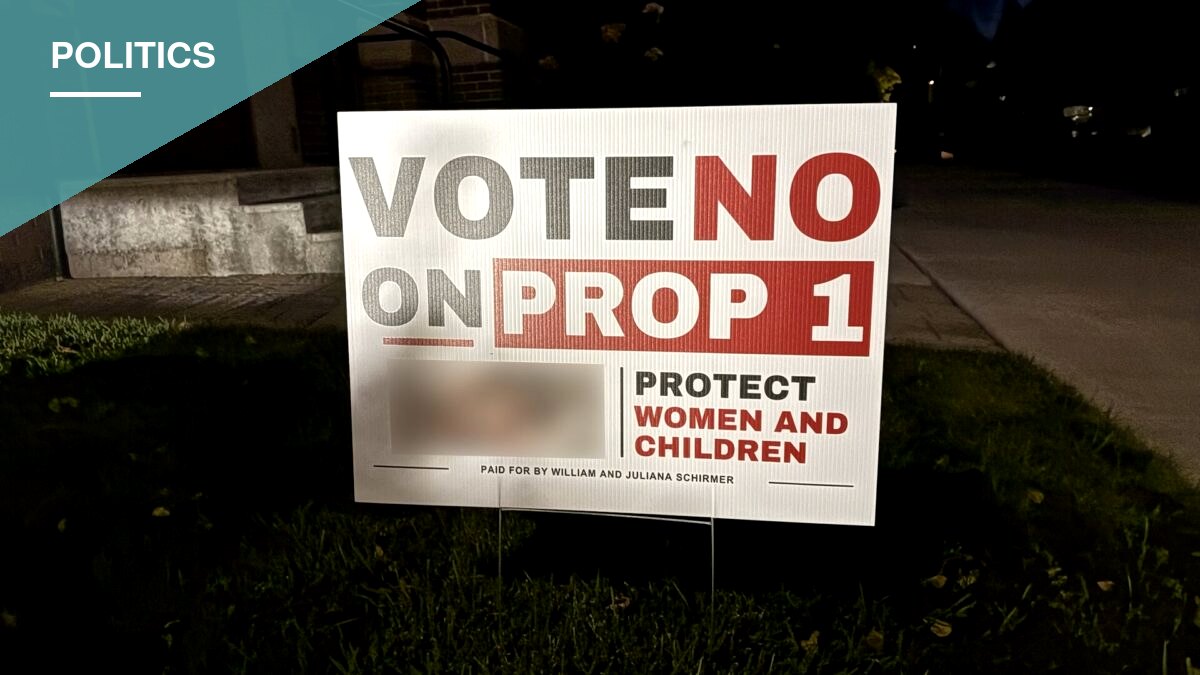
Idaho voters rejected Proposition 1, a measure that would have struck the state’s pro-life protections by establishing a vague constitutional “right to reproductive freedom and privacy” for “every person.” Idaho currently bans abortion except in cases of documented rape, incest, or danger to the mother’s life.
That was the lone pro-life win of the night. In Missouri, voters rejected a constitutional amendment, projected to lose 55 to 45 percent, that would have repealed a 2024 amendment enshrining abortion rights and also would have banned certain gender-transition procedures for minors.
Virginia and Nevada voters approved amendments establishing unlimited abortion rights in their state constitutions. A legal challenge over allegedly “deceptive” ballot language and procedures used to place the Virginia measure before voters is scheduled to be heard in state court later this month.
Voting rules and election integrity
Arkansas, Alaska, Kansas, South Dakota, and West Virginia voters passed measures limiting voting to qualified U.S. citizens. Nevada, North Carolina, and Ohio voters approved amendments enshrining voter ID requirements in their state constitutions.
In Massachusetts, voters rejected a proposal to create a top-two primary system in which all candidates would run on one ballot and the top two vote-getters, regardless of party, would advance to the general election — a system critics said was designed to exclude Republicans from general-election contests.
Not every election-integrity measure succeeded. Colorado and California voters rejected voter ID proposals. North Dakota and South Dakota voters both rejected amendments that would have raised the threshold for amending their state constitutions to 60 percent, measures aimed at making it harder for outside groups to use the initiative process to pass left-leaning policy in red states.
Missouri voters, meanwhile, approved a measure barring the legislature from repealing or amending a citizen-led ballot initiative unless at least 80 percent of both the House and Senate vote to refer the change to the ballot and voters then approve it, according to Ballotpedia — a change aimed at limiting the GOP-controlled legislature’s ability to undo initiatives like the 2024 abortion amendment.
Virginia voters approved a measure automatically restoring voting rights to convicted felons upon release, replacing a system that gave the governor discretion over restoration. Democratic Gov. Abigail Spanberger recently restored voting rights to roughly 66,000 previously incarcerated individuals, some of whom have since died.
Two election-related measures remained undecided as of publication. In Arizona, a measure requiring proof of citizenship to register, mandatory voter ID, and a ban on foreign money in elections was trailing 53 to 47 percent with 83 percent of votes counted. In Alaska, a measure to repeal the state’s ranked-choice voting system was trailing 52 to 48 percent with 73 percent counted.
Redistricting
Missouri voters rejected a Republican-backed proposal that would have shifted the state’s congressional map from six Republican and two Democratic seats to seven Republican and one Democratic seat, a measure that followed a lengthy legal fight in state and federal court.
Maryland voters approved a Democratic-backed redistricting measure that opens the door for the state’s Democratic legislature to redraw the state’s lone Republican-held congressional seat out of existence.
A Republican-backed Colorado amendment requiring any mid-decade redistricting to first clear the state’s independent redistricting commission and the state Supreme Court was trailing 53 to 47 percent with 75 percent of votes counted.
Sex, gender, and marriage
Arizona and Nebraska voters passed measures protecting women’s sports from participation by transgender-identifying males. Arizona’s measure also bars schools and athletic associations from allowing transgender-identifying individuals to use restrooms, locker rooms, or other private spaces that do not match their sex.
Vermont voters approved a measure adding specific constitutional protections for LGBT-identifying individuals. Critics had argued the language creates unequal constitutional standards and could be used against people who hold traditional religious views on marriage.
Virginia voters passed an amendment removing constitutional language defining marriage as between a man and a woman and adding language prohibiting the state from denying marriage licenses to same-sex couples.
In Wisconsin, voters rejected a measure that would have barred officials from closing houses of worship during a state of emergency, including public health emergencies — a response to pandemic-era restrictions on church attendance.
Measures protecting women’s sports remained undecided in two states: Colorado’s was ahead 52 to 48 percent with 76 percent counted, and Washington’s was ahead 57 to 43 percent with 60 percent counted. A separate Colorado measure banning certain gender-transition procedures for minors was ahead 52 to 48 percent with 76 percent counted.
Immigration, guns, and public safety
Arizona voters passed a measure designating drug cartels as domestic terrorist organizations and directing the state’s Department of Homeland Security to address threats they pose.
Arkansas voters approved a constitutional amendment reaffirming the right to keep and bear arms.
Indiana and Tennessee voters approved amendments restricting bail for defendants in serious cases where “the proof is evident or the presumption strong” (Indiana) or “great” (Tennessee), and where prosecutors show the person poses a danger to the community.
Massachusetts voters upheld gun control laws passed by the legislature in 2024, including an assault weapons ban and a firearm registration system.
A Colorado measure requiring state cooperation with federal immigration authorities on violent-crime cases involving suspected noncitizens was trailing 55 to 45 percent with 76 percent counted.
Taxes, labor, and education
Florida voters approved a property tax measure that raises the homestead exemption for non-school taxes to $150,000 in 2027 and $250,000 in 2028, with inflation adjustments afterward, according to Ballotpedia. It also directs the legislature to set a uniform process allowing local governments to raise exemptions further, subject to referendum.
Iowa voters appeared poised to approve a measure requiring a two-thirds legislative vote before any increase in the state’s income or corporate tax rate.
Vermont voters approved a Democratic-backed collective bargaining measure. Former state GOP chair Rob Roper had warned the amendment “effectively strips, in key cases, one’s right to individually bargain on one’s own behalf.”
Wisconsin voters passed an amendment banning government entities, including public schools, from adopting race- and sex-based preferences.
Arizona voters, however, rejected a similar measure that would have banned DEI and affirmative action policies and state-mandated DEI training in government institutions.
A Washington measure to reinstate parental rights to review school materials and records, receive notifications, and opt children out of certain activities was trailing 53 to 47 percent with 59 percent of votes counted.

