

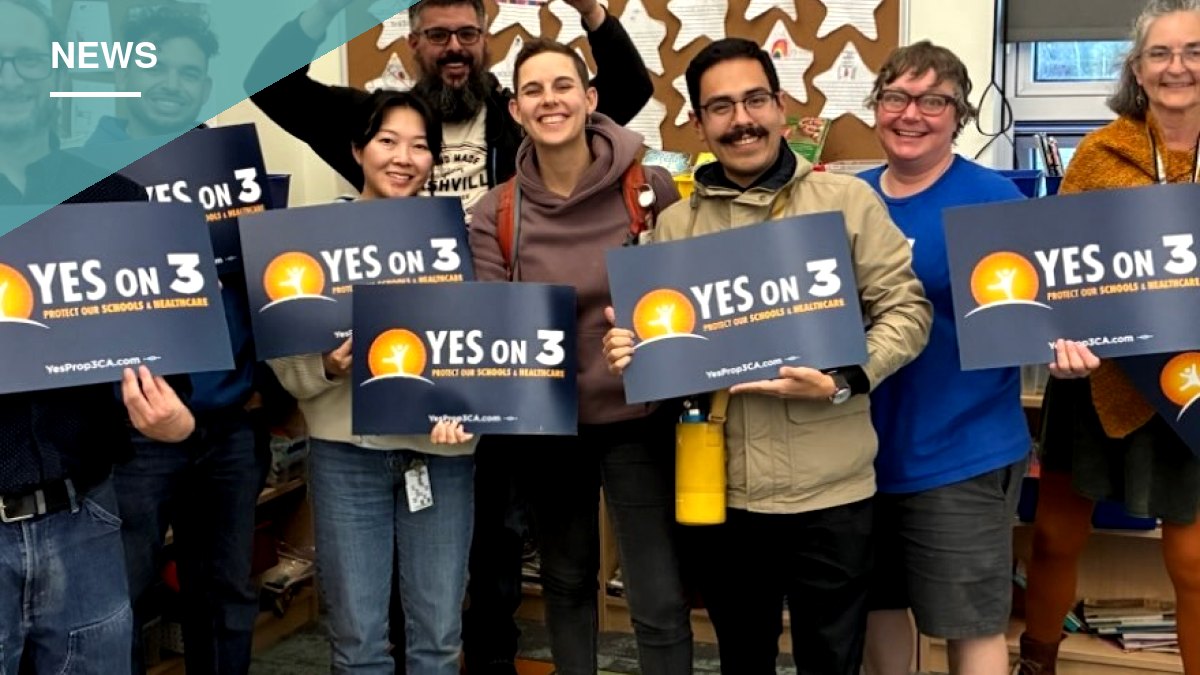
California voters this week agreed to permanently lock in income tax rates on the state’s highest earners that were originally sold to the public as temporary, approving Proposition 3 with 58.7% support, according to Associated Press figures released Wednesday morning. The measure passed with roughly 4.4 million votes in favor to 3.1 million against.
Proposition 3 is a constitutional amendment that does not technically raise tax rates, since California has already been collecting them. Instead, it removes the expiration date on rates of 10.3% to 12.3% that have applied to the state’s top earners since 2012 and were set to sunset after 2030.
The rates kick in on individual income above roughly $371,000, a threshold that adjusts for inflation each year. Those earning less are unaffected by the measure.
According to the state’s nonpartisan Legislative Analyst’s Office, the tax generates between $5 billion and $15 billion annually. Of that revenue, 89% is directed to K-12 public schools and 11% to community colleges, with any surplus flowing to health care programs in certain years. In strong revenue years, the money accounts for about 15% of the state’s entire K-12 budget.
A Tax That Keeps Not Expiring
This marks the third time California voters have been asked to weigh in on this same tax. It began in 2012 as Proposition 30, pitched by then-Gov. Jerry Brown as a temporary fix to help schools recover from the Great Recession. Voters extended it again in 2016 through Proposition 55. Now, Proposition 3 removes the sunset clause entirely.
Layered on top of a separate 1% surcharge on income above $1 million that funds mental health services, California’s highest earners now face a combined state income tax rate of 13.3% — the highest in the nation.
Who Pushed It, Who Fought It
The California Teachers Association placed Proposition 3 on the ballot and spent approximately $30 million campaigning for it. The measure drew backing from the California State PTA, the California School Nurses Organization, the California School Employees Association, the California Medical Association, and the California Democratic Party. Supporters warned that letting the tax lapse would force layoffs and program cuts, especially as federal funding to the state declines. The CTA cast the vote as a choice between stable school funding and what it called

