

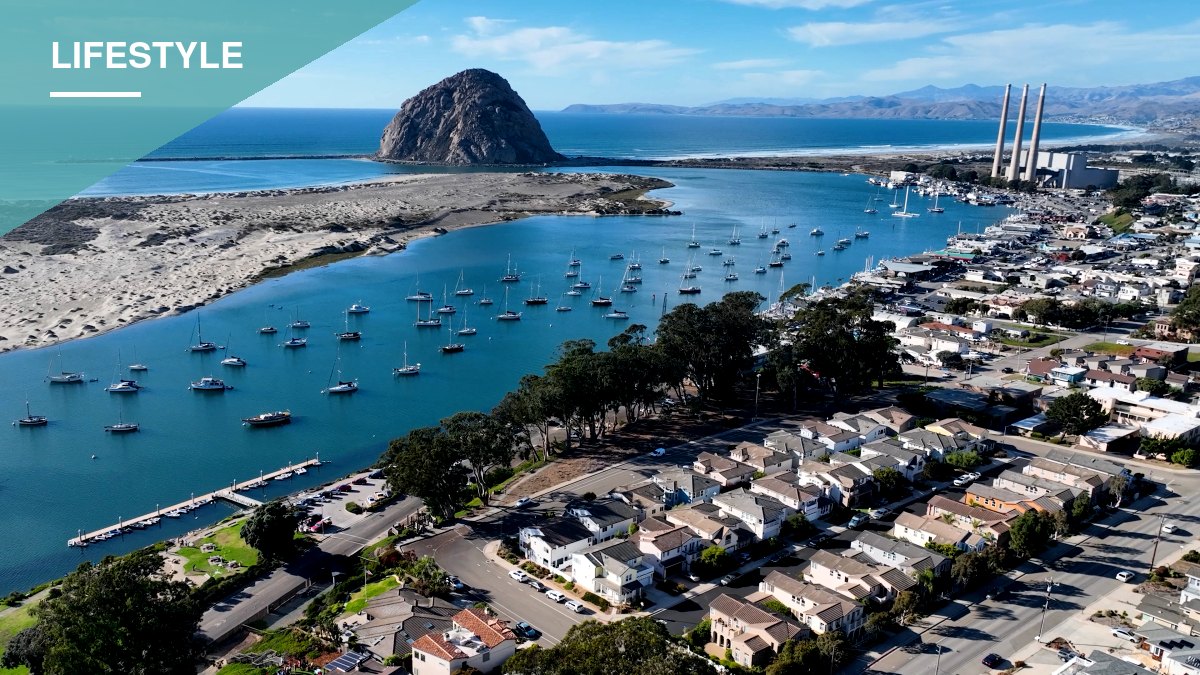
Travelers looking for an uncrowded fall getaway on California’s coast may want to point the car toward Morro Bay, a small town in San Luis Obispo County about three hours north of Los Angeles.
Morro Bay has been singled out before for its character: travel outlet BudgetTravel once named it California’s coolest small town, describing it as “unlike any other California seaside town” and recommending it for visitors seeking “local wine, fresh seafood and adventures filled with wildlife watching and iconic coastal experiences.”
The town’s defining landmark is Morro Rock, a 576-foot volcanic formation that rises from the harbor. The rock has been a designated historical landmark since 1968, and while the surrounding grounds are open to the public, climbing the rock itself is prohibited.
Morro Rock sits within Morro Bay State Park, where the lagoon draws birdwatchers, sailors and anglers. Along the water, the Embarcadero waterfront district is lined with local businesses, including the seafood restaurant Kicker’s and the kite shop Beachfront Kites, Surreys & More. The coastline also offers kayaking, paddleboarding, whale watching, kite-flying and surfing.
The town’s unofficial mascot is the southern sea otter. Morro Bay is home to a population of roughly 70 of the animals, most visible during the summer months. Visitors who miss the otters can still find distinctive wildlife at the Morro Dunes Ecological Reserve, including the endangered Morro shoulderband snail, the Morro Bay kangaroo rat, and various reptiles, birds, amphibians and butterflies.
Lodging in Morro Bay remains affordable relative to other California coastal destinations. A room at The Landing Hotel, which overlooks Morro Rock, runs between $99 and $250 a night.
The town also serves as a convenient base for exploring the surrounding region, including Hearst Castle and the vineyards of Edna Valley. Morro Bay hosts its own annual events as well, including the Avocado & Margarita Street Festival in September and the Morro Bay Bird Festival in January.

