

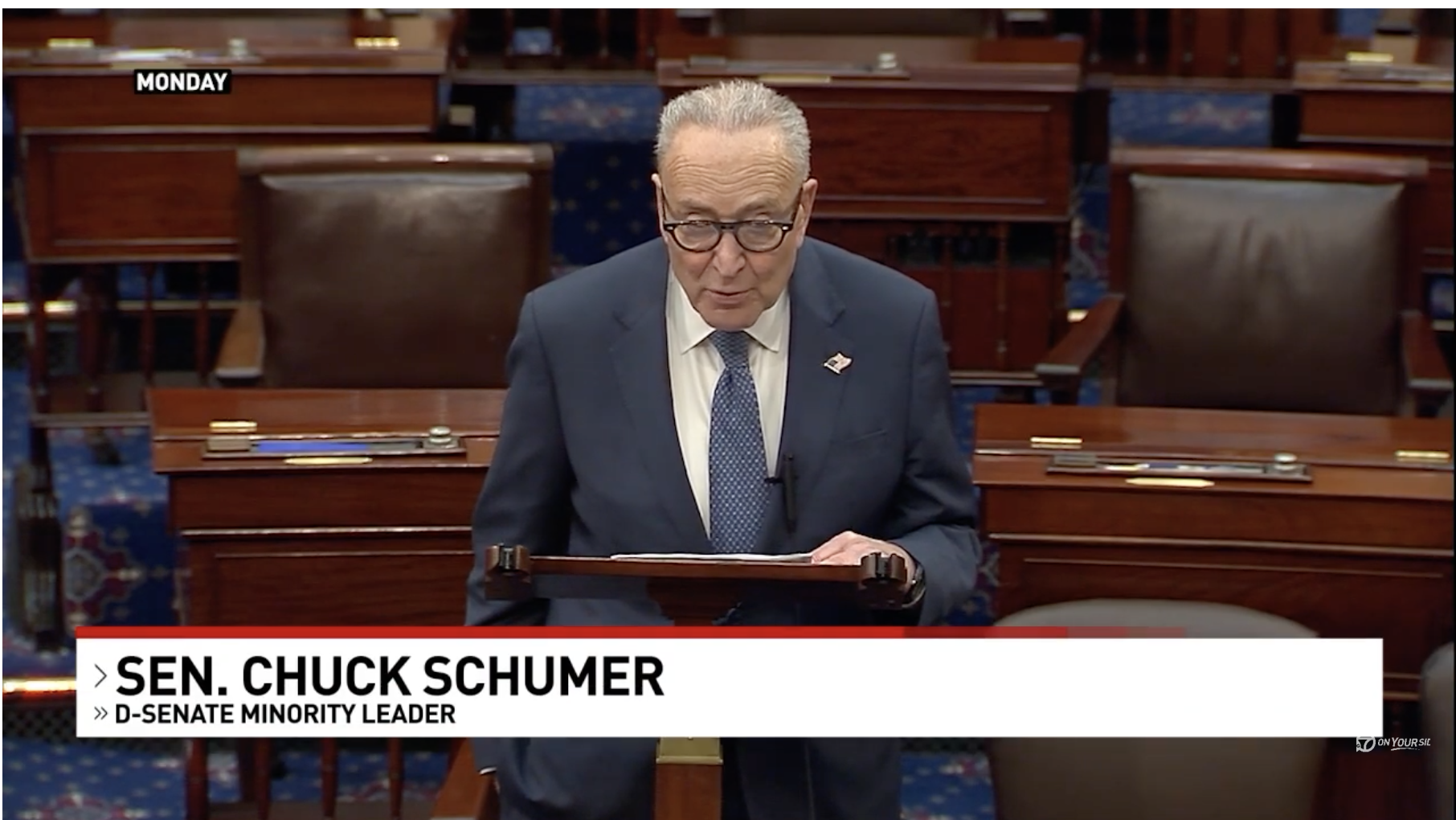
A pointed look at recent political theater that put Chuck Schumer and Lisa Murkowski front and center, examining tactics, fallout, and what it says about Washington politics today.
From Chuck Schumer’s race-baiting false equivalencies to Lisa Murkowski being, well, Lisa Murkowski, it was a great week for bad people. That line captures the sharp frustration on the right with how political players keep trading credibility for headlines. The moment deserved sharper scrutiny from conservatives who want accountability, not spectacle.
Chuck Schumer’s approach lately reads like a playbook of distraction, using charged rhetoric to muddy debates and shift focus away from policy failures. Calling out opponents with race-tinged comparisons doesn’t solve problems and it cheapens legitimate concerns about fairness and justice. Republicans should point out the tactic for what it is while pushing their own solutions with clarity and conviction.
On substance, the worry is that these theatrics replace real debate. When leaders rely on dramatic gestures instead of detailed plans, voters lose trust in institutions across the board. Conservatives can expose that void by contrasting hollow headlines with steady, practical proposals that address voters’ everyday concerns.
Then there’s Lisa Murkowski, whose political brand is built on independence and headline-grabbing maverick moves that often frustrate conservatives. “Being Lisa Murkowski” has come to mean voting against the party when it suits her, and that pattern weakens unified Republican efforts on key priorities. It’s one thing to be independent-minded, and another to undercut your side at crucial moments.
Murkowski’s actions matter because Senate math is tight and every vote can reshape outcomes on judges, budgets, and national security. When a senator repeatedly swings away from the caucus, allies pay a price in lost leverage and missed policy wins. The practical effect is fewer conservative judges confirmed and more gridlock on reforms that matter to voters.
The broader picture is about accountability. If elected officials want to play political lone ranger, they should be ready for the political consequences. Republican leaders and grassroots activists alike need to make clear that votes and messaging have real outcomes for constituents, not just talking points for cable news.
Media coverage tends to elevate drama over depth, rewarding the loudest voices and marginalizing steady governance. That creates an incentive structure where controversy is currency and compromise is framed as betrayal. Conservatives who want lasting change must refuse that dynamic and keep the focus on substance and results.
There’s also a credibility gap that political theater widens. When leaders manufacture outrage or indulge in performative dissent, they erode trust in public institutions and in the political process itself. The response from Republicans should be disciplined: expose the spectacle, demand transparency, and offer concrete alternatives that voters can evaluate directly.
It’s worth noting that this is not merely partisan complaining; it’s about how political behavior shapes policy windows and long-term strategy. Allowing spectacle to dominate leaves governing to whoever masters the short-term news cycle, rather than to those with stable, principled platforms. Conservatives who want to win elections and govern must prioritize coherence over momentary attention.
In the end, political optics matter, but they are only useful when tied to real accomplishment. Keep calling out race-baiting tactics and inconsistent votes, and keep pressing for policies that produce better outcomes for citizens. Doing so is less about rhetoric and more about rebuilding the kind of political credibility that actually delivers results.

