

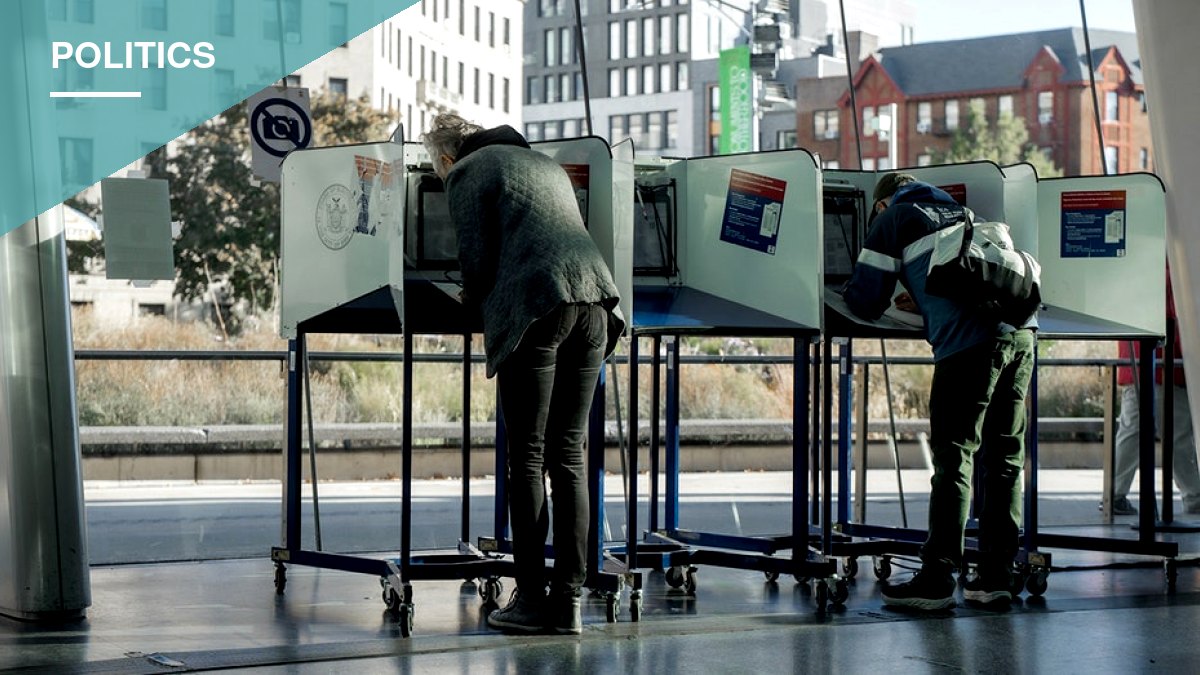
In September 2010, a 27-year-old candidate named Tyler August appeared to lose a six-way Republican primary for an open seat in the Wisconsin State Assembly. Election-night results showed him trailing opponent Adam Gibbs by four votes.
A recount reversed that outcome. The final tally: August 1,760, Gibbs 1,757 — a margin of three votes out of more than 7,300 cast.
August went on to win the general election that November. Sixteen years later, he serves as majority leader of the Wisconsin State Assembly, one of the most powerful positions in the state legislature.
The episode is being cited ahead of this year’s Nov. 3 elections as a reminder of how narrow some contests can be, and how much can hinge on them — every vote cast, bill introduced, and budget decision that has followed from August’s tenure traces back to that three-vote recount.
Close margins beyond Wisconsin
Wisconsin has repeatedly produced some of the tightest statewide results in the country. In the 2020 presidential election, more than 3.2 million Wisconsinites voted, and the race was decided by 20,682 votes. Only two states had narrower margins by percentage that year: Georgia, decided by 11,779 votes, and Arizona, decided by 10,457 votes.
In 2024, Wisconsin turnout topped 3.4 million, and the presidential contest there was decided by 29,397 votes — making it the closest state in the nation by percentage of ballots cast.
Those figures are small relative to the millions of votes cast statewide. The 2010 Assembly primary margin was smaller still: three votes.
What’s at stake locally
State and local governments set policy on taxes, regulation, housing, licensing, education, infrastructure and employment rules — decisions that affect how easily people can open a business, hire workers, build homes or expand farms. Who holds office, and who chooses them, determines how those rules get written.
With Election Day set for Nov. 3, voters are being encouraged to confirm their registration status and polling location ahead of time. Information on registration and voting procedures is available through state and local election offices.

